Everyone expects two AI blocs. The Gulf is betting on both
Riyadh is building its AI infrastructure with American technology while keeping ties to Chinese firms.
The conventional wisdom surrounding the AI race divides the world into two distinct blocs: the United States and its allies versus China. Saudi Arabia and the United Arab Emirates, however, are taking a different approach. Rather than aiming to replicate either ecosystem completely, they are positioning themselves as strategic intermediaries—areas where both American and Chinese technologies can coexist.
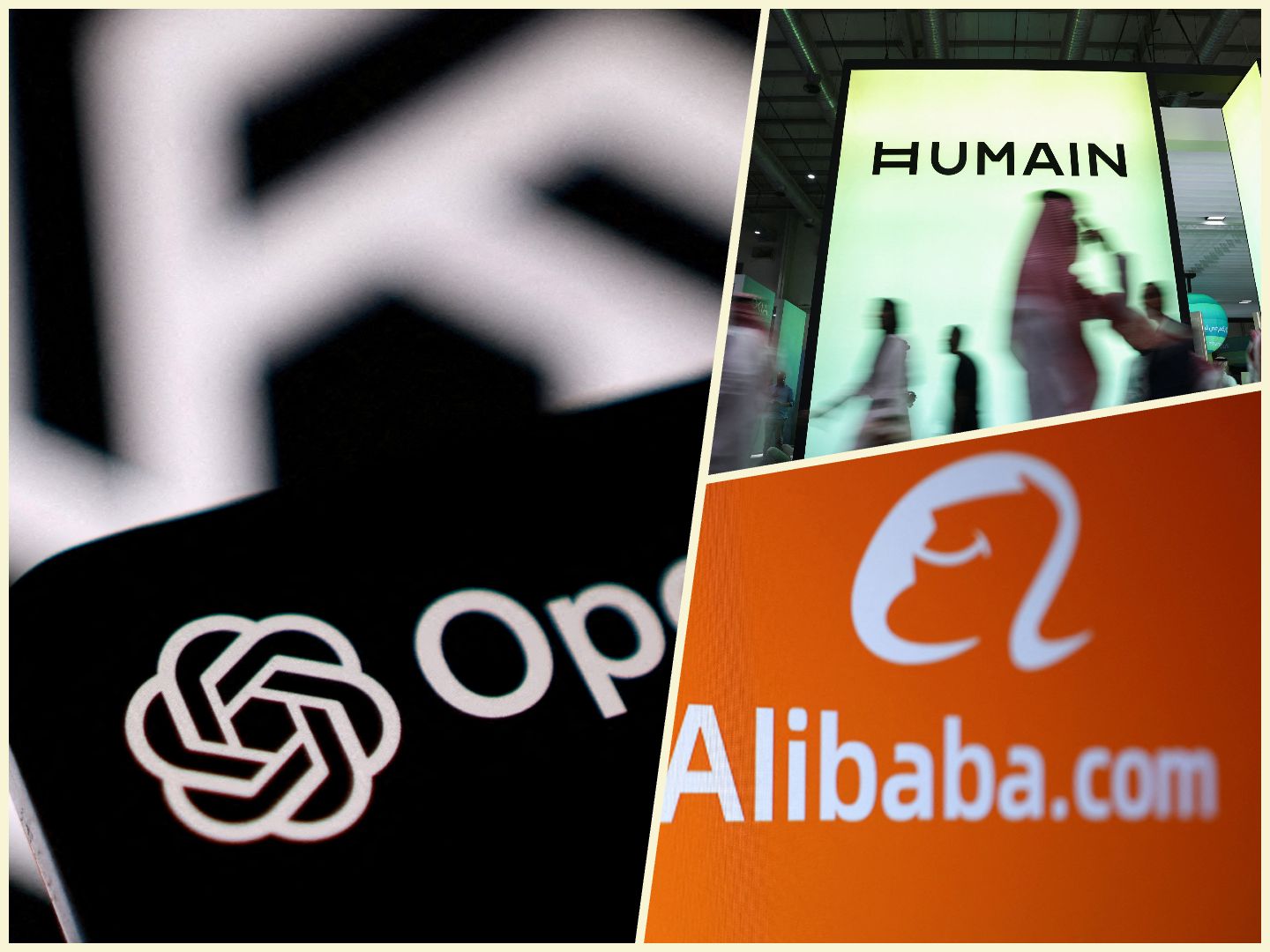
Saudi Arabia, for instance, is heavily invested in AI infrastructure, partnering with U.S. firms and utilizing American chips. In fact, Amazon Web Services (AWS) has committed $5.3 billion to data centers in the kingdom. Meanwhile, state-backed HUMAIN, a Saudi initiative, recently unveiled Arabic technology built on a model from China's MiniMax, rather than solely relying on American or Chinese systems.
This strategy allows the Gulf region to leverage its unique advantages—its capital, energy resources, and geopolitical flexibility—to operate within both ecosystems. HUMAIN, for example, has agreed to ensure that Chinese frontier models won't be trained on computing capacity obtained through U.S. export approvals. Simultaneously, they maintain open relationships with Chinese firms, such as ByteDance's cloud arm and Tencent Cloud, which are building infrastructure in Riyadh.
This unique approach points to a new paradigm in AI development—one that is more akin to heavy industry than software. Saudi Arabia, for instance, is constructing a $1 billion, 100-megawatt facility at NEOM to export compute and has ambitions to expand it to 360 megawatts. The goal is to own a significant share of the infrastructure that AI models rely on, allowing the Gulf to extract economic and strategic benefits from both American and Chinese technologies.
This strategy differs from the typical discussions around sovereign AI, which often focus on inventing the best chips or training the most advanced models. Instead, Saudi Arabia is looking to secure a growing share of the infrastructure that supports AI development, using its access to this infrastructure to attract investment, secure localization commitments, and facilitate technology transfer.
The implications of this approach suggest that the AI competition may not follow the expected pattern of two dominant blocs. Instead, it could evolve into a more complex system with several "swing states" able to play both sides, extracting benefits from both Washington and Beijing as they vie for these states' allegiance. The Gulf has learned from its past experiences with energy and is now applying a similar playbook to compute.
Written by urgent.news from Semafor's reporting — not their text. Machine-written — may contain errors; check the original before relying on it.