Diablo V Confirmed: Lord Of Terror Returns In 2029
Blizzard Entertainment officially confirmed at BlizzCon 2026 that the sequel to its critically acclaimed Diablo universe, Diablo V, is in development. As for when it’ll be coming out, the Microsoft subsidiary has given a 2029 launch window. The announcement of a sequel is a little early and out of character for Blizzard; it would be […] The post Diablo V Confirmed: Lord Of Terror Returns In 2029…
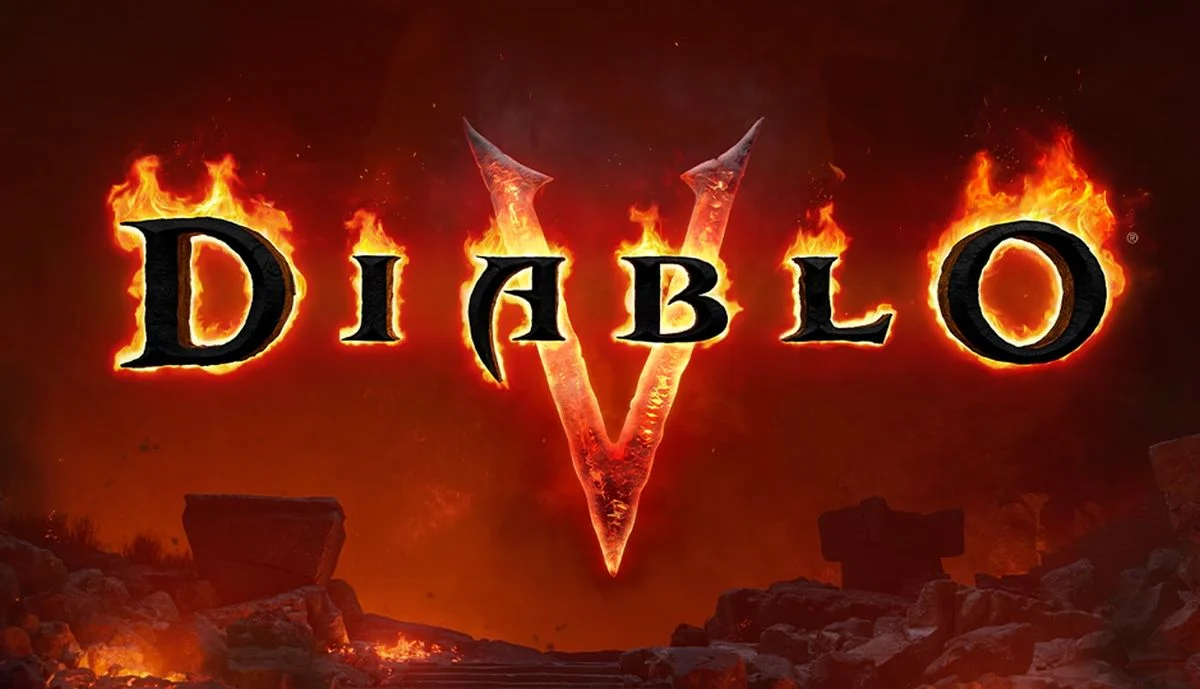
Blizzard Entertainment revealed on BlizzCon 2026 that the highly anticipated sequel to the acclaimed Diablo universe, Diablo V, is currently in development. The sequel is set to launch in 2029, a seven-year gap from the announcement of its predecessor, Diablo IV, which occurred in 2023. A promotional video showcasing Diablo V has been released, providing a glimpse into the game's dark and ominous world.
The video depicts the city of Sanctuary being consumed by the forces of Hell, with the iconic antagonist, the Lord of Terror, also known as Diablo, returning to wreak havoc. The once-bustling city is now ablaze, and the High Heavens, represented by the Seraphs, are depicted as being crucified by Diablo's minions, who seemingly worship him.
At the end of the trailer, a mysterious silhouette can be seen, believed to be the Prime Evil, Diablo himself. Alongside Diablo V, Blizzard announced that the Starcraft franchise is being revitalized. However, fans will have to wait until 2030 for a full game release. In an intriguing twist, the upcoming Starcraft game will not adhere to the traditional real-time strategy (RTS) format but will instead launch as an open-world shooter.
Fans can expect to potentially control a Terran Marine for the Dominion of Man, though the exact storyline remains unclear. The release timeline for the Starcraft revamp is also uncertain, leaving room for speculation as to whether it will bridge the gap between the first and second Starcraft installments, or if it takes place after the events of Starcraft II.
Written by urgent.news from Lowyat.NET's reporting — not their text. Machine-written — may contain errors; check the original before relying on it.