Brics ends on high note, but old rivalries linger beneath the surface
NEW DELHI, Sept 13 — Brics leaders including China, Russia and India entered a second day of talks in New Delhi on...
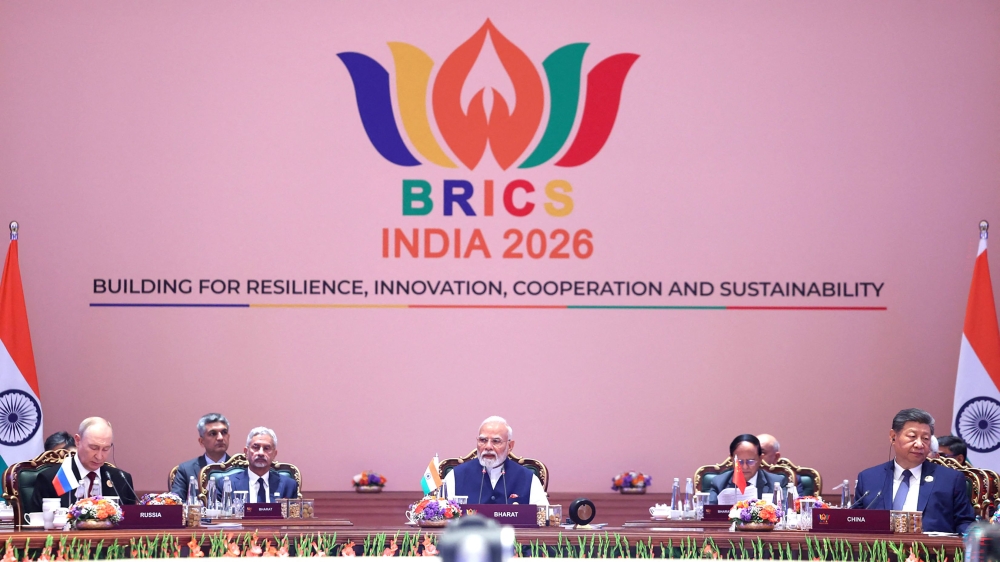
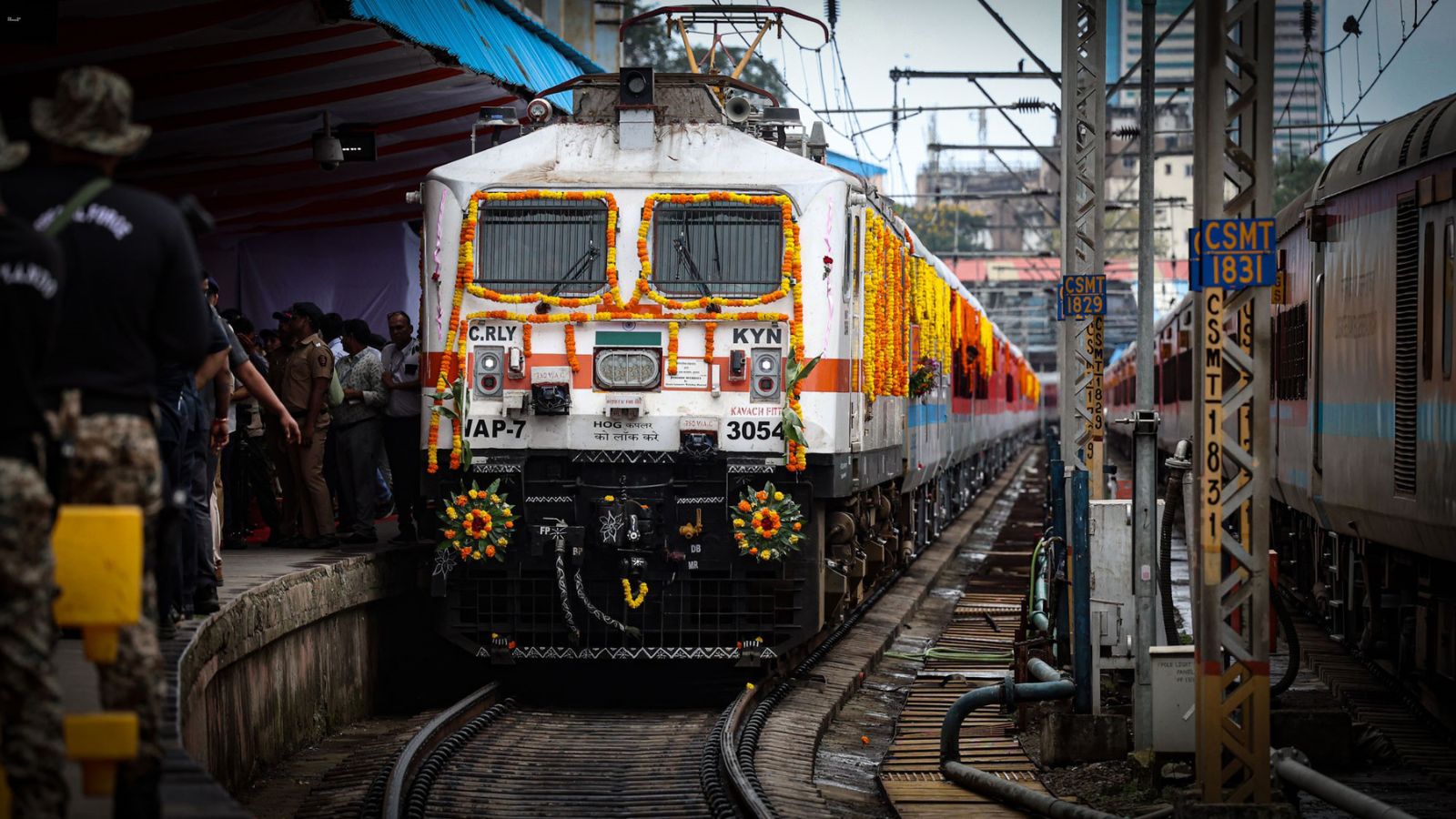
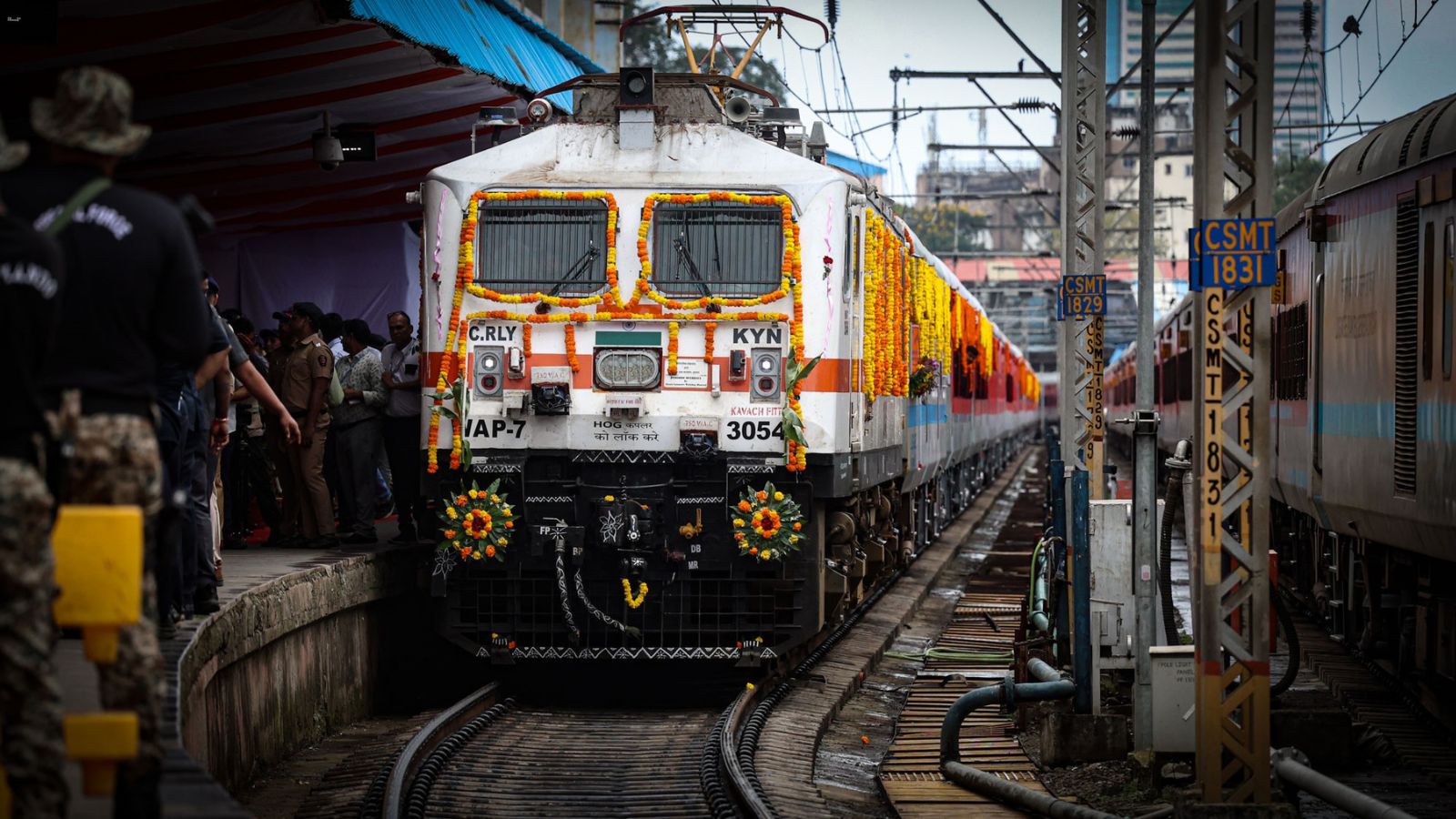
On September 13, the fifth BRICS summit concluded in New Delhi with leaders from China, Russia, India, Iran, and South Africa committing to "inclusive global growth" and expressing concern over Middle East tensions. While expressing a desire for cooperation, the summit also highlighted the lingering old rivalries among the member states.
Indian Prime Minister Narendra Modi emphasized the importance of cooperation within the BRICS bloc, stating that the group represents "50 per cent of the world’s population, 40 per cent of global GDP and more than 25 per cent of global trade." He highlighted the power of BRICS' diversity and urged leaders to work together for humanity's benefit.
The summit was initially overshadowed by the conflict in the Middle East, where Iran, Saudi Arabia, and the UAE struggled to reach consensus on a joint statement. However, after intense diplomatic efforts by host India, a statement was issued, calling for "maximum restraint" in the region. Indian President Narendra Modi, who maintains cordial relations with both Iran and US ally Israel, navigated India's complex ties with Washington by turning to Russia for energy security amid the US-Iran war.
Chinese President Xi Jinping's participation in the BRICS summit marked his first visit to India since 2019, and represented a significant step in the cautious thaw between the nuclear-armed rivals. Both countries have been gradually improving their ties through restored flights, visas, and high-level contacts, although a territorial dispute along their 3,500-kilometer border remains unresolved.
Despite the progress made in addressing global challenges, deep mistrust and strategic rivalry persist between the BRICS members. India's foreign ministry stated that the leaders expressed a commitment to a fair, reasonable, and mutually acceptable resolution of the boundary question with China. Protests by Tibetan exiles in New Delhi, including the Dalai Lama, also underscored the underlying tensions in BRICS relations.
Written by urgent.news from Malay Mail's reporting — not their text. Machine-written — may contain errors; check the original before relying on it.