Australia's 'incognito' nuclear reactor marks 20 years of innovation
Australia's only nuclear reactor is celebrating 20 years of producing vital ingredients for lifesaving medicine, critical electronic products and groundbreaking research.
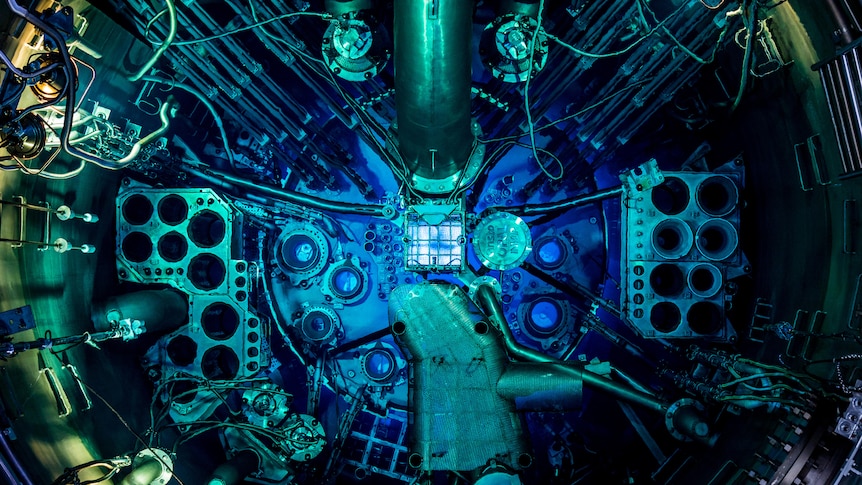
Australia's sole nuclear reactor, OPAL, is celebrating its 20th year of operation at the Australian Nuclear Science and Technology Organisation (ANSTO) on the outskirts of Sydney. This reactor plays a crucial role in producing nuclear medicine and irradiating silicon used in various electronic projects. OPAL is also instrumental in researching advanced battery and electricity technologies, with significant implications for daily life.
Located within dense bushland and barbed wire, OPAL is a central hub for ANSTO's operations. The reactor is the only one of its kind in the country and is utilized daily to produce medical isotopes and conduct scientific experiments. ANSTO CEO Shaun Jenkinson recounted a heartwarming story of a stranger expressing gratitude for preserving the life of a father's patient after learning about OPAL's impact on nuclear medicine.
The reactor has facilitated over tens of millions of nuclear medicine doses, aiding in the diagnosis, staging, and treatment of various diseases, primarily cancer.
What sets ANSTO apart is its unique ability to produce nuclear medicine, process irradiated silicon, and deliver the finished products to hospitals—capabilities found in only five or six reactors globally. Additionally, ANSTO serves more than half of the global market for high-grade irradiated silicon, which is indispensable for high-voltage power systems such as electric trains and power grids.
The reactor's processes involve treating silicon crystals with phosphorus, converting them into components that find their way into everyday devices, from power grids to train systems. Jenkinson emphasized the reactor's role in sustaining essential medical products that significantly impact Australians' lives without them even realizing it.
Adjacent to OPAL is the Australian Centre for Neutron Scattering, where neutrons from the reactor are harnessed to study materials and liquids that conventional methods cannot access. This partnership has led to valuable insights into battery technology, revealing how lithium-ion batteries degrade when overcharged. Scientists at ANSTO collaborate with tech companies and government organizations to enhance battery lifespan, offering practical advice to prevent premature battery failure.
Written by urgent.news from ABC News AU's reporting — not their text. Machine-written — may contain errors; check the original before relying on it.