Sobhita Dhulipala Rewrites Handloom For The Modern Wardrobe
From saris to stoles to couture gowns styled with instinctive ease, Sobhita Dhulipala approaches handloom as a fluid language rather than a fixed tradition. Simply put by the actor, what we wear is often the clearest expression of who we are. In her case, that expression is increasingly shaped by her role as the brand ambassador of Aadyam Handwoven. Once reserved for special occasions, handloom…
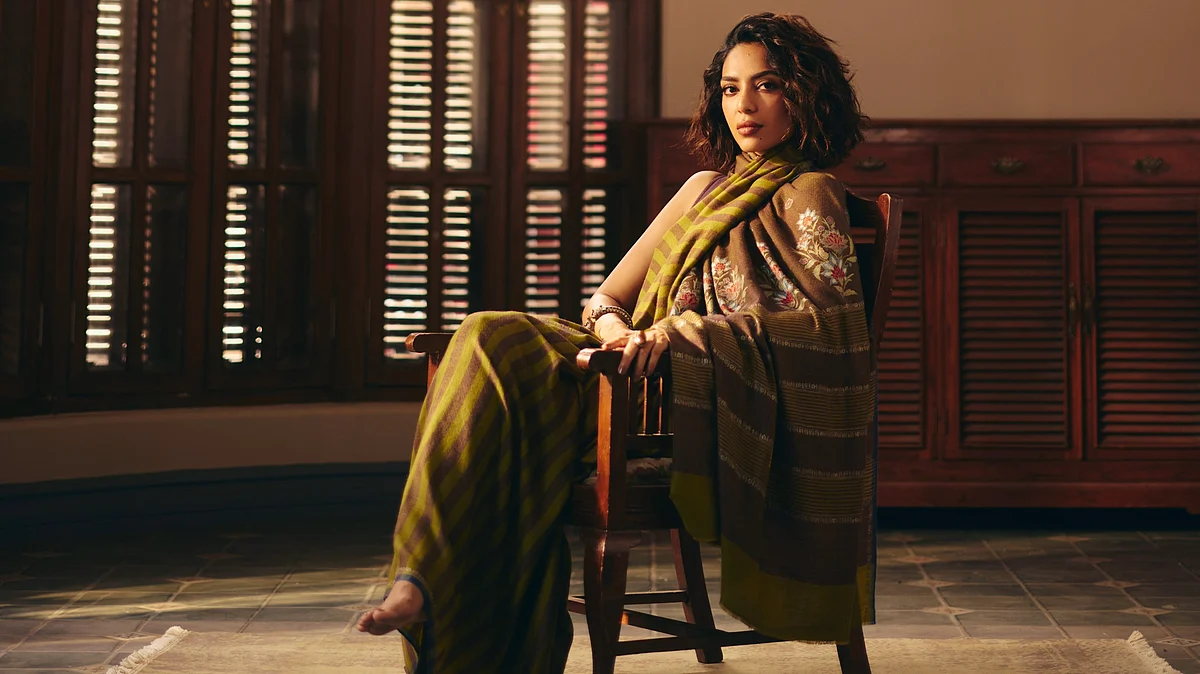
Sobhita Dhulipala is redefining handloom for today's wardrobes, viewing it as a fluid language of self-expression. The actress explains that handloom is not just a trend or conscious style statement, but a gradual process of self-discovery rooted in one's culture, influences, and experiences. Dhulipala's journey began with a simple question: in a world of greys and beiges, how can you stand out? The answer, she found, lies in the intangible aspects of one's identity, such as family, community, and personal stories.
Dhulipala is not an authority or collector of handloom, but rather, she is exploring the craft with curiosity and an open mind. Her relationship with handloom is one of learning and building a network of like-minded individuals who share her appreciation for the beauty and meaning in craft. This openness is reflected in her signature style, which seamlessly blends East and West, creating a unique, instinctive fusion that sets her apart.
The actress acknowledges that traditional handloom garments, like a full sari, have their place, but she prefers to mix and reinterpret them for everyday wear. She describes her wardrobe as a "walking museum," constantly evolving and drawing inspiration from various sources. This fluidity stems from her lack of a rigid template, allowing her to integrate the best of both traditional and modern fashion sensibilities.
Dhulipala's perspective on handloom also mirrors a broader cultural shift. Younger audiences are becoming more aware of the cultural, ethical, and political dimensions of handloom, recognizing its value as both an aesthetic and meaningful choice. She believes that handloom is more than just an embellishment; it is an integral part of contemporary culture and fashion.
For those new to handloom, Dhulipala recommends starting with a single piece, such as a stole or top, that can be easily styled in various ways. By incorporating handloom into their wardrobe, she encourages people to embrace the craft as part of their personality and allow it to become a lived-in expression of their individuality. This playful approach not only makes handloom more accessible but also fosters a deeper connection to the craft and its cultural significance.
Written by urgent.news from Free Press Journal's reporting — not their text. Machine-written — may contain errors; check the original before relying on it.