NEC drops its quantum computing work, marking an end to nearly 30 years of development
NEC is reportedly ending quantum hardware development after decades of research, while Fujitsu gains researchers and continues pursuing increasingly larger systems.
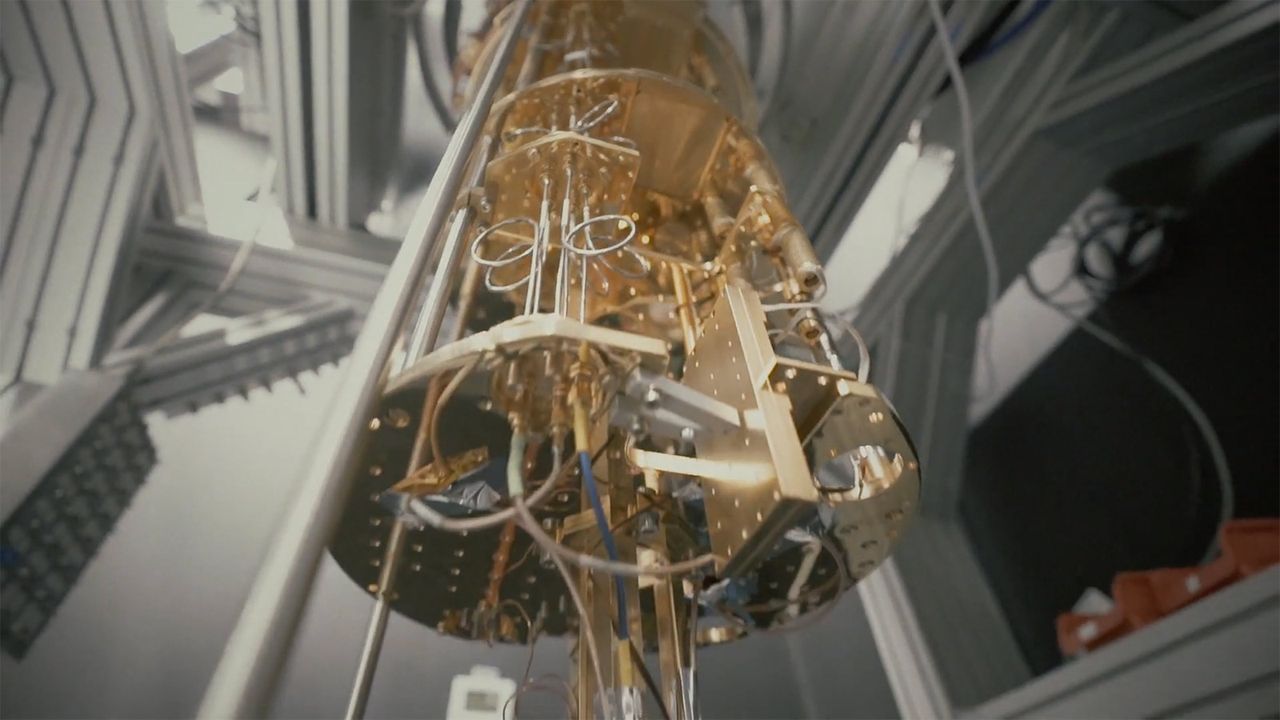
NEC has reportedly halted its quantum computing research after nearly three decades of development, marking a significant end to a legacy built on semiconductor dominance. The Japanese technology giant, once a global leader in chip sales, ceased building physical quantum computers in 2022, shifting focus toward quantum applications instead.
Several NEC quantum researchers, including a senior figure, relocated to rival firm Fujitsu, continuing their quantum work. NEC's quantum journey began with a 1999 breakthrough in superconducting qubits, a milestone still referenced in the field. This achievement, rooted in NEC's expertise in solid-state device engineering and manufacturing, laid the groundwork for subsequent advancements by companies like Google and IBM.
Unlike the persistent commitment to quantum hardware seen in firms such as IBM, NEC's exit is relatively rare among original corporate pioneers of quantum computing. The company's shift away from quantum hardware unfolded gradually over a decade, concluding with the spin-off of its remaining chip units into a new entity, Renesas Electronics, in 2002.
Today, NEC primarily focuses on IT services, enterprise systems, aerospace, defense, telecom infrastructure, AI, and security. While NEC has not formally labeled its departure as a complete withdrawal from quantum computing, the company acknowledges the ongoing need to evaluate real-world applications and commercialization pathways for quantum technology.
Given the high costs and extended timelines associated with quantum hardware development, even firms with deep expertise are increasingly viewing quantum hardware as commercially unfeasible in the short term. Fujitsu, collaborating with research partner Riken, has already launched a 256-qubit quantum computer and aims to develop systems with over 1,000 qubits by 2026, setting a long-term goal of machines with more than 10,000 superconducting qubits by fiscal 2030.
NEC's departure underscores the challenging commercial landscape for quantum computing hardware, even for firms with decades of foundational experience in the field.
Written by urgent.news from TechRadar's reporting — not their text. Machine-written — may contain errors; check the original before relying on it.