Millions dropped from SNAP food assistance as funding faces September uncertainty
SNAP funding could face a major shake-up at the end of September unless Congress passes a resolution to delay major changes included in the GOP’s One Big Beautiful Bill.
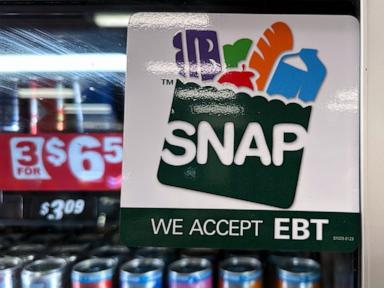
The Supplemental Nutrition Assistance Program (SNAP) funding is facing uncertainty as the current GOP-backed budget bill, H.R. 1, could cause significant changes starting in September. Currently, states cover 25% of the program's administrative costs, but under the new legislation, this burden will shift to 75% from the federal government to states starting October 1. States will also bear a portion of the benefit costs tied to their error rate, ranging from 5% to 15%.
Since H.R. 1 became law, roughly 5 million Americans have lost access to SNAP, including over 1.5 million children. This sharp decline is attributed to changes in work requirements, more stringent application processes, and a major cost shift from federal to state funding. Since the changes began in Arizona, for example, over 400,000 SNAP recipients lost access, causing food banks to step in and provide an equivalent number of meals.
Experts warn that the future of SNAP remains uncertain due to the looming cost shift. The White House has not commented on the impact of the new work requirements. As states grapple with implementing these changes, food assistance leaders urge Congress to delay the implementation of the cost shift to give states time to prepare.
Written by urgent.news from ABC News (US)'s reporting — not their text. Machine-written — may contain errors; check the original before relying on it.