Looking at the Future of Tech in Healthcare
67% of healthcare facilities hit by ransomware in 2024, nurses stretched to 11 patients a day: automated tube delivery cuts hand-to-hand contact.
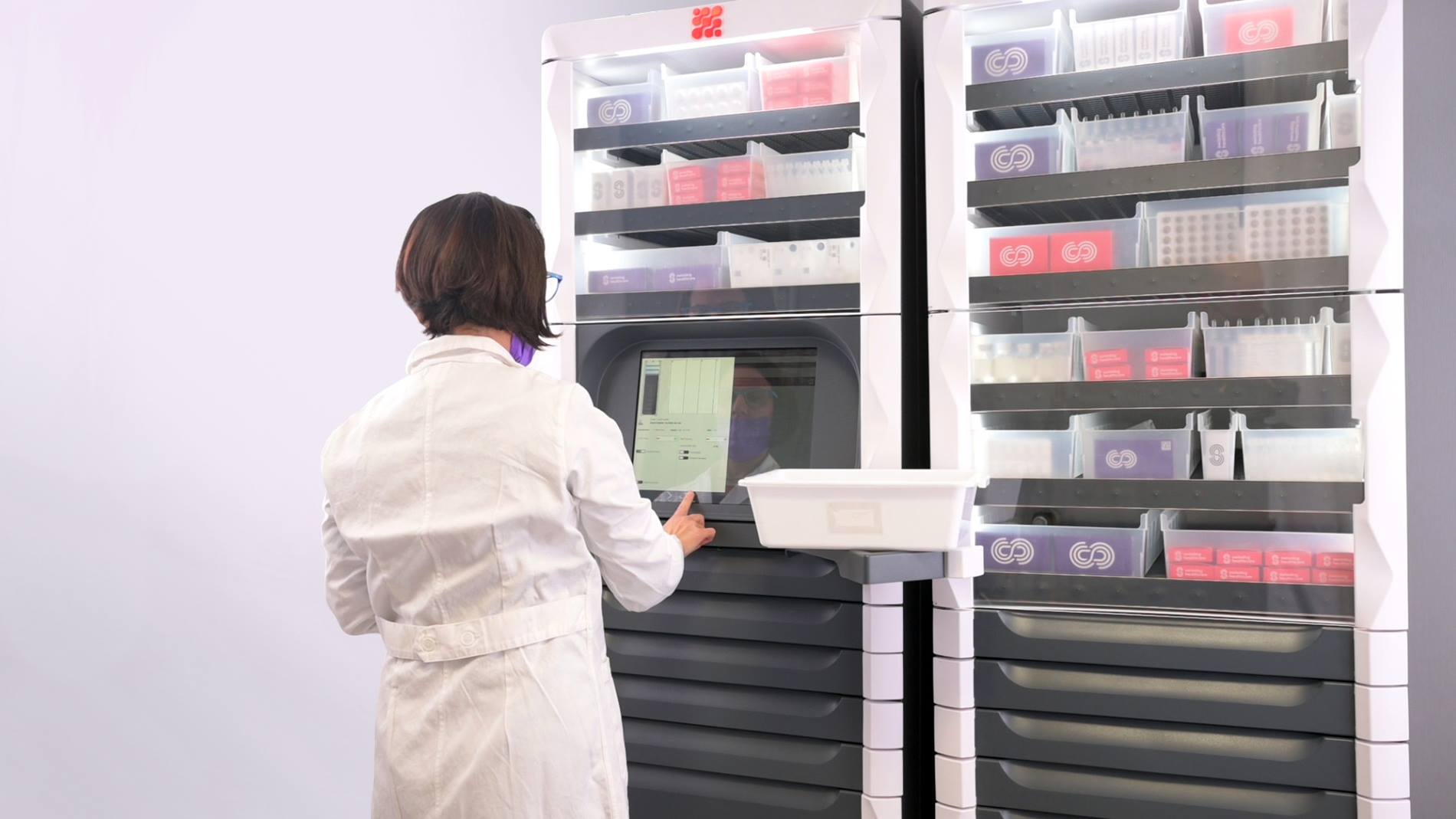
In the ever-evolving landscape of healthcare technology, hospitals around the globe adhere to a myriad of rules and regulations. Norway, for instance, mandates that blood reaches wards within a mere 15 minutes. The NIS2 Directive, a European Union law, underscores the importance of high-level cybersecurity across all member states.
Country-specific narcotic laws and national regulations also play significant roles in controlling the trade and possession of psychoactive and addictive substances. Reform initiatives, such as INVIMA in Colombia and the Dubai law No. 5 of 2025, further demonstrate the global commitment to advancing healthcare infrastructure.
The demands on hospital staff are immense, with staff often working around the clock due to labor shortages and increased workloads. This, coupled with the looming nurse deficit, poses a considerable challenge. By 2023, a shortage of nurses is projected worldwide. For example, Greece, Germany, Ireland, and the Netherlands have fewer than 1,500 nurses per 100,000 inhabitants, falling short of the recommended 20,000 per 100,000.
Even the optimal nurse-to-patient ratio of 1:5, as suggested by National Nurses United, is often unattainable, with nurses sometimes managing up to 11 patients per day.
Nursing staff shortages may be attributed to the aging population, with projections indicating that by the next few years, one in six people globally will be 60 years of age or older. Moreover, nearly 57.2% of healthcare workers feel their wages are not fair, and over 70% experience stress and physical strain on the job. To address these challenges, hospitals must build an infrastructure that assists nurses and enables them to treat patients significantly faster.
Pneumatic tube systems offer a promising solution, enhancing efficiency by delivering important goods throughout the hospital ten times faster than human delivery methods.
These systems function like a subway network, delivering lab samples, patient records, and cancer medication swiftly. By swiping their badge, clinical staff can access the mainframe, and RFID tracking technology allows for the monitoring of each carrier, ensuring efficient routing. Maintenance issues can be swiftly addressed with remote monitoring alerts.
With the capability to handle over 10,000 drug transactions daily, pneumatic tube systems also incorporate robust cybersecurity measures, safeguarding documents in transit. A 2024 survey revealed that 67% of healthcare facilities worldwide were affected by ransomware, highlighting the urgent need for secure systems.
In China, cyberattacks rose by 6% in 2025 compared to the previous year, with the American Hospital Dubai suffering a data breach that exposed 450 million Protected Health Information (PHI) records. To combat the spread of germs, modern hospitals must update their software and infrastructure. Installing a pneumatic tube system can reduce the need for hand-to-hand contact among clinical staff, thereby helping to minimize germ transmission.
High-touch surfaces in facilities harbor various types of bacteria, including 18 pathogens such as Enterococcus and Streptococcus. Over 80% of illnesses can be transmitted through hand contact; however, the tube system can transport 90% of materials via carrier, benefiting both clinical staff and patients.
Written by urgent.news from HackerNoon's reporting — not their text. Machine-written — may contain errors; check the original before relying on it.