IPPs’ contractual arrangements partly to blame for energy sector problems – TUC’s Dr Otoo
Deputy Secretary General of the Trades Union Congress (TUC), Dr Kwabena Nyarko Otoo, has attributed part of Ghana’s persistent energy-sector challenges to the contractual arrangements with Independent Power Producers (IPPs).
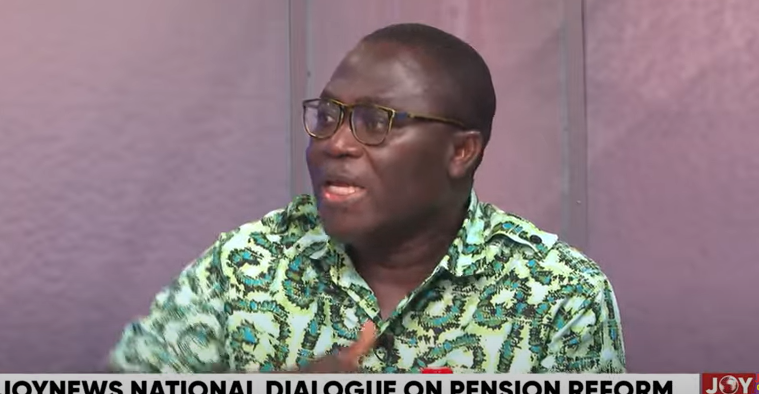
Dr Kwabena Nyarko Otoo, Deputy Secretary General of the Trades Union Congress (TUC), has pointed out that the contractual agreements with Independent Power Producers (IPPs) contribute to Ghana's ongoing energy sector problems. During an interview on JoyNews’ Newsfile, Dr Otoo raised questions about the government's reliance on an assessment of the Electricity Company of Ghana (ECG) conducted by the International Monetary Fund (IMF).
This stance is particularly contentious as organized labor is opposed to proposals for private-sector participation in the ECG. Dr Otoo expressed his disbelief at the government's request to the IMF to assess the ECG, arguing that the IMF has consistently advocated for reforms that involve greater private-sector participation in state-owned entities.
He emphasized that the perspectives of ECG workers and organized labor, who have firsthand experience of the operational challenges facing the company, should be considered in any assessment of the ECG. Dr Otoo pointed out that the IMF did not consult the workers of the ECG or the TUC during its assessment of the company. He contended that discussions about the challenges facing Ghana's energy sector must go beyond ECG and examine the contractual framework governing power generation.
According to Dr Otoo, the structure of agreements with IPPs is one of the factors that contribute to the financial challenges in the energy sector. The TUC and other organized labor groups have been vocal in their opposition to privatization, while the government argues that reforms are necessary to address the persistent inefficiencies and financial losses in the energy sector.
Dr Otoo stressed that any assessment of the ECG and proposed reforms should take into account the viewpoints of workers and organized labor, along with the broader contractual and financial arrangements that have shaped Ghana's energy sector. He maintained that concentrating solely on the ECG risks overlooking other structural factors that are contributing to the sector's difficulties, particularly the agreements with IPPs that have created significant financial obligations for the state.
Written by urgent.news from MyJoyOnline Ghana's reporting — not their text. Machine-written — may contain errors; check the original before relying on it.