Giant 2.7-Meter Predator Identified From Fossil Abandoned in Arctic for Decades
A fossil left on a remote Arctic island in 1948 has revealed Arctobatrachus urdensis, a previously unknown Triassic predator. Researchers estimate that it reached about 2.7 meters (8.9 feet), making it the largest known plagiosaurid. The findings were published in Papers in Palaeontology, a peer-reviewed journal focused on paleontology and the study of ancient life. […]
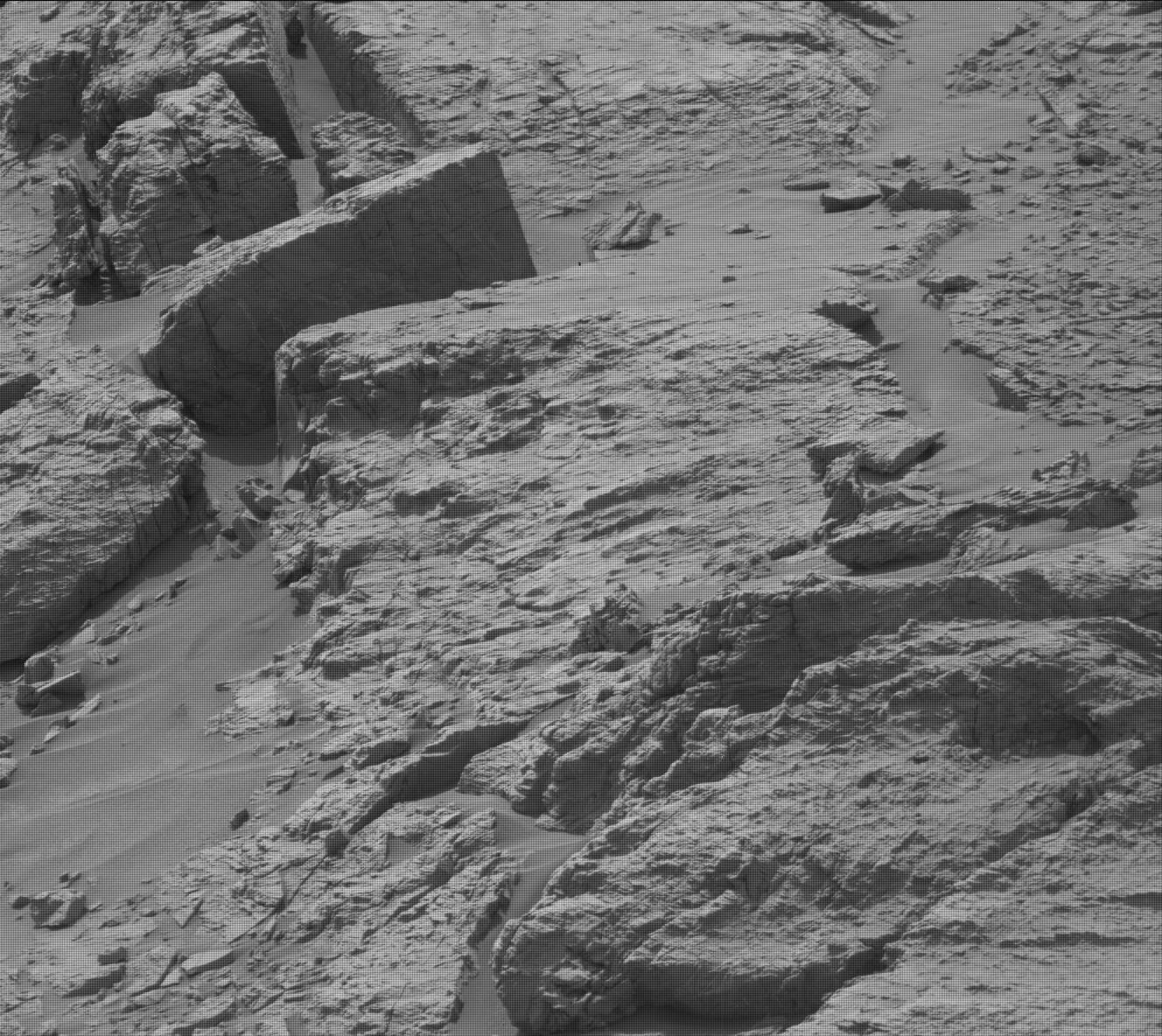
In 1948, a British expedition discovered a large fossil on the remote Arctic island of Bjørnøya, or Bear Island, in Norway’s Svalbard archipelago. However, the heavy weathering of the specimen made it impossible to transport, so the researchers documented its remains in photos before leaving it exposed to the elements. Decades later, in 1984, a Norwegian field party rediscovered the fossil, which remained largely unchanged.
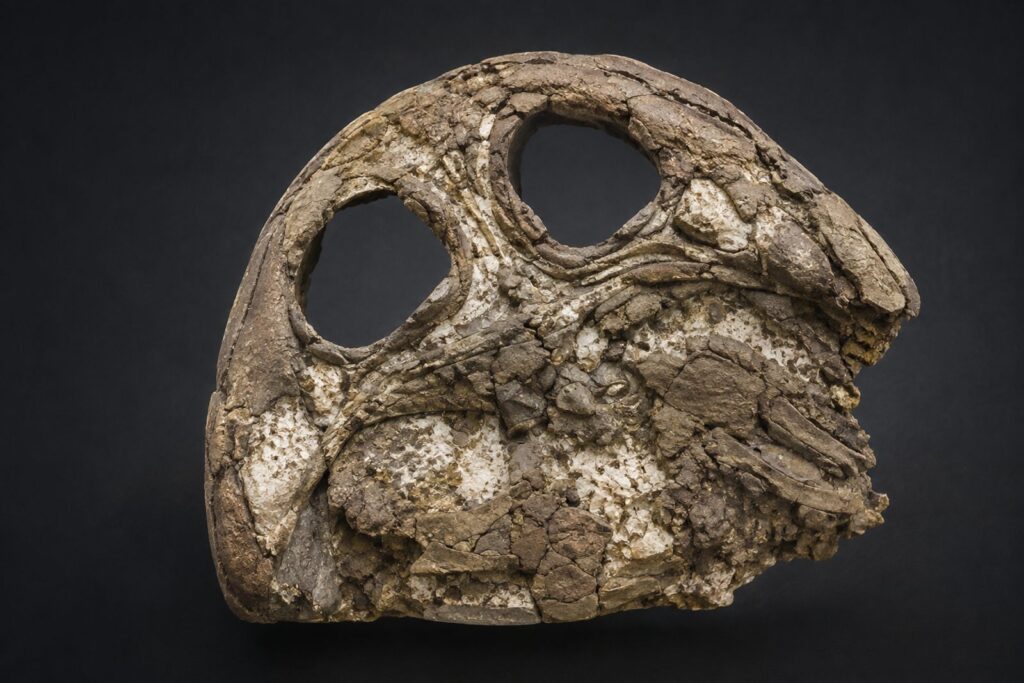
The researchers could then photograph the remaining parts and compare them with the surviving bones to reconstruct a significant portion of the animal. The fossil belonged to a new species, Arctobatrachus urdensis, a previously unknown Triassic predator. Estimated to be about 2.7 meters long, it represents the largest known plagiosaurid, the extinct group of aquatic temnospondyls that lived during the Triassic period.
The species' unusual, almost semicircular skull roof and large mouth with sharp teeth indicate that it was a predatory animal that could hunt its prey. Its estimated size makes it a significant find, as it far exceeds the length of other known plagiosaurids. The discovery provides insights into the evolution of the plagiosaurid lineage and the environmental conditions of the Barents Sea during the Triassic period, a time following the end-Permian mass extinction when Earth's climate was much warmer.
Written by urgent.news from Colombia One's reporting — not their text. Machine-written — may contain errors; check the original before relying on it.