EU-Parlament öffnet sich für härtere China-Politik
Pascal Canfin, der Berichterstatter des Europäischen Parlaments für den Handel mit China, sieht auch bei Friedrich Merz einen Sinneswandel.
Brussels – An increasingly bipartisan consensus is emerging in the European Parliament on the need for a stricter EU policy towards China, reported Pascal Canfin, a European Parliament representative for trade relations with China and rapporteur for the European Parliament on EU-China trade issues. Canfin, a French liberal, expressed strong concern over the threat posed by Beijing's soaring exports, stating, "The overarching goal of Chinese policy is to assume leadership in the new global order based on its own power, values, and the dictatorship of the Communist Party."
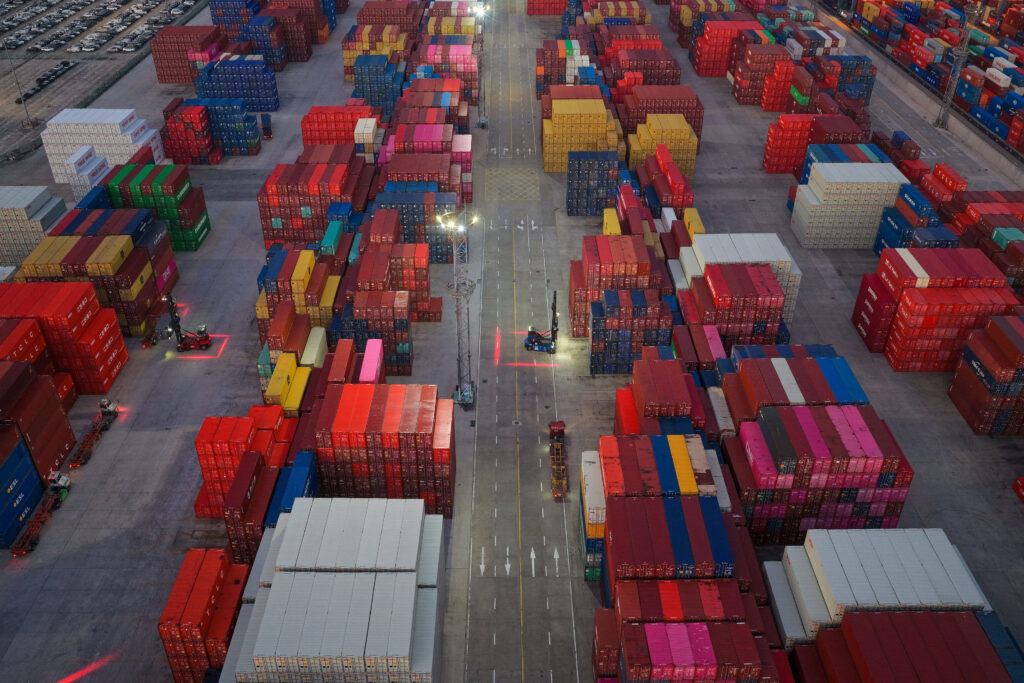
Current negotiations between Brussels and Beijing focus on balancing the EU's €1 billion daily trade deficit with China. An increase in Chinese exports has put pressure on domestic manufacturers and heightened fears of a deindustrialization trend across Europe, particularly in the auto and chemical industries. EU Trade Commissioner Maroš Šefčovič is set to visit China in October, with the Union prepared to take action if no progress is made by that time.
The Commission is considering measures to counter China's industrial dominance, including new rules to encourage companies to diversify their critical supply chains and protective measures to limit imports of essential goods like hybrid electric vehicles. In a joint European Parliament foreign affairs committee statement on Thursday, the Foreign Affairs Committee called for curbing Chinese exports and reducing Europe's over-reliance on raw materials, including semiconductors, and urged the EU to take action to curb "the instrumentalization of EU economic dependence."
Canfin emphasized that "business as usual" is no longer an option among EU lawmakers, citing growing support for a more proactive industrial policy. Members are currently working on their position on the proposed "Industrial Accelerator Act," which aims to establish a European preference in strategic industries under environmentally oriented public procurement.
The bill's leading lawmakers seek a closely connected "Made in Europe" club and stricter scrutiny of foreign direct investments, viewed as a response to China and an attempt to strengthen the continent's industrial base. While political parties may differ on the China issue, a more robust consensus is emerging, supported by even the far left and far right.
Canfin stated that while the matter is not yet decided, he believes the Parliament can win this fight. However, he warned that national governments, rather than the Parliament, are more likely to adopt a cautious approach, as national governments, such as Germany's, seek to water down provisions in the "Industrial Accelerator Act" by opening product-by-product trade options for countries with free trade or procurement agreements with the EU.
Germany, the largest economy in the Union, is increasingly inclined towards a tougher stance, buoyed by support from the middle class, primarily made up of small and medium-sized enterprises, while large corporations continue to invest in China. Canfin noted that Germany has historically favored closer trade relations with China, but that could be questioned now.
The extent to which Berlin's new push for more aggressive trade measures and protection of European industry will be taken seriously depends on Chancellor Friedrich Merz's coalition stability. Merz faces pressure following the recent surge of the far-right Alternative for Germany party in the eastern German state of Sachsen-Anhalt.
As Merz's power diminishes, China's priority on Berlin's list may shift downwards, according to Jörg Wuttke, a long-time China expert who advised Merz before his first visit to Beijing in February. The more pressing question is how seriously Merz's recent calls for more decisive trade measures and protection of European industry should be taken.
During a July press conference with French President Emmanuel Macron, Merz stated that China's trade surplus costs Europe jobs and declared he was "not ready to accept the status quo." Successive governments have taken a cautious approach towards China to avoid retaliatory measures against German companies operating there. Merz's strong words, according to Wuttke, were aimed at a domestic audience ahead of the Sachsen-Anhalt state election.
Written by urgent.news from Politico EU's reporting — not their text. Machine-written — may contain errors; check the original before relying on it.