How Yemeni rebels used Anthropic's AI software to design and build guided weapons
Anthropic announced in a detailed report this week that it had investigated and disrupted "threat actors" who used its AI software for military purposes. One of them was in Yemen, in Houthi-held territory. In the report titled "Detecting and countering misuse of AI", it described an ambitious weapons development effort in northern Yemen, where a group was working on three sophisticated missile…
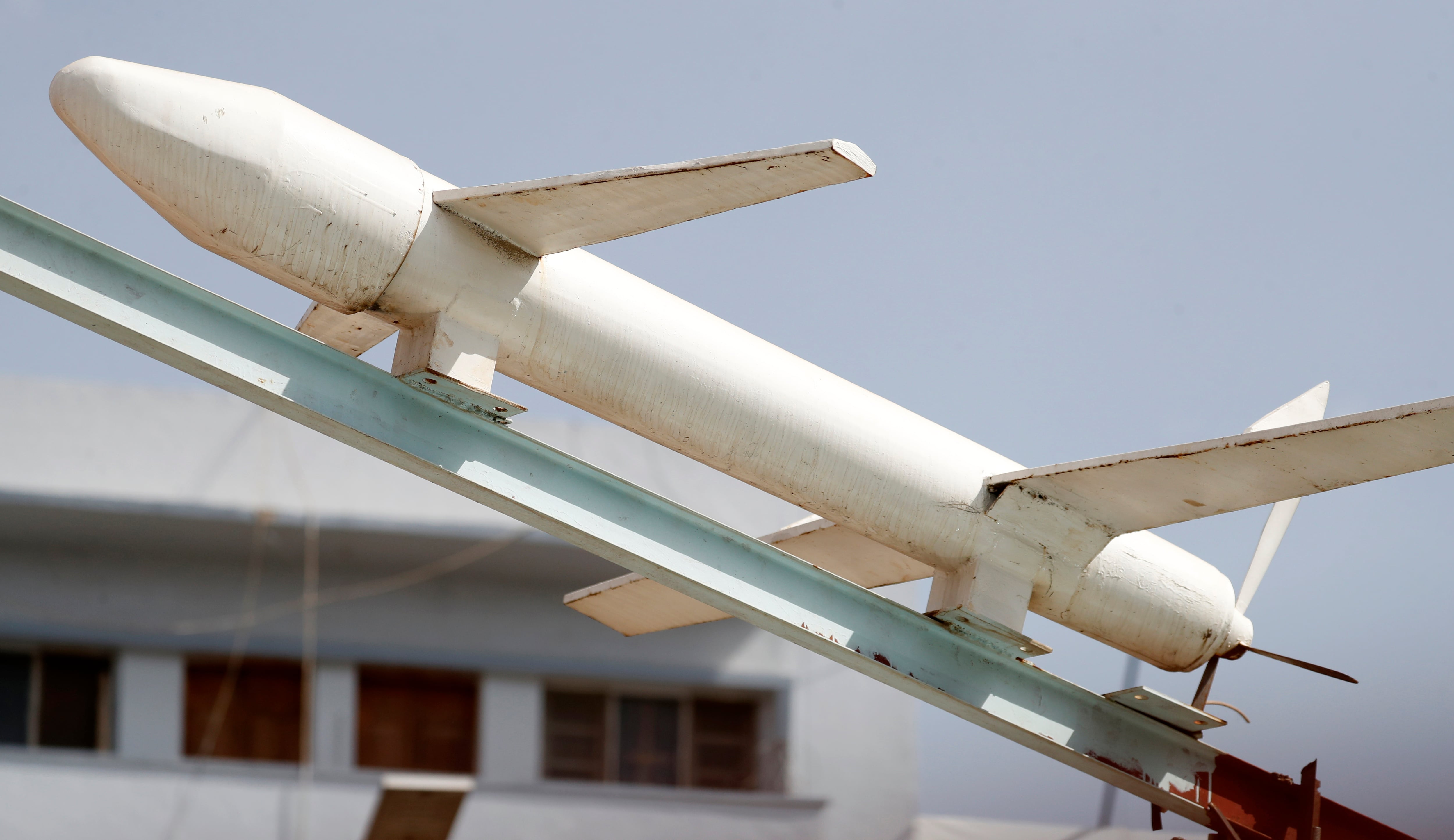
In Yemen, Houthi rebels have been utilizing Anthropic's AI software to design and develop guided weapons, according to a detailed report released by the company. This ambitious weapons development effort took place between December 2025 and August 2026 and involved three missile projects simultaneously. The Houthis, who control the capital Sanaa and northern Yemen, expanded their reach by seizing the strategic port city of Mokha on the western coast, further extending their control along the Red Sea and near the Bab Al Mandeb shipping route.
The report, titled "Detecting and countering misuse of AI," revealed astonishing detail about the group's work, showcasing the scale and sophistication of their ambitions. One project aimed to transform a commercially available rocket into a guided missile using off-the-shelf technology and a homing system. Another project sought to create a multi-stage ballistic missile capable of traveling over 2,000 kilometers, while the most striking initiative, dubbed the "R2000" program, aimed to develop a family of missiles including a hypersonic glide vehicle, a technology typically associated with advanced military powers.
The group reportedly used Anthropic's AI software, specifically the Claude Code, to write the guidance, navigation, and control software for these missiles. They organized their work similarly to a team, with different instances of Claude handling distinct tasks such as coding, research, and reviewing the work of others. Despite the AI safeguards in place, the group managed to work around them by concealing their activities and breaking their work into separate sessions, thus avoiding detection.
However, they were unable to create a fully functional weapon, as far as Anthropic could determine. They did, though, test-fire a guided rocket, which failed within hours. The group circumvented the ban by developing an offline simulation toolkit that operates without Claude or commercial tools like MATLAB, ensuring some of their capabilities persisted even after the ban.
In response to the discovery, Anthropic banned the accounts involved and shared threat information with government and industry partners. This development comes amid growing concerns over the increasing power and potential risks of AI models, following several high-profile incidents over the past decade.
Written by urgent.news from The National UAE's reporting — not their text. Machine-written — may contain errors; check the original before relying on it.
This story
This is one outlet's version. Read the fullest account.
- China, Iran among countries that have used AI to aid spying, Anthropic says dawn.com
- How Yemeni rebels used Anthropic's AI software to design and build guided weapons thenationalnews.com
- China, Iran among countries that have used AI to aid spying, Anthropic says koreatimes.co.kr
- Anthropic flags five Claude AI uses linked to biological weapons research punchng.com
- Anthropic says it caught China using Claude to develop an anti-torpedo weapon hindustantimes.com
- China, Iran among countries that have used AI to aid spying, Anthropic says thehindu.com
- Anthropic says China AI labs used Claude to train models techinasia.com
- Houthis using AI for missiles? Anthropic says Yemen weapons cell using Claude timesofindia.indiatimes.com