How El Niño Will Impact Fall and Winter Weather in the U.S.
Experts explain how a super El Niño will impact extreme weather.
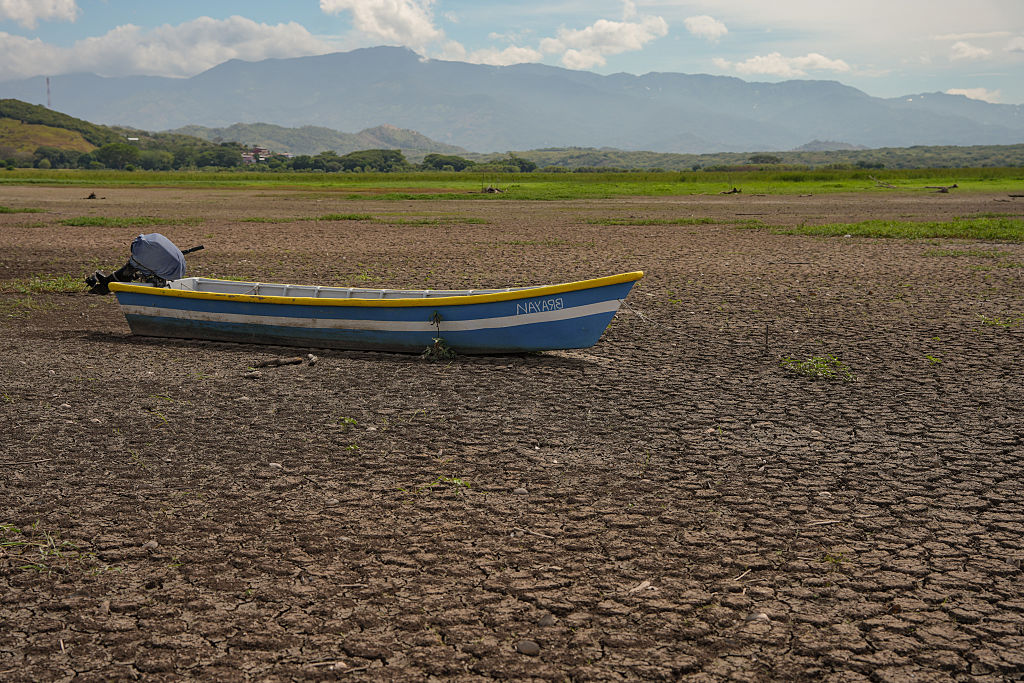
As fall transitions into winter, climate experts are cautioning that a powerful El Niño event, dubbed "super El Niño," could significantly influence weather patterns across the globe. El Niño and its counterpart, La Niña, are naturally occurring climate patterns in the Pacific Ocean, with El Niño years typically featuring warmer-than-average waters, while La Niña years are marked by cooler waters.
The warmer ocean conditions associated with El Niño are expected to bring about stormier weather in some regions and drought conditions in others. As Risper Nyairo, an assistant professor at Davidson College, explains, the increased evaporation from the warmer Pacific waters will lead to more moisture in the atmosphere, which could result in heavier rainfall in certain areas, while simultaneously exacerbating drought conditions over dry land.
The 2027 El Niño is predicted to be the strongest on record, driven by record ocean warmth and the ongoing impact of climate change. This could potentially set the stage for the warmest year ever recorded. The World Meteorological Organization has also raised concerns that such a strong El Niño could heighten the risk of extreme weather events in the coming year.
While the full impact of El Niño on the U.S. fall and winter weather remains uncertain, experts expect the event to amplify already warm winters in the northern parts of the country and cause wetter, cooler conditions in the southern regions, with an increased likelihood of rain and snow. Additionally, El Niño may heighten the likelihood of tornadoes in areas experiencing higher rainfall.
El Niño years often correlate with fewer and less intense hurricanes along the Atlantic coast, but the Pacific side of the U.S. could face an increased risk of more severe storms. Along the west coast, El Niño might bring larger waves and higher sea levels, while also raising the odds of wildfires in regions with already dry conditions.
However, it's important to note that while patterns generally emerge with El Niño events, there are no guarantees. Other climate phenomena, such as the Indian Ocean Dipole and the Madden-Julian Oscillation, can also influence weather patterns alongside El Niño. Furthermore, atmospheric rivers—narrow regions in the atmosphere that transport moisture thousands of miles—can disrupt El Niño conditions, particularly in California, where these events have been observed since 2000, leading to both unusual droughts and wetter-than-average conditions in Southern California.
Written by urgent.news from Time's reporting — not their text. Machine-written — may contain errors; check the original before relying on it.