Hardware must keep up with AI-driven software, warns Acer
Acer's Glenn du Toit argues that devices must evolve as fast as the AI software they run, or performance and security will suffer.

Acer, the technology vendor, has stressed the importance of hardware keeping up with the rapid advancement of AI-driven software. Glenn du Toit, country manager and director at Acer Africa, predicts that agentic AI will become more integrated into devices this year to enhance speed, reduce weight, and improve economic efficiency.
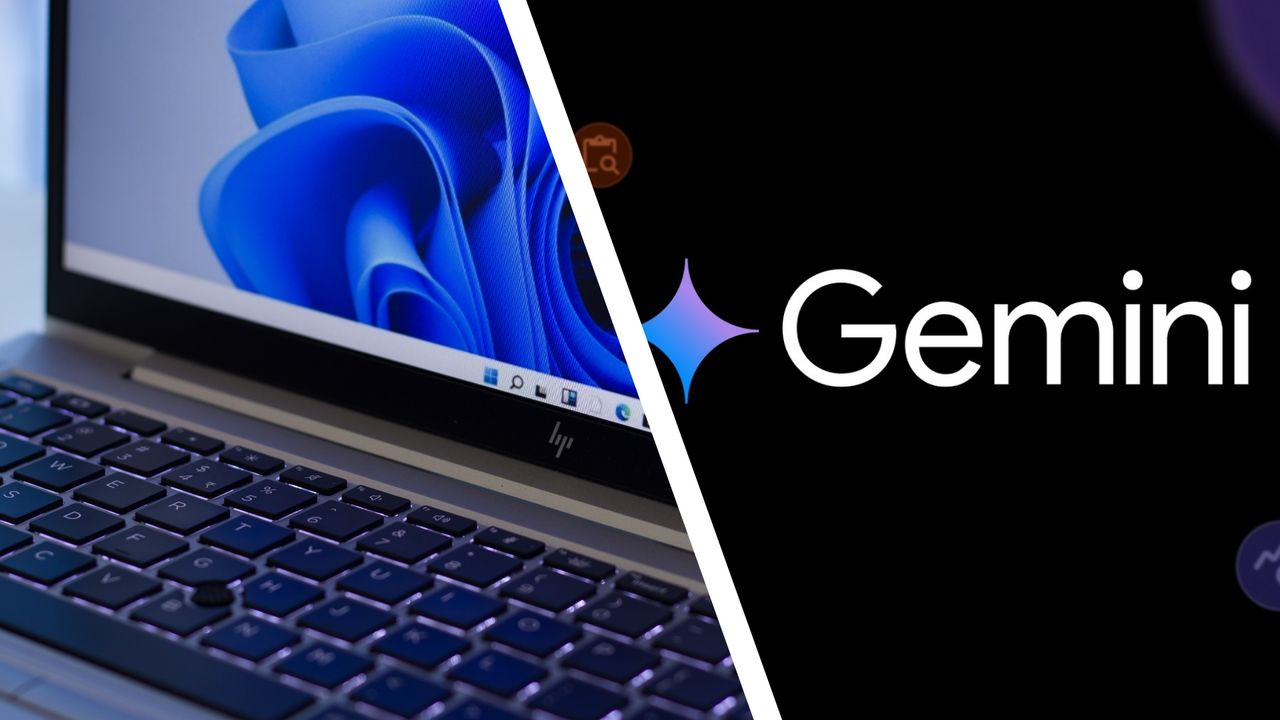
The company is preparing to launch the Acer Google Book, a high-end laptop built around Google's AI-native computing platform, in South Africa, although specific pricing and availability have not been disclosed.
Acer operates under four main pillars: computing, AI medical, smart living, and sustainability. Du Toit highlights a global shift, where devices are becoming more mobile, agile, and lighter in operation. This transformation is driven by memory shortages, high build costs, and the demand for hardware capable of handling heavier AI workloads, leading to increased costs for AI PCs. Previously, processor generations did not heavily rely on neural processing units, but this is changing as more processing shifts to the AI realm.
Du Toit explains that while traditional hardware costs have increased, the operational costs are decreasing due to advancements in hardware. He emphasizes the growing need for a balance between hardware and software within AI environments, warning that failing to keep up could result in vulnerabilities and performance impacts. Acer is actively collaborating with partners Intel, Microsoft, and Nvidia to meet the growing demand for AI-powered solutions.
Written by urgent.news from ITWeb's reporting — not their text. Machine-written — may contain errors; check the original before relying on it.