Could Israel have avoided Western sanctions? Former diplomats say the warning signs were clear
Former Israeli diplomats say settlement policy, violence in the West Bank and years of diplomatic neglect helped drive the crisis, while they remain divided over whether Jerusalem should retaliate or change course
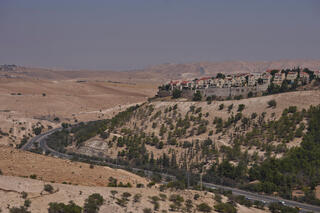
President Donald Trump and Secretary of State Marco Rubio demonstrated an atypical, restrained response to the United Kingdom, France, Canada and other nations planning sanctions against Israeli settlements in the occupied West Bank, a stark contrast to the administration's typical approach. The extent of their position on these sanctions remains ambiguous, according to current and former US officials.
However, the absence of a condemnation thus far holds significance, particularly in light of the administration's prioritized stance toward Israel and Palestinian territories, including the removal of sanctions on violent West Bank settlers and the warnings from the top US diplomat in Israel.
During a Wednesday interview, Trump's reaction was notably restrained, expressing a desire to "speak to Israel" and questioning the sudden occurrence of the sanctions. The UK had previously briefed the US, including through a call with Prime Minister Andy Burnham to Trump, prior to the Tuesday announcement. The reaction of Trump and Rubio might suggest an unease with Israeli policies in the West Bank.
Despite Trump's opposition to Israel's annexation of the West Bank, Israeli control of the territory has intensified, with the expansion of settlements and territory seizures. The Palestinians have reported incidents of Israeli settlers disrupting their olive harvesting efforts near Turmos in the West Bank. While the Trump administration is improbable to impose sanctions against Israel, the lack of condemnation from the highest echelons of the administration in the days since the sanctions were announced has captured the attention of US diplomats and allies.
This lack of response may indicate a mounting frustration from Trump with Israeli Prime Minister Benjamin Netanyahu, who is up for re-election next month.
Backing or even the continued silence on the sanctions could represent a significant rift between the United States and Israel, as Israel faces growing isolation from the international community. However, the response from Trump ultimately hinges on his strategic considerations, as the administration grapples with both external support for Israel and internal dissent regarding the situation in the West Bank.
When asked for comment, the White House referred CNN to Trump's Wednesday comments. Former US Ambassador to Israel Daniel Shapiro noted that the initial lack of condemnation represents a degree of recognition by the administration that the violence by Israeli extremists in the West Bank and the statements and actions of extremist ministers in the Israeli government are becoming problematic.
Written by urgent.news from Egypt Independent's reporting — not their text. Machine-written — may contain errors; check the original before relying on it.
This story
This is one outlet's version. Read the fullest account.
- Trump administration offers rare muted response on new sanctions against Israel egyptindependent.com


