The UAE wants to teach schoolchildren how to question AI
Children starting school in the UAE this year will study artificial intelligence before they can write a complete sentence. That may sound startling, but not when you know that AI already shapes their daily life. Algorithms influence what they watch, what they hear and what they discover, years before anyone explains how those choices are made for them. Schools are trying to catch up . The…
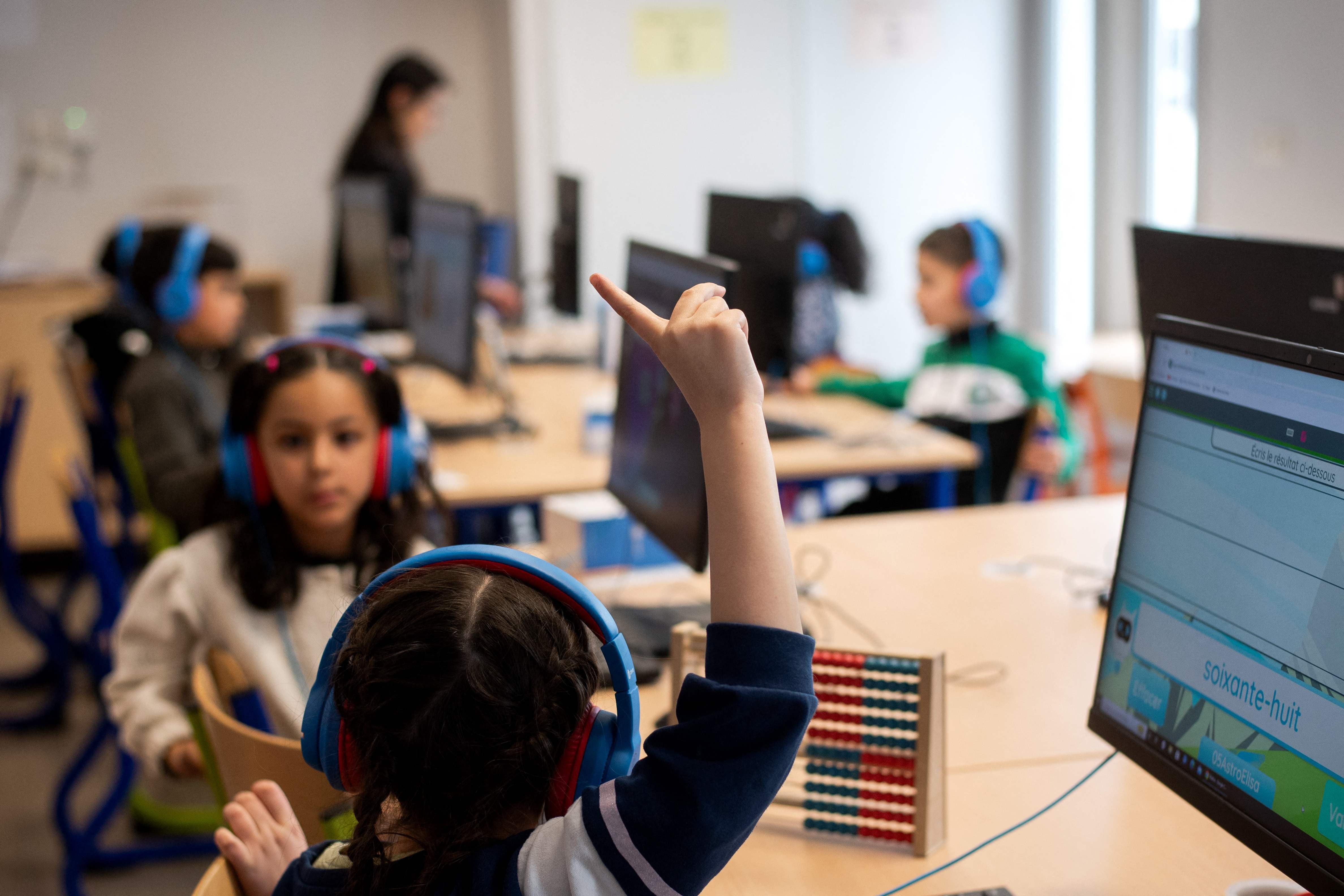
Starting in the UAE, schoolchildren will begin learning about artificial intelligence even before they can form complete sentences. This decision comes as AI influences the daily lives of children, through algorithms that determine what they watch, hear, and discover. In response, the government has expanded the AI curriculum to encompass both public and private schools, transcending the confines of the academic timetable.
This move underscores the importance of equipping every child with an understanding of the technology that shapes their education, future career, and much of the world around them. However, the curriculum extension also raises a fundamental question: if machines can generate answers, what role should education play in cultivating human judgment?
The curriculum design in the UAE reflects the significance of this inquiry, dedicating approximately a quarter of its lessons to the study of ethics. Younger students will engage with AI themes through storytelling and play, while older students will delve deeper into the subject. Regardless of their age, pupils will be taught to responsibly utilize AI and when to critically examine the information it provides.
Sarah Al Amiri, the Minister of Education, emphasized the necessity of this guidance, as children will increasingly employ AI tools at home, even when classroom restrictions are in place.
Guiding children through the use of AI is crucial for educators. They can assist students in questioning answers, recognizing errors, and understanding the risks associated with relying on information solely because it appears convincing. Without this support, many children could become reliant on AI without developing the critical thinking skills needed to discern truth from falsehood.
Educators bear a substantial portion of this responsibility, with the training of 22,000 teachers being of paramount importance alongside the curriculum itself. Teachers must possess the professional skills and confidence to engage with students about their conclusions, the reasoning behind their trust in particular answers, and the actions they would take should the AI prove incorrect.
Their guidance will determine whether AI fosters deeper thinking or merely diminishes the need for critical thought.
Furthermore, the assessment of learning must evolve in response to the integration of AI into education. Traditional essays, completed at home, no longer provide sufficient insight into a student's understanding. Schools and universities must adopt more dynamic methods to observe how students approach problems, test ideas, and modify their perspectives when new evidence emerges.
Methods such as oral examinations, supervised problem-solving, collaborative work, and the creation of portfolios can all facilitate this process. Simply possessing a polished answer does not adequately demonstrate a student's thought process or the evolution of their ideas.
Looking ahead to university and the workplace, the skills cultivated through this curriculum will be invaluable. Students who have mastered these abilities will possess a significant advantage over their peers, who may only have learned to memorize information without developing the ability to think critically or question information.
As the Arab region continues to witness rapid technological advancements, it is imperative that education systems adapt to prepare young people for a future that traditional processes may overlook. By sharing the UAE's curriculum with education ministries around the globe, the country aims to facilitate a faster response to this shared challenge while allowing for regional adaptations to suit diverse students, languages, and priorities.
This initiative underscores the UAE's belief in the far-reaching impact of its educational values and reinforces the importance of fostering an environment where young people can ask insightful questions and cultivate the discernment necessary to navigate an AI-driven world.
Written by urgent.news from The National UAE's reporting — not their text. Machine-written — may contain errors; check the original before relying on it.
Also reported by 1 other outlet
- The UAE wants to teach schoolchildren how to question AI thenationalnews.com