The Absurdity of High Commissions: Why Marketplaces Need to Move Beyond the Transaction Fee
High marketplace commissions are creating real conflict. Alexey Grushko explains why Marketplace 3.0 may move beyond transaction fees.
In the past, placing a taxi order involved speaking to a dispatcher who would match passengers with drivers, assign vehicles, and settle disputes. Today, software handles these tasks, enabling scale that human dispatchers could never match. This digitization promised cheaper, faster, and more scalable processes. However, a curious phenomenon occurred: while operational intermediation automated, the digital intermediary's share of the transaction remained high.
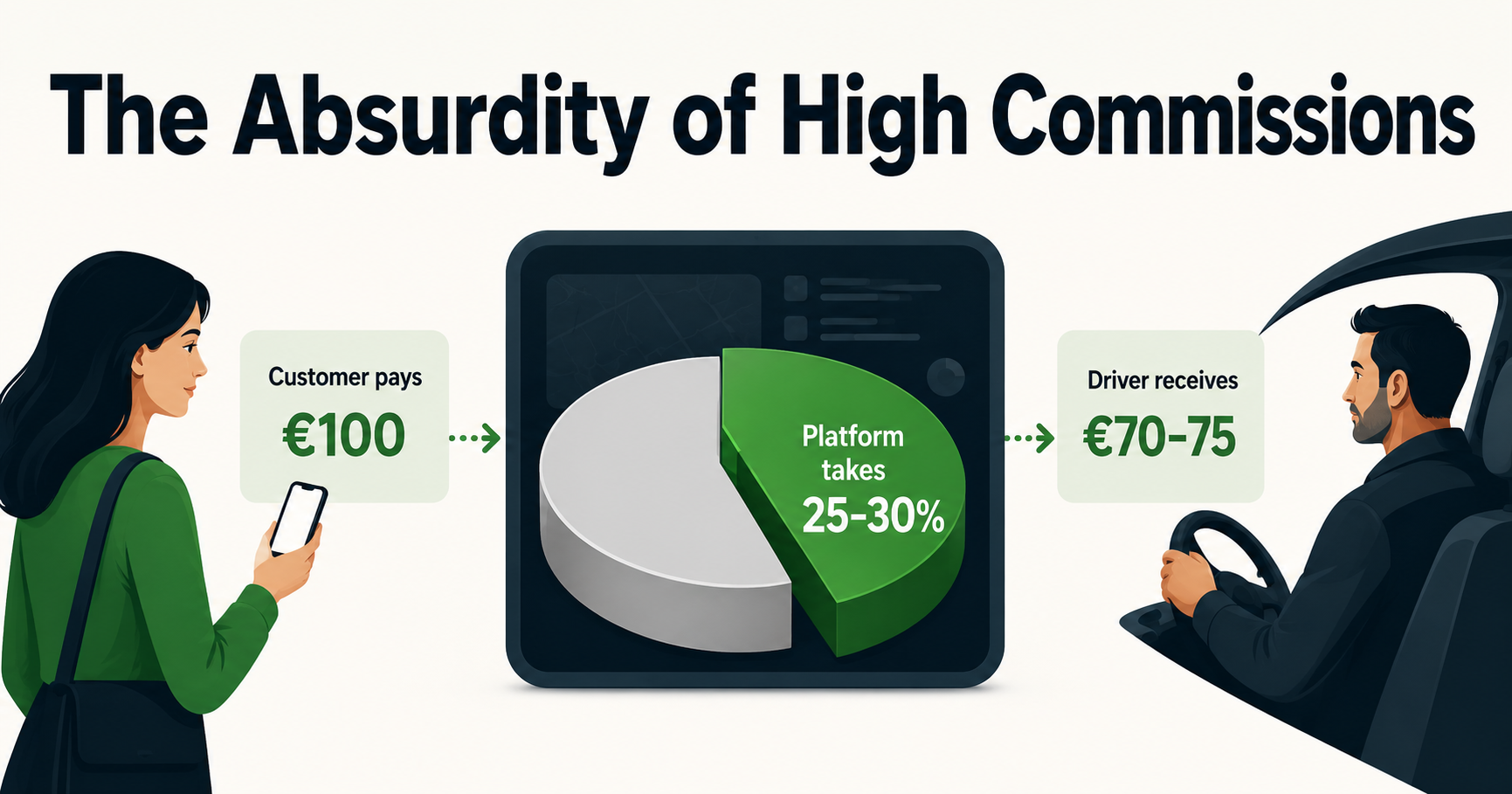
For instance, Bolt levies 25-30% commissions in major German cities. Similarly, Uber's share of transaction fees rose from 25% to over 50% on some trips after dynamic pricing was introduced. This situation has sparked protests and negotiations between drivers and platforms in Brussels, Estonia, and Indonesia, among other places.
While some costs are indeed inherent in platform work, high commissions have become a contentious issue affecting platforms, providers, customers, and regulators. The traditional commission model once made sense for early online marketplaces, which primarily facilitated discovery. However, as platforms evolved and began managing transactions, taking a percentage of each deal became logical.
The problem arises when a marketplace treats the transaction fee as the sole measure of its economics. Founders have acknowledged increasing commissions as businesses mature. The real issue lies in how we view the business itself. The commission model was once ideal, but as marketplaces mature, they must consider broader aspects of urban mobility, such as vehicle acquisition, financing, insurance, maintenance, and resale. Treating commissions as the boundary of a marketplace's economics limits its potential.
Written by urgent.news from HackerNoon's reporting — not their text. Machine-written — may contain errors; check the original before relying on it.