Social media must join the fight against teen suicides
As we observe World Suicide Prevention Day on September 10, the global community reflects on a sobering reality: suicide remains a leading cause of death among young people. Every year, more than 720,000 people die by suicide – each life a story cut short, a family shattered, a community left to grapple with unbearable loss. In Hong Kong, the Jockey Club Centre for Suicide Research and Prevention…
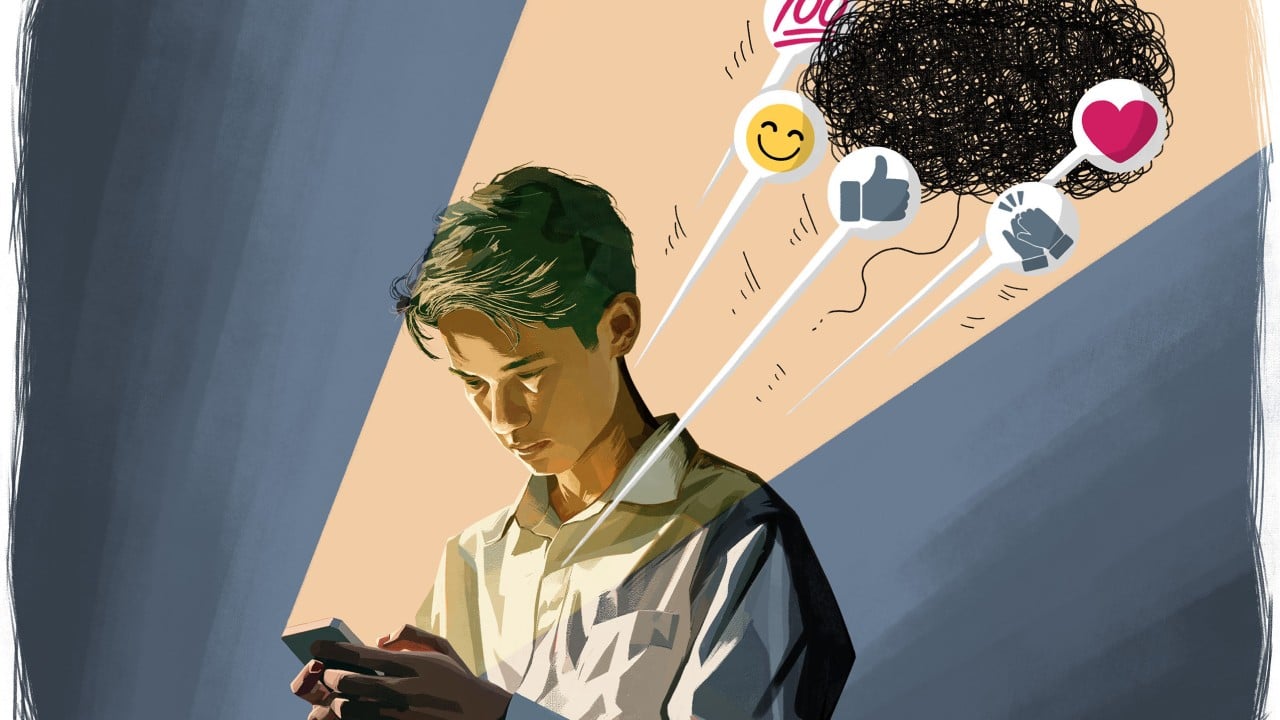
On World Suicide Prevention Day, the global community must confront a grim reality: suicide is a leading cause of death among young people, with over 720,000 lives lost each year. In Hong Kong, the Jockey Club Centre for Suicide Research and Prevention estimates the suicide rate at 13.0 per 100,000 population last year. While this represents a slight improvement, concern remains high among teenagers, particularly boys.
Social media has become the landscape of modern adolescence, with up to 95% of adolescents using it, often near-constantly. These digital spaces are where identities are formed, relationships navigated, and self-worth measured. The question arises: can social media join the fight against teen suicides?
My team at the CSRP has tracked data, studied patterns, and advocated for evidence-based solutions for decades. Excessive social media use correlates with poor mental health and deteriorating family relationships. While home and school problems contribute significantly, the digital environment has become a significant amplifier of distress.
Social media's impact is amplified through irresponsible media reporting, which can trigger the Werther effect. A single post can reach thousands of vulnerable individuals and create a dangerous feedback loop. However, responsibility does not rest solely with individuals. Platforms design algorithms to maximise engagement, often at the expense of well-being.
Meta Platforms' recent US$18 billion settlement to examine its algorithm design and improve mental health among young users should be a wake-up call. The tragic case of Sophie Rottenberg highlights the dangers of unregulated digital environments.
To promote responsible social media use, pause before posting. Avoid describing methods or locations in detail, and never speculate on causes or spread rumours. Attach help-seeking resources whenever suicide is mentioned. Use mindful language, avoiding phrases that frame suicide as noble or empowering. While individual action is crucial, platforms must be held accountable.
They should detect and remove harmful content using automated tools, route flagged items to human moderators, deprioritise borderline high-risk content, and act swiftly against cyberbullying. They should pin help resources prominently and consider measures like Meta's two-hour daily limit for young users and content filtering for children under 15.
However, systemic change is needed beyond these measures. Only about 75% of suicides occur among those with depressive symptoms, so we must think beyond clinical interventions. Promote a healthy lifestyle, make schools and homes safe places, and provide support to young people.
Written by urgent.news from South China Morning Post - Hong Kong's reporting — not their text. Machine-written — may contain errors; check the original before relying on it.
This story
This is one outlet's version. Read the fullest account.