Six South Africans still missing after Nepal flash floods as DNA sent for identification
Six South Africans remain unaccounted for following devastating flash floods in Nepal, with DNA profiles from their biological relatives sent to Nepalese police and Interpol to assist identification efforts.
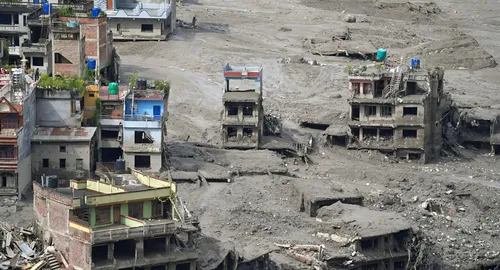
Six South Africans are still missing after catastrophic flash floods in Nepal, with authorities now relying on DNA identification to locate their whereabouts. The Department of International Relations and Co-operation (DIRCO) reported on Thursday that there was no update on the six South African nationals from sources in Nepal or China/Tibet.
DNA samples from biological relatives of the missing South Africans have been dispatched to Nepalese police and Interpol in Kathmandu to aid in the identification process. This step was taken after a formal request from the Nepalese government, and DIRCO enlisted the SAPS Victim Identification Centre under the Division: Detectives and Forensic Services to manage sample collection.
This development signifies a crucial advancement in efforts to uncover the fate of the six South Africans as response teams continue working on the flood aftermath. South Africa has expanded its diplomatic response, with missions in India and China collaborating with respective countries to coordinate the disaster response. The Beijing mission's involvement arises as South African authorities await information from China/Tibet concerning the missing nationals.
DIRCO pledged to follow the situation closely and provide updates to the families as new information becomes available, stating, "We will continue to monitor the situation closely and provide updates to the families as more information becomes available."
Written by urgent.news from IOL's reporting — not their text. Machine-written — may contain errors; check the original before relying on it.


