Sharjah's retirement plan is about much more than jobs
For many, retirement is considered as a finishing line. For some retirees, clocking off from that final shift signals the start of freedom and well-earned leisure. For others, however, retirement can mean losing a daily routine, valued colleagues, a sense of purpose – and even a part of their identity. This week, one part of the UAE unveiled an alternative way forward. Sheikh Dr Sultan bin…
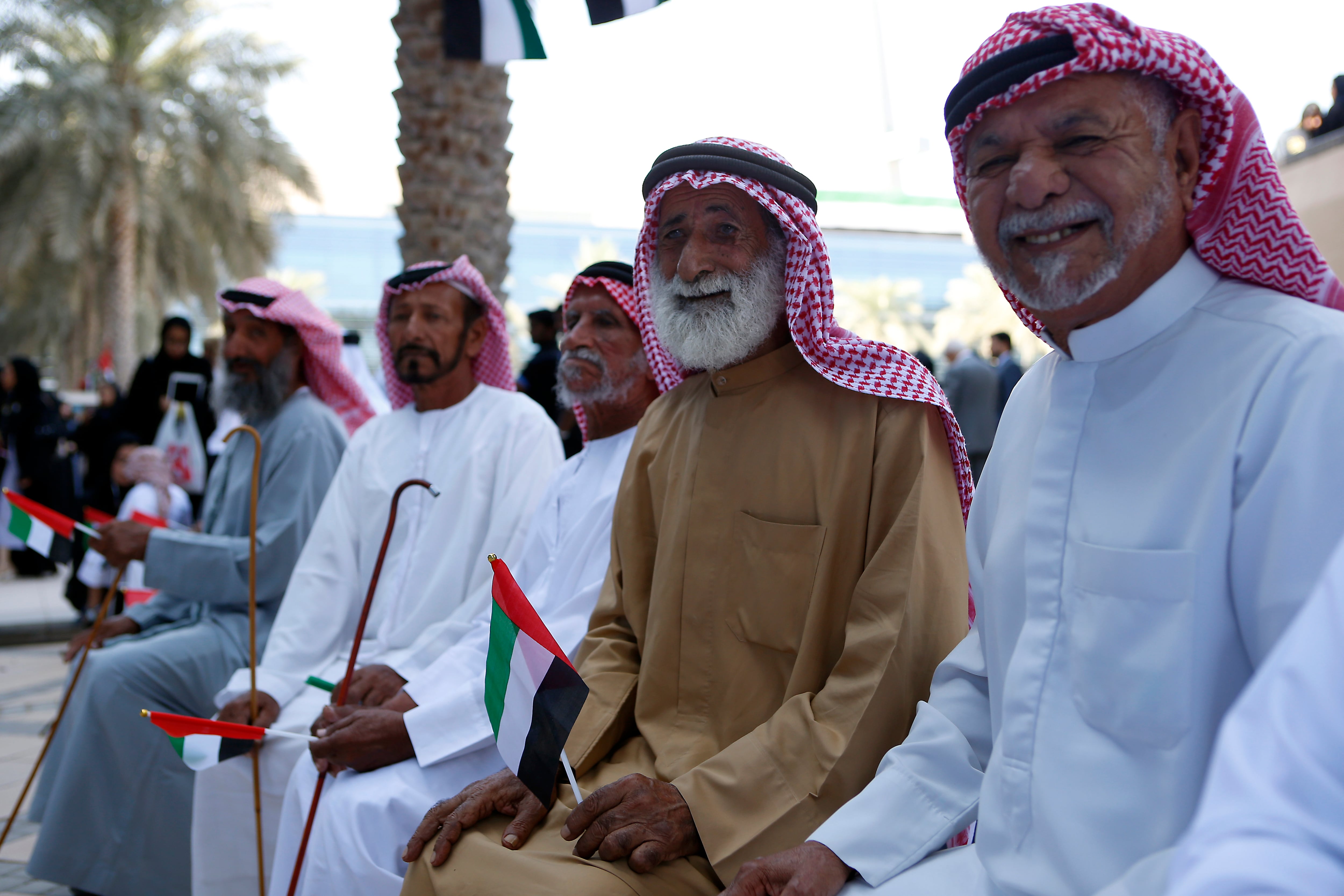
Retirement often represents the end of a career, yet for some, it marks the beginning of a new chapter filled with freedom and leisure. However, for others, retirement can lead to a loss of routine, colleagues, and a sense of purpose - even a piece of their identity. This week, one emirate in the UAE offered an alternative approach to retirement.
Sheikh Dr Sultan bin Muhammad Al Qasimi, ruler of Sharjah, signed off on a plan to re-employ senior citizens, their spouses, and retirees in the emirate's public sector on a part-time basis. Options include working three days a week or specific hours, and there will be job opportunities for those who receive social assistance. Sheikh Dr Sultan explained that the scheme's aim is to reintegrate retirees into the daily rhythm of life, providing them with reasons to engage with the world around them, meet people, and interact with visitors and customers again.
The emirate's move highlights a crucial acknowledgment that employment systems often overlook: people do not lose their skills, experience, or usefulness simply because they reach a certain age. By promoting social participation in this manner, the initiative demonstrates that these individuals are still valued and needed. Beyond the societal benefits, there is a practical economic argument for retaining this workforce.
Government and other institutional employees who have spent decades working bring invaluable knowledge that cannot be easily replaced by new hires. They often understand how systems operate and where potential problems may arise. Retaining this institutional memory is a strategic asset for an economy like the UAE's, which is increasingly built around knowledge and technology.
Sharjah has already demonstrated its willingness to rethink traditional work models. In 2022, the emirate introduced a four-day working week for government employees and recently raised the minimum monthly wage for public-sector workers to Dh20,000, showing a readiness to question whether older work models remain relevant. The retirement initiative announced this week is part of this ongoing conversation.
Other countries have also explored similar ideas. Japan, dealing with one of the world's oldest populations, encourages older people to remain economically active through its network of more than 1,300 community-based Silver Jinzai groups, which help people aged 60 and above find part-time work and maintain social connections. Singapore has implemented policies aimed at extending working lives, with its Part-time Re-employment Grant providing financial incentives to employers who offer flexible options and career planning to senior workers. A key principle behind Sharjah's experiment is choice.
Written by urgent.news from The National Business's reporting — not their text. Machine-written — may contain errors; check the original before relying on it.
This story
This is one outlet's version. Read the fullest account.
- Sharjah's retirement plan is about much more than jobs thenationalnews.com