Primark sales slip as owner dresses up retailer for demerger
Primark has seen its sales slip due to heatwaves and “weak” consumer spending, despite efforts by its owner to revamp the discount clothes seller as it prepares to be spun off. Associated British Foods (ABF), the FTSE 100 consumer goods giant which owns Primark, said it is working “at pace” to improve the retailer ahead [...]
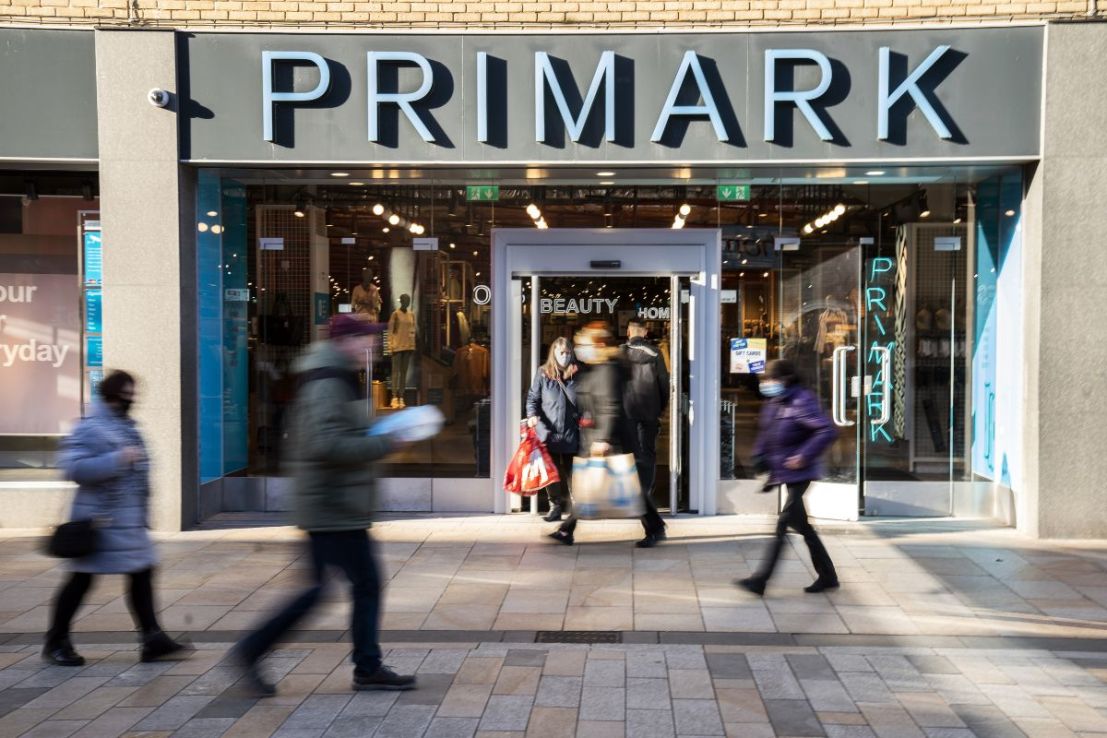
Associated British Foods (ABF), the parent company of discount clothing retailer Primark, reported a dip in sales due to heatwaves and weak consumer spending. Despite ABF's efforts to revamp Primark, the clothes seller is expected to experience a 3% decrease in like-for-like sales in the last quarter of the year, resulting in a 2.6% drop in total sales for the year. Shares in ABF fell more than 8% to 1,846p in early trading.
Primark's UK sales are projected to grow by 0.6% in the quarter, while sales in continental Europe are anticipated to decline by 4.7%. ABF has intensified its marketing and advertising efforts in Europe to combat the decline, and the retailer is set to introduce home delivery services in Great Britain for the first time. The company believes Primark's digital maturity and the success of click-and-collect will enable profitable growth through this new channel.
ABF's chief executive, George Weston, stated that actions to bolster Primark's customer proposition are progressing rapidly. In the UK and women's wear categories, they continue to outperform other markets and categories. However, ABF noted that trading in continental Europe remains challenging, with the group focusing on strengthening the customer proposition in these areas.
Analysts from RBC Capital Markets attributed Primark's softer-than-expected trading trends to an increased price perception and a tougher macro and competitive environment, particularly outside the UK. ABF's food arm, which includes brands such as Twinings, Allied Bakeries, and Patak's, has delivered "resilient trading" in recent months.
However, Twinings tea sales were negatively impacted by low demand due to the hot summer weather in the UK and Europe. The sugar business also faced a setback due to low prices, high energy costs, and reduced crop yields in the UK and Spain.
Written by urgent.news from City AM's reporting — not their text. Machine-written — may contain errors; check the original before relying on it.