Mainland Chinese shoppers lose trusted Hong Kong veggie tag as customs revamp hits shelves
Mainland Chinese supermarkets, including US warehouse retailer Sam’s Club, have dropped the Hong Kong-bound vegetable label under new customs rules. The change has triggered widespread concern among consumers, as the label had long served as a selling point for high quality amid frequent mainland food-safety incidents. The removal stems from new rules by the General Administration of Customs.…
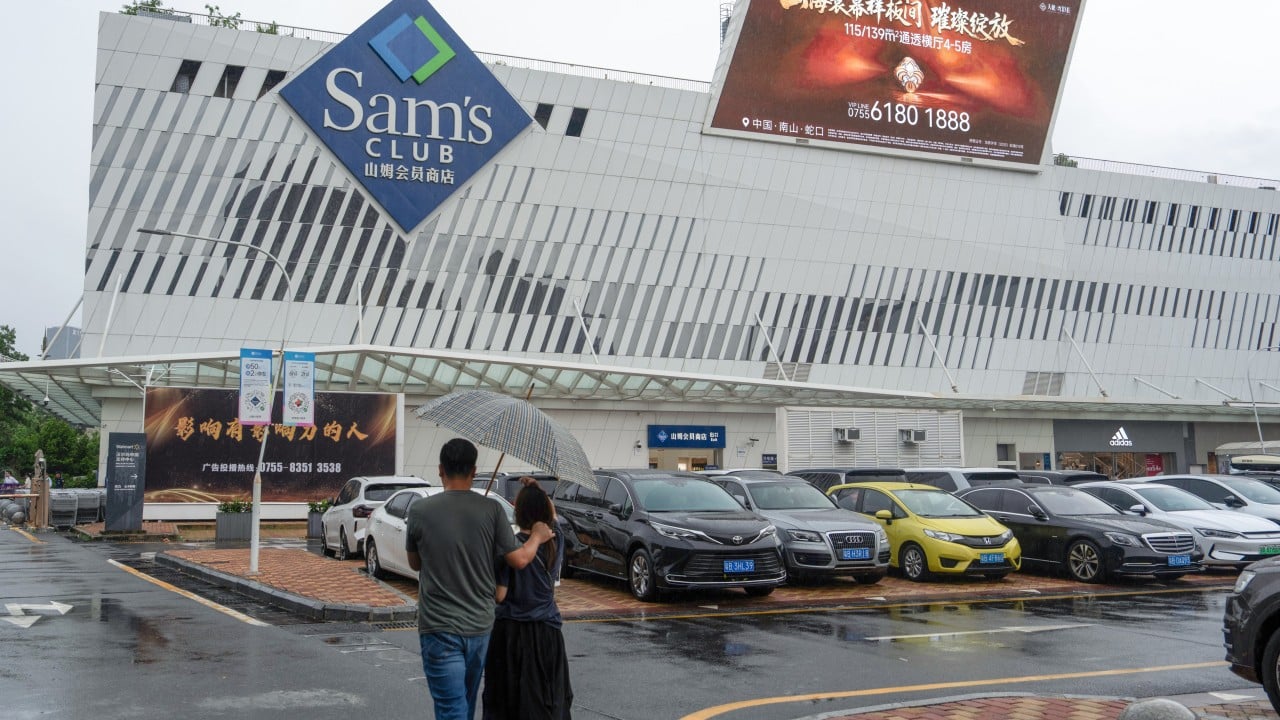
Mainland Chinese supermarkets, such as US warehouse giant Sam’s Club, have discontinued the Hong Kong-bound vegetable label following new customs regulations. This move has sparked widespread consumer concern, as the label had previously indicated high quality amidst frequent food safety issues in mainland China. The change came into effect on September 1, when the General Administration of Customs eliminated the requirement for registration of growing farms, while only food processing firms now need to register.
Before this change, consumers simply looked for the Hong Kong-bound label to ensure quality. However, now they must verify details themselves, leading to confusion and dissatisfaction. Consumers expressed their disappointment on Chinese social media platform RedNote, stating that they must now check the specifics themselves. For instance, a female shopper lamented that she no longer could rely on the Hong Kong-bound label for assurance of quality.
One particular example is lettuce, which was a bestseller at Walmart-owned Sam’s Club on the mainland, drawing in middle-class buyers who trusted its quality. The retailer added a tag to explain the new customs rule on the product. The 600-gram pack, priced at 12.90 yuan (US$1.90), still uses the same packaging and supplier from China’s Ningxia Hui autonomous region.
However, the retailer introduced a new label, "Dali lettuce," which has raised concerns among shoppers. Some claimed that the new Dali lettuce lacked the crunch and moisture of the previous version. Others argued that merchants could still claim unchanged quality, and consumers would face difficulties in pursuing legal claims if the vegetable did not meet the old supply standards.
The issue is compounded by Hong Kong's heavy reliance on mainland China for food imports. Over 90% of Hong Kong's food comes from the mainland, with the top imports being fresh pork (94%), vegetables (92%), and eggs (66%), according to the Hong Kong Environment and Ecology Bureau. Due to limited land and industrial layout, Hong Kong's food safety requirements led to continuous quality enhancements for mainland food bound for the city.
Farms supplying Hong Kong became a priority and a means to boost added value for regional agriculture.
Written by urgent.news from SCMP Business's reporting — not their text. Machine-written — may contain errors; check the original before relying on it.
This story
This is one outlet's version. Read the fullest account.