Brazil scraps tax on small parcels as Chinese platforms lose US and EU access
Brazil on Wednesday eliminated its federal import tax on small overseas parcels, moving in the opposite direction from US and European Union efforts to close a loophole that saw such Chinese retail giants as Shein and Temu expand rapidly. The elimination will hurt the country’s tax base, but the levy on lower value shirts, electronics, toys and kitchen gadgets ultimately proved too unpopular…
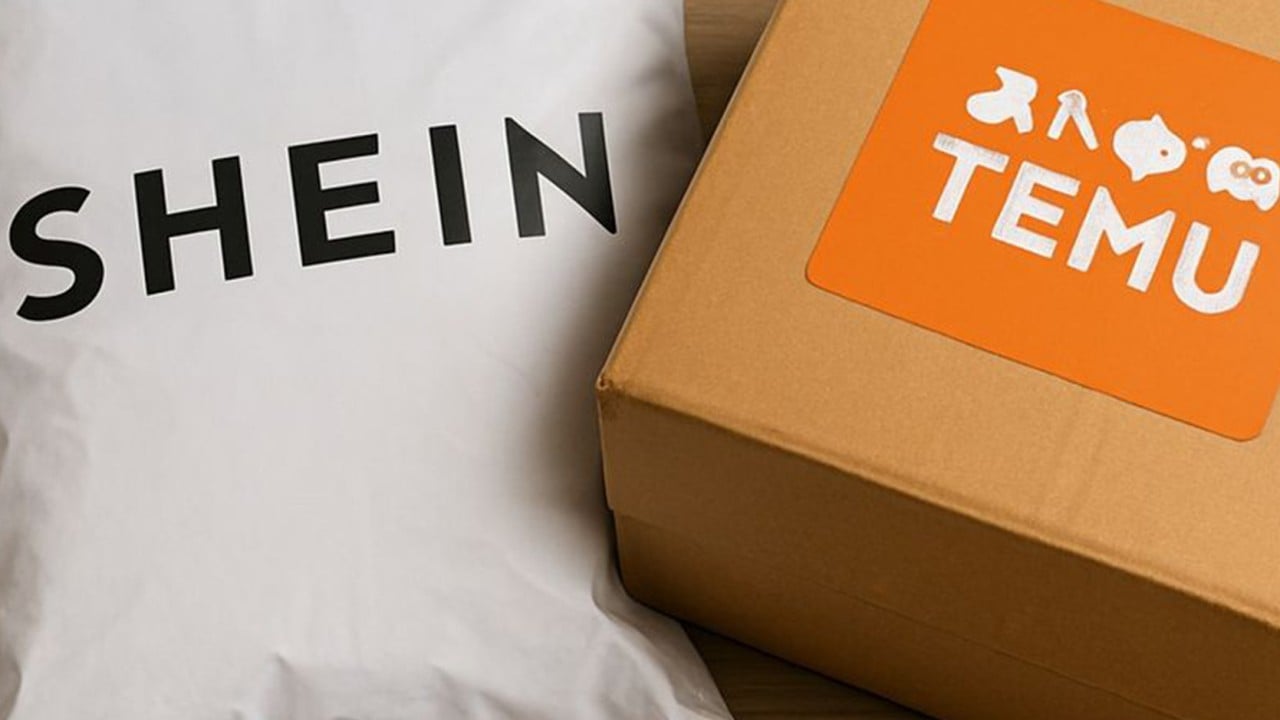
Brazil has scrapped a federal import tax on small overseas parcels, reversing a policy that was seen as a loophole allowing Chinese retail giants like Shein and Temu to expand rapidly. This decision comes ahead of the October 4 presidential election and was made in an effort to address public discontent, despite the loss of potential tax revenue.
The tax, known as "taxa das blusinhas" or the little-blouses tax, was originally imposed to prevent cheap clothing, electronics, and other goods from being smuggled into the country at a lower cost. However, the tax proved unpopular among Brazilians and was scrapped by provisional measure in May, only to be reintroduced as a law in June.
The elimination of the tax will affect the country's tax base, but it was deemed necessary for social justice, according to President Luiz Inacio Lula da Silva. The tax was applied to orders worth up to US$50, with a 20% charge, and was primarily affecting low-income consumers. The removal of the tax will not make the parcels tax-free, as state value-added tax of 17 to 20% still applies.
Despite this, the exemption stops at a threshold, meaning that orders between US$50.01 and US$3,000 still pay a federal rate of 60% with a US$30 discount. The elimination of the tax has immediate implications for platforms such as Shein and Temu, with their monthly users in the United States falling by 30% and 12% respectively within weeks of the change.
The Chinese share of the parcel surge in June cannot be officially established, but it is believed to have been significant given the country's growth in the region. The Brazilian industry groups have long argued for the removal of the tax, as it would divert inventory from the United States to other markets. The policy will now be assessed by the finance ministry in November and every six months after, with an evaluation of its impact on employment, competitiveness, and revenue.
Written by urgent.news from Reuters Business via SCMP's reporting — not their text. Machine-written — may contain errors; check the original before relying on it.