Künstliche Intelligenz: So verschaffen sich Führungskräfte im mittleren Management einen Wettbewerbsvorteil
Je höher der Posten, desto größer die Erwartung an KI-Kompetenz. Ein Top-Headhunter verrät exklusiv, mit welchen Fragen er sie prüft – und wann er Bewerber sofort aussortiert.
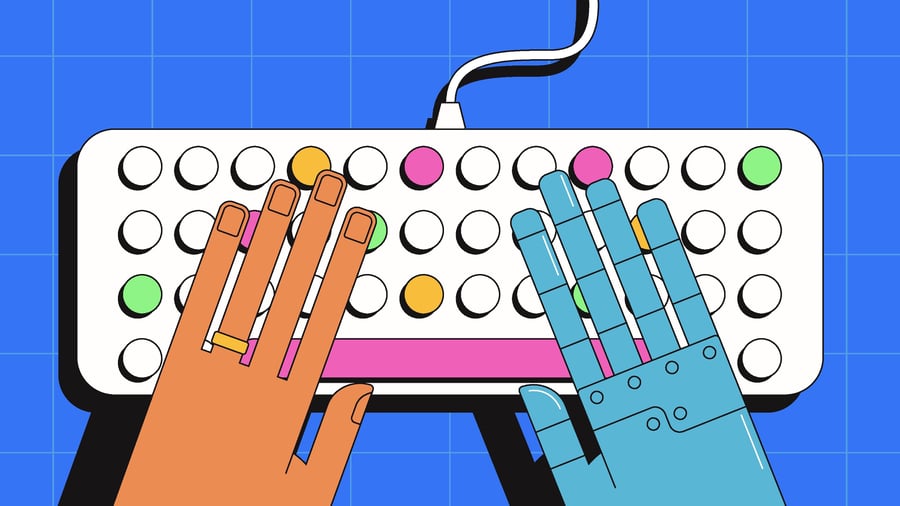
In Düsseldorf, artificial intelligence (AI) and a struggling economy are causing companies to cut back on staff, affecting not just line workers but also middle managers. In 2025, there were 14.3 percent more unemployed managers than the previous year. This is because AI can already perform some managerial tasks, such as resource planning, calculations, and cost control.
According to the "Job-Futuromat" created by the Institute for Employment and Labor Research (IAB), up to 67 percent of managerial tasks can be replaced by algorithms. The middle management is particularly vulnerable. "We need to prove ourselves more than ever to get to the top," says headhunter Bernhard Stieger. He provides the Handelsblatt with exclusive questions to distinguish candidates who will move up the ladder from those who won't.
The reporter wonders what answers they would give to Stieger's questions and whether they would still have a chance at a leadership position.
Written by urgent.news from Handelsblatt's reporting — not their text. Machine-written — may contain errors; check the original before relying on it.
This story
This is one outlet's version. Read the fullest account.