Japan’s protest over Russian soldier statue aggravates ‘summer of tension’
Russia has rebuffed a strongly worded complaint from Japan about the unveiling of a statue in the city of Khabarovsk depicting a Soviet soldier smashing an imperial-era border marker bearing the emblem of the Japanese emperor, with analysts suggesting the bilateral relations will inevitably remain chilly. The 15-metre granite monument to the Soviet Union’s victory over Japan in 1945 shows a…
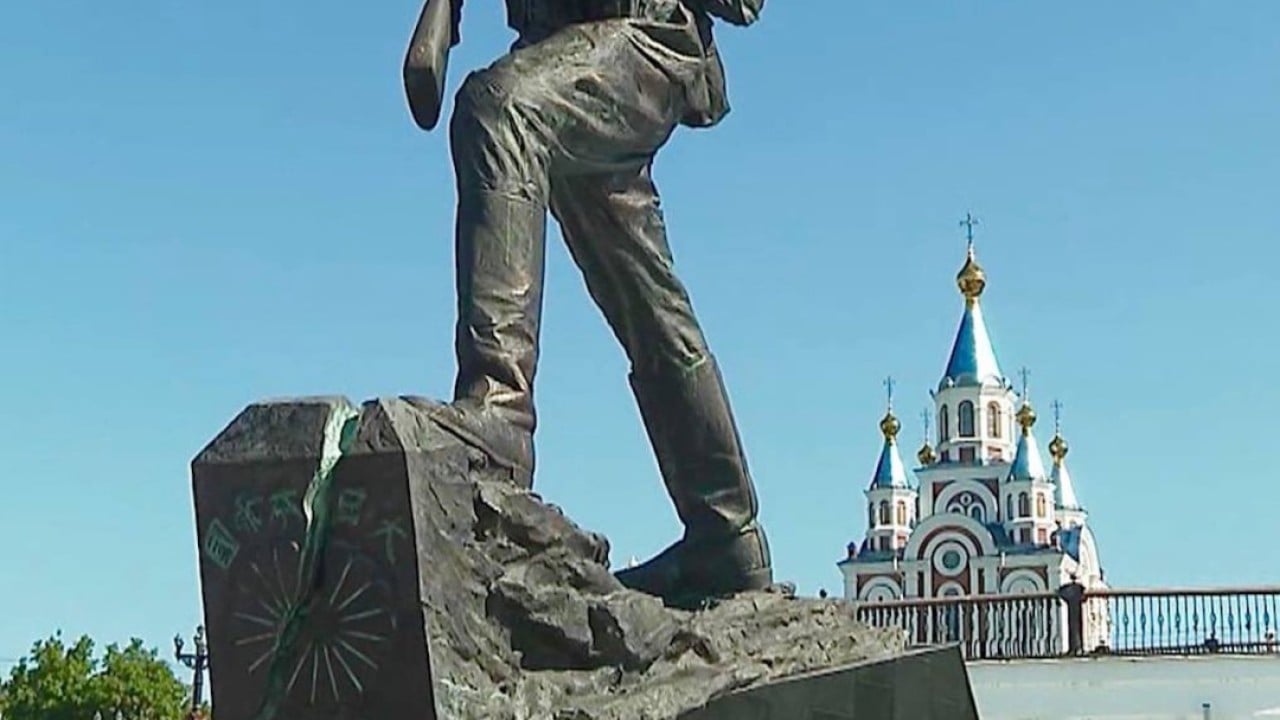
Japan's government expressed strong disapproval over the unveiling of a statue in Russia's Khabarovsk city, depicting a Soviet soldier smashing a border marker with an imperial emblem. The monument, standing 15 meters tall, commemorates the Soviet Union's victory over Japan in 1945. Japan requested the removal of the statue, which includes the Chrysanthemum Crest, a symbol of the Japanese emperor.
Tsune Sanae Takaichi, Japan's Prime Minister, had also requested the removal, emphasizing how unacceptable it was to depict the destruction of Japan's symbol. Kremlin spokesman Dmitry Peskov dismissed Japan's protests, stating that Russia had not forgotten its historical grievances. Analysts suggest that the tensions between the two nations will persist, adding to a "summer of real tension".
The dispute over the statue exacerbates existing friction, as Japan and Russia have been at odds since Japan imposed sanctions on Russia following its invasion of Ukraine. The situation is further complicated by Russia's recent visit to Iturup, part of the disputed Kuril Islands, which Japan claims as its Northern Territories. This visit has further strained relations and highlighted the contentious nature of the issue.
Written by urgent.news from South China Morning Post's reporting — not their text. Machine-written — may contain errors; check the original before relying on it.