India's moment to add another brick in the wall
Two decades ago, Brazil, Russia, India and China formed the BRIC group to give emerging economies a stronger voice in global governance. South Africa joined in 2010, changing the name to BRICS. Today, the group has 11 members, including Egypt, Ethiopia, Iran, Saudi Arabia, the UAE, and Indonesia. India traditionally views BRICS as a platform to amplify the voice of emerging nations and push for a more diverse, multipolar world order.
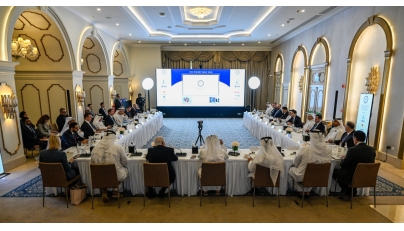
However, the recent global environment has made it harder for India to balance its role within the increasingly large and diverse BRICS group. The September 12-13 summit in Delhi, marking 20 years of the grouping, presents India with an opportunity to strengthen coherence within the organization and assess its ability to shape global economic and diplomatic outcomes.
India's presidency revolves around four key areas: resilience, innovation, cooperation and sustainability, guided by Prime Minister Narendra Modi's "Humanity First" approach. This year, much attention has been focused on technical meetings related to energy, trade, technology and other sectors. Yet, the summit arrives during a period of heightened tariffs, wars and energy disruptions, posing significant challenges to the global economy.
The most immediate strategic opportunity for India is the grouping of BRICS, which includes China and Russia. The summit will bring these three nations together, shortly after their meeting at the Shanghai Cooperation Organisation summit. Chinese President Xi Jinping's participation in Delhi will be particularly important, as India and China have a complicated relationship due to the border dispute.
BRICS allows India to engage with Russia, a key energy, defense and trade partner, and explore various strategic relationships concurrently.
While India's relationship with China is strained by the border conflict, Russia remains an essential partner for New Delhi in energy, defense and trade. Although BRICS cannot resolve these differences or alter the nature of India's partnership with Russia, it provides a platform for managing multiple strategic relationships simultaneously.
India hosted the first BRICS summit in 2012, focusing on global stability, security and prosperity. This led to the creation of the New Development Bank and broader cooperation in areas such as counter-terrorism. However, Beijing saw the grouping as a means to bolster the influence of emerging economies and strengthen ties with the Global South. India attempted to balance global institution reform with ensuring BRICS remained not dominated by one country's strategic agenda.
The expanded BRICS group now comprises major oil and gas producers, large energy consumers, significant manufacturing economies and rapidly growing markets. Together, its members account for nearly half the world's population and a substantial share of global output and trade. This presents immense potential across energy, investment, trade, supply chains and technology, especially as US tariffs and geopolitical conflicts prompt countries to diversify markets and enhance supply chain resilience.
India is exploring mechanisms to increase BRICS intra-trade, reduce transaction costs and simplify customs procedures. Additionally, the organization is working on global value chain cooperation through an Action Plan for 2026-30, which includes a technical council and a joint study. However, the diverse economic structures and interests of the member countries pose a challenge.
India and China, despite their heavy trade, also compete in various areas. Meanwhile, Gulf members are major energy exporters, while India and China are major importers. Russia's economy has been reshaped by Western sanctions and the ongoing war in Ukraine. Despite these differences, BRICS can be valuable because these countries do not need to agree on everything to cooperate where their interests align.
The focus on reducing dependence on the US dollar is closely monitored in India. While India supports cheaper cross-border payments and alternative payment mechanisms, it does not advocate for a common BRICS currency. Instead, India promotes local-currency settlements, payment interoperability and reduced reliance on dollar-based intermediaries.
The Reserve Bank of India has proposed linking BRICS digital currencies to facilitate cross-border trade and tourism payments, although substantial coordination is required due to differences in central bank digital currency development, technologies, regulatory systems and monetary policies among the BRICS nations.
Written by urgent.news from The Economic Times's reporting — not their text. Machine-written — may contain errors; check the original before relying on it.