Global experts examine how energy systems can withstand era of multiple risks
<p>Doha, Qatar: Cyberattacks, extreme weather, geopolitical conflict, shipping disruptions and fragile supply chains are exposing vulnerabilities across the global energy system. As these threats become increasingly interconnected, energy security can no longer be measured solely by the availability of oil, gas or electricity.</p> <p>Against this backdrop, senior executives, policymakers,…
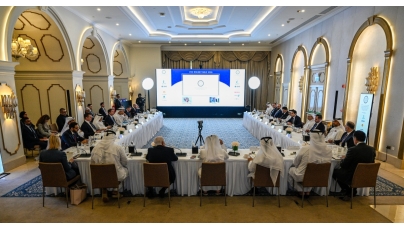
Doha, Qatar - Senior energy executives and policymakers gathered in the Qatari capital yesterday to discuss the evolving nature of energy security in the face of an increasing number of interconnected threats. The Al-Attiyah Foundation hosted the third CEO Roundtable of the year, which examined how energy systems can be made more resilient in the era of multiple risks.
The discussion, held under the Chatham House Rule, featured insights from experts in energy, policy, and academia. Topics ranged from the impact of cyberattacks and extreme weather events to geopolitical conflicts and disruptions in supply chains. Participants explored how traditional measures of energy security, such as the availability of oil, gas, or electricity, are no longer sufficient indicators of a robust energy system.
Key areas of focus included the resilience of physical infrastructure like grids, pipelines, and terminals, as well as the digital control systems that underpin modern energy networks. The need to consider access to critical resources, such as minerals, equipment, and specialized services, was also emphasized. Experts highlighted how compound risks, where multiple threats interact simultaneously, pose a growing danger to the global energy system.
Cybersecurity emerged as a critical concern, with the increasing reliance of energy companies on connected systems and technologies. A breach in one digital system could have cascading effects on physical operations, trading activities, and essential services. Climate change was another central theme, with the discussion acknowledging the significant impact that extreme weather and environmental stresses have on energy infrastructure.
The roundtable concluded with a call for action. H.E. Dr Saud bin Abdullah Al-Attiyah, Chairman of the Board of Trustees of the Al-Attiyah Foundation, emphasized that energy security now involves managing a complex web of geopolitical, technological, environmental, and commercial risks. He stressed the importance of incorporating resilience into infrastructure design, maintenance, and long-term investment planning to ensure reliable and sustainable energy supplies in the face of disruption.
Written by urgent.news from The Peninsula Qatar Business's reporting — not their text. Machine-written — may contain errors; check the original before relying on it.