Forest therapy reduces suicide risk and depression, study finds
Engaging in structured forest therapy programs significantly reduces suicide risk, feelings of despair and depression, offering a scientifically backed tool for mental health recovery, according to a study released Wednesday by the National Institute of Forest Science. The findings arrive against the backdrop of an ongoing national mental health crisis in Korea, which has long recorded the…
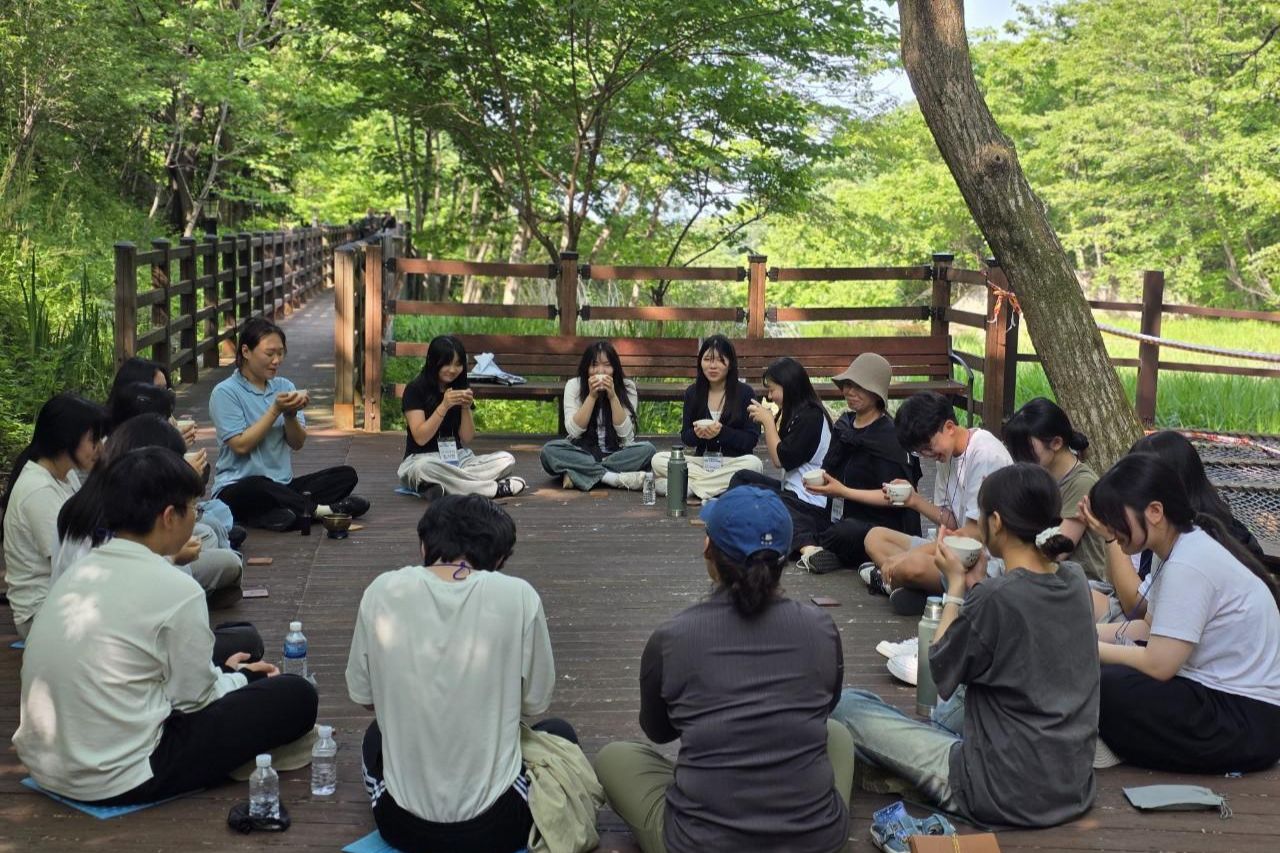
Structured forest therapy programs have been found to significantly reduce suicide risk, feelings of despair and depression, according to a new study by the National Institute of Forest Science. This scientific evidence could provide a valuable tool for mental health recovery in a country facing a severe mental health crisis.
Korea currently has the highest suicide rate among developed nations, a problem exacerbated by persistent societal stress, hyper-competitive work environments, academic pressures, and social isolation. In response to these issues, state health agencies have begun to explore community-based and natural preventative measures to build long-term psychological resilience.
To verify the effectiveness of these natural interventions, researchers conducted a study involving 231 participants. They used standardized psychological tests to measure changes in suicide risk, hopelessness, and depression before and after participants engaged in forest therapy programs. The research was timed with World Suicide Prevention Day, highlighting the importance of the findings.
The study's results suggest that regular engagement in forest therapy could offer a scientifically validated approach to addressing the growing mental health challenges in Korea and potentially other nations grappling with similar issues.
Written by urgent.news from The Korea Times's reporting — not their text. Machine-written — may contain errors; check the original before relying on it.
This story
This is one outlet's version. Read the fullest account.
- Forest therapy reduces suicide risk and depression, study finds koreatimes.co.kr