FG to remove data charges for millions of Nigerian students
The Federal Government has announced plans to remove data charges for millions of Nigerian students who use approved educational platforms as part of efforts to expand access to digital learning. The Minister of Education, Dr Tunji Alausa, announced the initiative on Thursday during the launch of the Initiative for Zero-Rated Access to Educational Platforms and […] FG to remove data charges for…
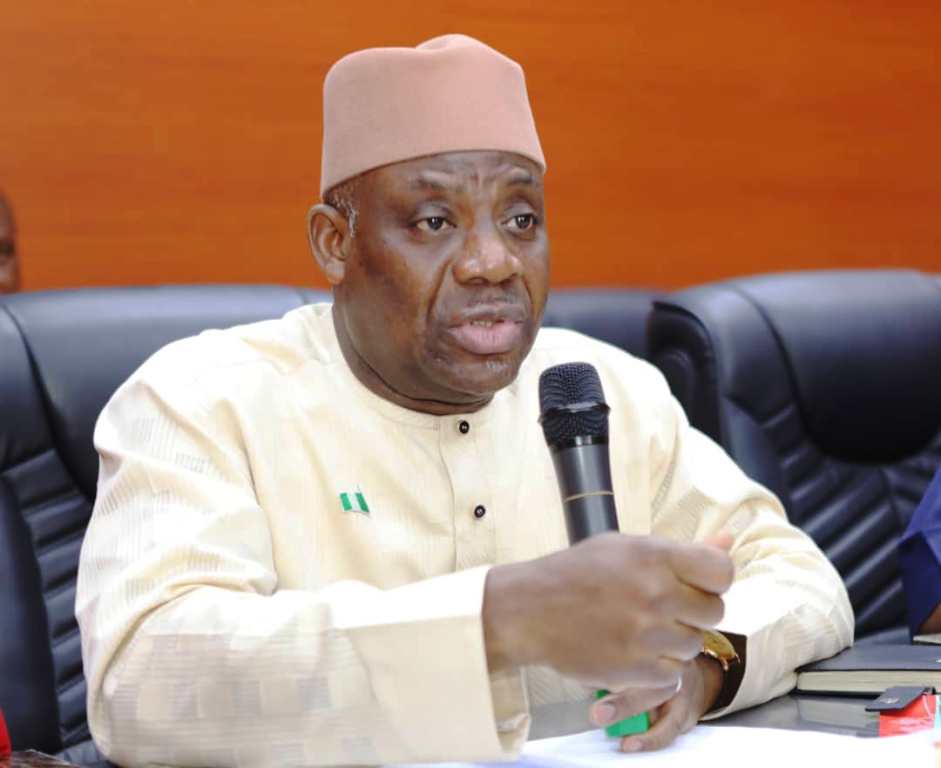
The Federal Government of Nigeria has announced plans to eliminate data charges for a large number of students who utilize approved educational platforms, as part of broader efforts to enhance digital learning accessibility. Dr Tunji Alausa, the Minister of Education, unveiled this initiative during its official launch on Thursday.
The program, titled the Initiative for Zero-Rated Access to Educational Platforms and Content in Nigeria, aims to ensure that the cost of internet access does not hinder students from gaining access to crucial educational resources.
The initiative, launched in line with President Bola Tinubu’s Renewed Hope Agenda, seeks to eliminate one of the significant barriers to digital education in Nigeria. According to the Minister, it extends beyond mere connectivity, focusing on making learning accessible to children who may otherwise be unable to afford the data necessary to access it.
Alausa emphasized that factors such as poverty, geographical location, and inadequate access to conventional educational facilities should not impede Nigerian children from obtaining learning opportunities. He stated, "A smartphone, tablet, or computer can function as a classroom and library when the expense of obtaining educational materials is removed."
The announcement comes amid ongoing challenges within Nigeria's education sector, characterized by a significant digital divide that has left countless children and young people without dependable access to learning. Research by UNICEF has highlighted that millions of Nigerian children are currently out of school. Furthermore, persistent issues such as poor internet connectivity, inconsistent electricity supply, and limited digital skills continue to impede access to online education, particularly in rural regions.
Written by urgent.news from Daily Post Nigeria's reporting — not their text. Machine-written — may contain errors; check the original before relying on it.


