Explained: Can Nicolás Maduro claim sovereign immunity before a US court?
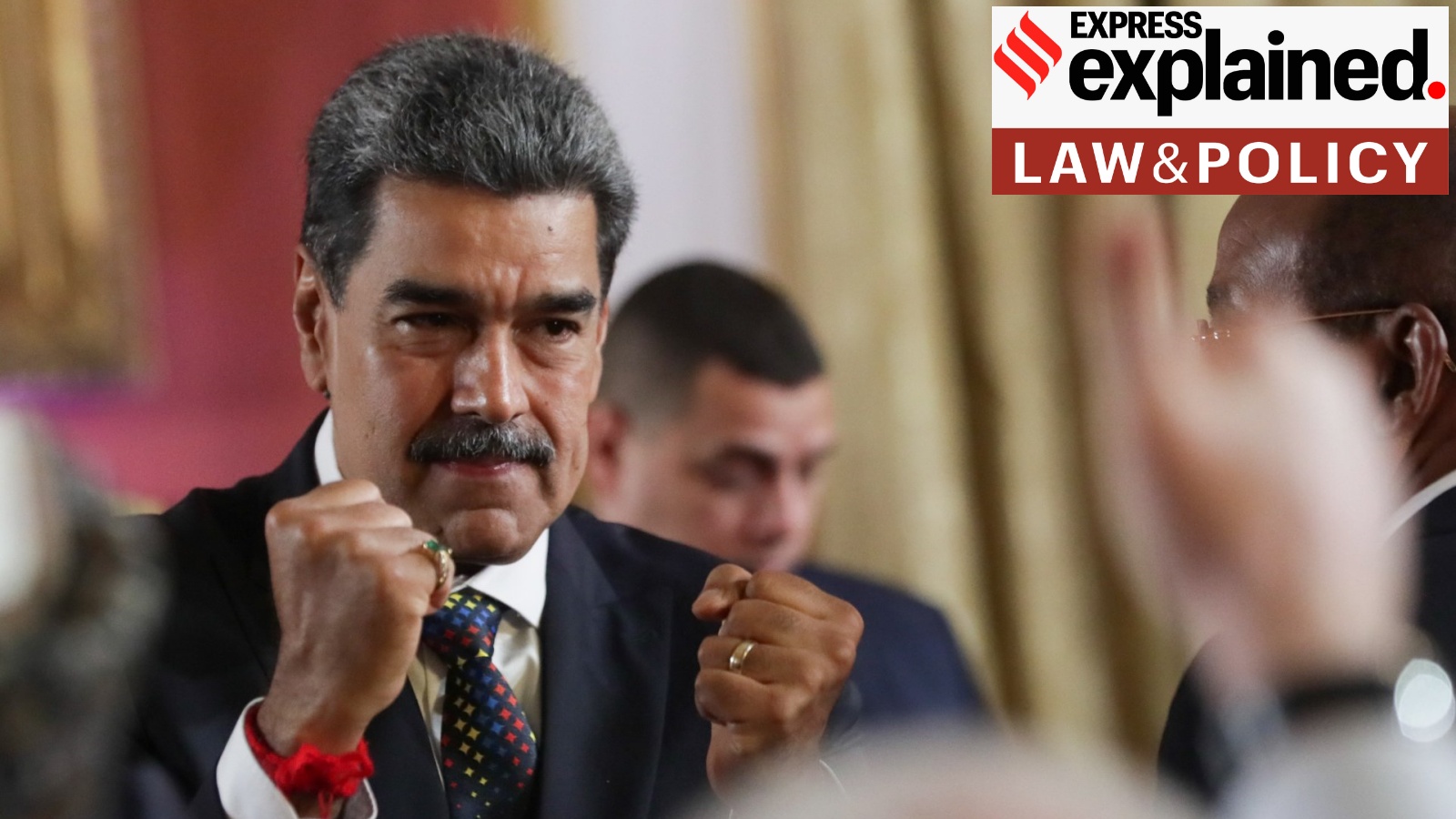
Nicolás Maduro, the former Venezuelan President, faces trial in the Southern District of New York for charges such as narco-terrorism, cocaine trafficking conspiracy, and firearms offences. The charges allege that Maduro led the “Cartel de los Soles,” designated as a Foreign Terrorist Organisation by the USA since 2025, and used Venezuela's state apparatus to flood the US with drugs.
His defence counsel argued before Judge Alvin Hellerstein that head-of-state immunity, based on the doctrine of "perfect equality and absolute independence of sovereigns," should protect Maduro from criminal prosecution. However, lawyers question whether a serving or recently deposed head-of-state can retain absolute immunity for grave offences like narco-terrorism and if Washington's refusal to recognise Maduro as Venezuela's president since 2019 affects his immunity.
US courts previously followed an absolute theory of immunity, granting immunity to foreign governments but not their commercial ones. In 1976, Congress moved the determination from the executive to the courts through the Foreign Sovereign Immunities Act, which makes foreign states presumptively immune unless certain exceptions apply.
The Supreme Court ruled in Samantar v Yousuf (2010) that the FSIA covers states and not individuals, leaving officials' immunity governed by common law and the executive's views. The closest precedent is United States v Noriega (1990), where Panama's de facto military ruler was denied immunity for narcotics charges as Washington did not recognise his legitimacy.
Other cases, like Lafontant v Aristide (1994), granted immunity to a sitting president despite orders for political assassination. These cases highlight that the deference US courts have to the executive's position on immunity, known as the "one voice" doctrine, has placed Maduro in a challenging position, as the executive prosecuting him may not extend recognition or immunity.
Written by urgent.news from The Indian Express's reporting — not their text. Machine-written — may contain errors; check the original before relying on it.