Why are bond yields rising and how does it affect me?
Rising bond yields raise borrowing costs and put pressure on other investments.
Long-term government bond yields across the globe have surged to multi-year highs in recent weeks, driving up borrowing costs and compounding pressure on other investments. As the US Treasury serves as a global benchmark for interest rates and asset valuations, its yields can influence a wide range of financial products, including Singapore government bonds, corporate bonds, share prices, exchange rates, and ultimately, borrowing costs in Singapore.
The yield on the 30-year US Treasury bond breached the 5.3% mark in August, marking its highest level since 2007. Similarly, long-term bond yields in Britain, Germany, and Japan have also risen to levels not seen in years.
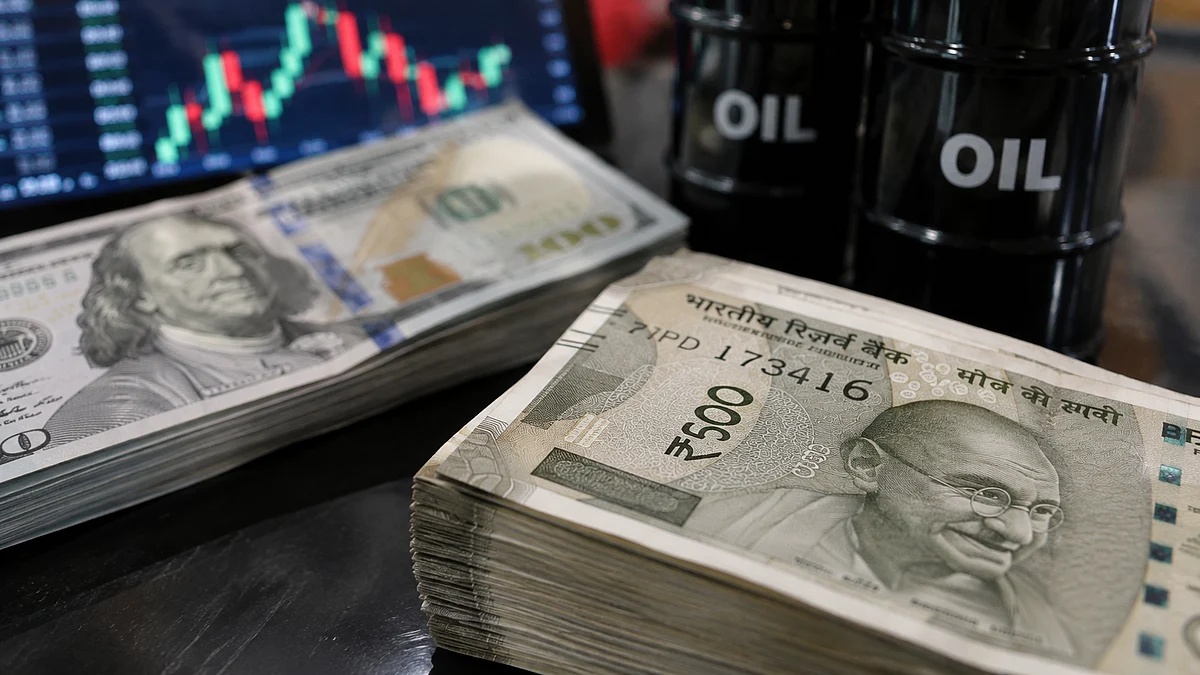
This upward trend is attributed to a combination of factors, including an increase in headline inflation caused by the ongoing energy crisis stemming from the prolonged Middle East conflict. Oil prices skyrocketed to $100 a barrel for Brent crude on September 9 due to the continued blockade around the Strait of Hormuz, a critical global shipping channel for oil and gas, which in turn raised prices for everything from fuel to food.
Moreover, the US is financing its war with Iran, adding to fiscal pressures that were already mounting before the conflict commenced. The federal government reported a deficit of $1.78 trillion (S$2.25 trillion) for the financial year ended September 2025, with its gross national debt surpassing $40 trillion, fueling concerns about the market's ability to absorb additional debt and the interest rates investors will demand.
Governments worldwide are tasked with financing infrastructure and defense investments, technological advancements, and growing social spending linked to aging populations. Meanwhile, companies must invest to adapt to emerging demands for artificial intelligence. Consequently, governments and businesses are vying more aggressively for investors' money, potentially elevating borrowing costs, particularly for longer-term funding, as Kelvin Tay, chief investment officer for Asia at Pictet Wealth Management, explained.
In response, investors now seek higher returns to lend money over extended periods, especially when elevated inflation threatens to diminish the value of future interest payments, pushing long-term bond yields upwards. Higher US bond yields typically bolster the US dollar, as increased capital flowing into US fixed-income markets can result in greater demand for the dollar. However, this time, higher yields do not guarantee a stronger US dollar due to concerns about the sustainability of US debt.
Uncertainty surrounding US economic policy, such as tariffs and fiscal outlook, has also dampened confidence in US assets, reducing the allure for international investors compared to other safe-haven assets like gold and the Singapore dollar. As a result, capital is being parked in these alternative assets rather than flowing into the US, keeping a lid on the dollar despite higher US yields, according to Goh Rong Ren, head of macro and thematics for Asian fixed income at Eastspring Investments.
For Singapore investors, the volatility of the US dollar can have implications, particularly since many hold US-based investments such as shares, ETFs, or other assets. A rise in the US stock market, for instance, may be mitigated by a decline in the greenback against the Singapore dollar, eroding gains for Singapore investors. The Monetary Authority of Singapore (MAS) closely monitors the relationship between Singapore Savings Bond (SSB) yields and those of other markets, as the US Treasury serves as a global benchmark for fixed-income markets.
Currently, Singapore government bond yields remain under 2.5%, significantly lower than their US counterparts.
Nevertheless, local inflation, monetary conditions, and currency hedging costs also play a role. Singapore's 10-year government bond yield remains well below the US rate, but should Singapore government securities yields continue to rise sustainably, future SSB issuances could offer higher returns. Bond yields, fundamentally, represent the cost of borrowing when banks lend money.
Consequently, long-term yields benchmark the cost of other loans, such as mortgages and corporate term loans. In Singapore, many floating-rate loans are linked to the Singapore Overnight Rate Average (SORA) rather than directly to the US 10-year yield. The Monetary Authority of Singapore (MAS) primarily employs monetary policy adjustments through exchange rate changes rather than policy interest rates, meaning that higher US yields create upward pressure but do not assure an immediate or equivalent rise in Singapore lending rates.
Local liquidity and competitive banking practices can help mitigate these effects, protecting existing fixed-rate borrowers during their fixed-rate periods.
Written by urgent.news from Straits Times Business's reporting — not their text. Machine-written — may contain errors; check the original before relying on it.