Rupee Takes A Sharp Hit, Plunges 34 Paise To 95.08 Against Dollar As Crude Crosses $100
Mumbai: The Indian rupee came under sharp pressure on Wednesday, falling 34 paise to close provisionally at 95.08 against the US dollar, as Brent crude crossed the $100-per-barrel mark amid escalating US-Iran tensions . Concerns over higher inflation, foreign fund outflows and weakness in domestic equity markets also weighed on the Indian currency. Rupee Touches 95.22 During Trade At the…
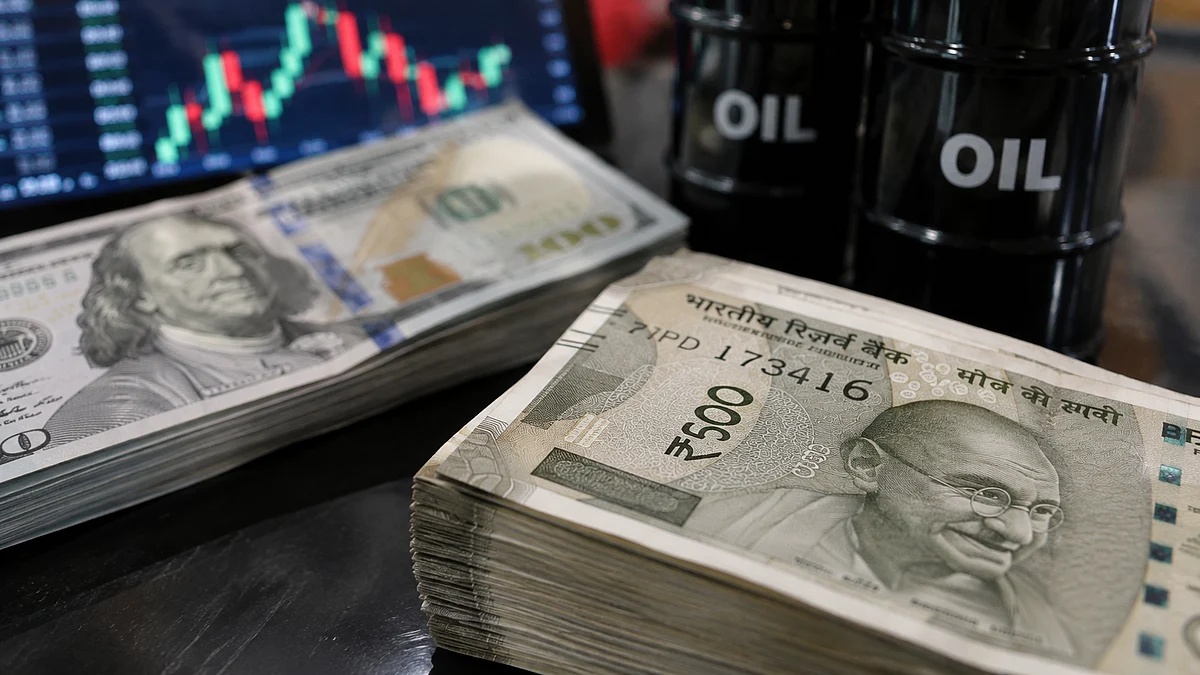
On Wednesday, the Indian rupee experienced a significant drop, plummeting 34 paise to trade at 95.08 against the US dollar, as crude oil prices surged past the $100-per-barrel threshold due to heightened tensions between the US and Iran. In addition to these factors, concerns over rising inflation, foreign fund outflows, and a weakening domestic equity market further pressured the Indian currency.
At the interbank foreign exchange market, the rupee opened at 94.80 against the US dollar, marking its intraday high. However, as oil prices climbed, the currency weakened to an intraday low of 95.22 before stabilizing at 95.08. Previously, it had closed at 94.74 in the prior session.
The rupee commenced the day on a weak note, slipping 10 paise to 94.66 against the US dollar in early trade. The dollar index, which measures the greenback's value relative to six major currencies, increased by 0.05% to reach 98.84. Brent crude futures surged 2.94%, reaching $100.73 per barrel, having crossed $100 for the first time in nearly six weeks.
This surge in oil prices stems from escalating attacks on energy infrastructure and ships in West Asia, which have heightened fears about already strained global oil supplies amid the US-Iran conflict.
Given India's heavy reliance on imported oil, a sustained rise in crude prices could elevate the country's import bill, exacerbate inflation, and further weaken the rupee. Foreign institutional investor outflows also contributed to the downward pressure on the USD-INR exchange rate. On Tuesday, FIIs sold Indian equities worth a net ₹123.19 crore.
Despite the market's decline, domestic markets witnessed another sharp sell-off, with the Sensex dropping 813.35 points to 74,764.23 and the Nifty falling 203.60 points to 23,431.50. The rupee's weakened position could persist if crude prices remain high and geopolitical tensions escalate; however, the direction of the US dollar may also impact its near-term trajectory.
Written by urgent.news from Free Press Journal's reporting — not their text. Machine-written — may contain errors; check the original before relying on it.
Also reported by 1 other outlet
- Rupee plunges 34 paise to 95.08 against dollar as crude prices surpass USD 100 mark economictimes.indiatimes.com