When climate-related hazards rise, so do barriers for people with disabilities
When climate-related hazards like floods, storms, extreme heat and landslides strike, roads can become impassable, homes unsafe and communities begin looking for ways to escape. But for persons with disabilities, the danger can be greater. An inaccessible route can become an impassable barrier. A warning delivered only through sound can leave a deaf person uninformed, […]
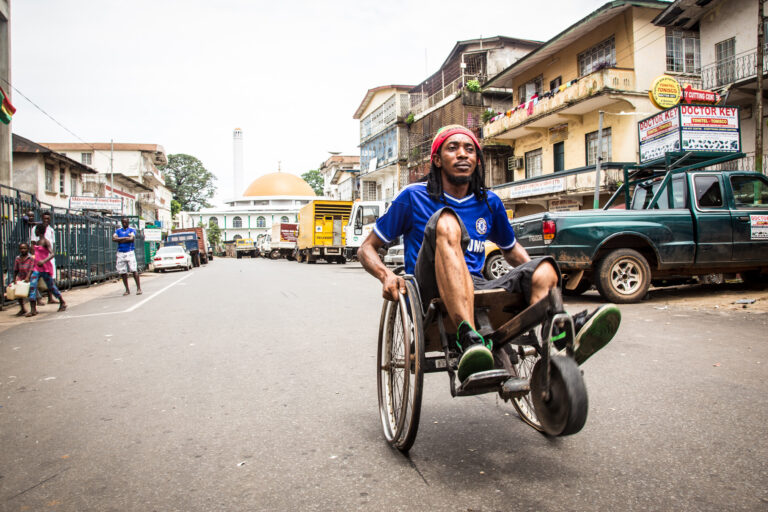
When climate-related hazards such as floods, storms, extreme heat and landslides occur, roads can become impassable, homes unsafe and communities may seek ways to escape. However, for individuals with disabilities, the danger can be more pronounced. An inaccessible route can turn into a barrier they cannot cross, a warning signal delivered solely through sound can leave a deaf person uninformed, and a shelter lacking accessible toilets, adequate space, or support can transform a place of refuge into another source of difficulty.
A new study conducted in Kerala, India, sheds light on how climate-related disasters can reveal these barriers and exacerbate the inequalities faced by people with disabilities. The research, published in Global Environmental Change, explores the experiences and responses of persons with disabilities to climate change. Between February 2023 and June 2024, researchers carried out 72 semi-structured interviews with individuals with disabilities, their caregivers, and institutional stakeholders.
While the study focused on Kerala, its findings hold relevance for sub-Saharan Africa and potentially other regions as well. Katherine Lofts, the study's lead author and a doctoral researcher at McGill University in Canada, stated to Mongabay that the team aimed to uncover the lived experiences of disability in the climate crisis and investigate what factors heighten or diminish vulnerability during climate-related disasters.
The findings reveal that policies alone do not automatically eliminate barriers on the ground. National Disaster Response Force personnel assist in moving flood victims to safer areas in Kerala, India. The study highlights the ongoing challenges faced by people with disabilities when climate-related hazards arise, emphasizing the need for inclusive disaster management strategies.
Written by urgent.news from Mongabay's reporting — not their text. Machine-written — may contain errors; check the original before relying on it.