Washington slams Chinese AI firms for ‘systematic’ theft of US model capabilities
WASHINGTON, Sept 9 — Washington accused top Chinese artificial intelligence labs including DeepSeek and Moonshot A...
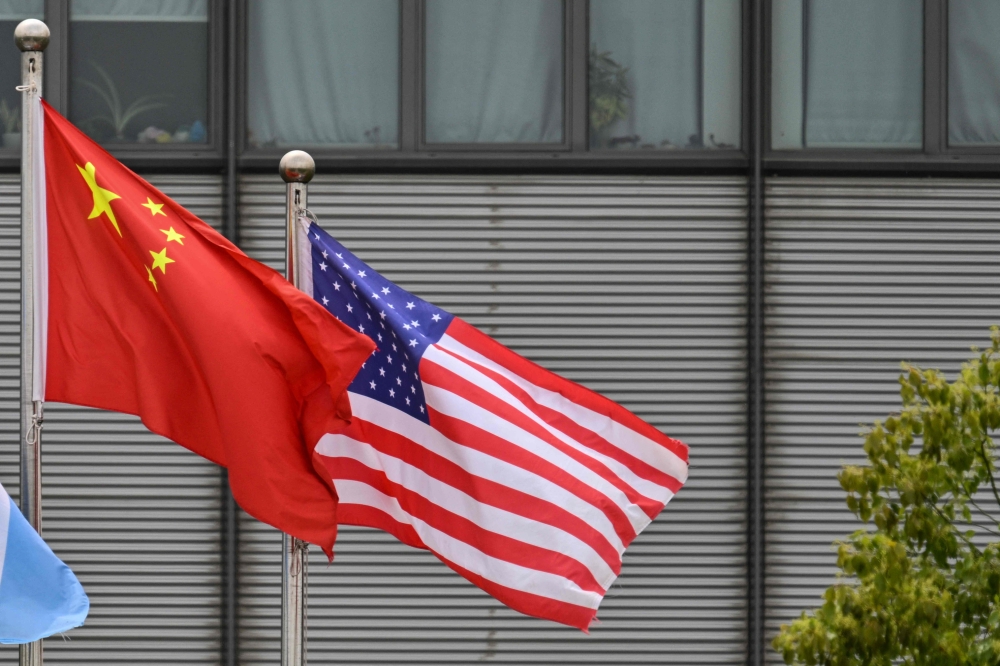
WASHINGTON, September 9 — The United States has accused prominent Chinese artificial intelligence firms, such as DeepSeek and Moonshot AI, of systematically pilfering the capabilities of American AI models. This revelation comes on the eve of a potential meeting between President Donald Trump and his Chinese counterpart, Xi Jinping, at the White House, where AI could be a significant topic of discussion.
The advisory, issued by the US cyber defense agency, follows several previous allegations of Chinese AI theft, attributed to a process called distillation. According to the advisory, Chinese AI companies are engaging in "industrial-scale knowledge distillation campaigns," which are integral to their AI development strategy. Distillation involves training an AI model to replicate the output of a larger, superior model.
While this technique is commonly used across the industry, the US claims Chinese firms have scaled up this practice to illicitly replicate American systems. Companies like DeepSeek, Moonshot AI, Alibaba, MiniMax, StepFun, and Z.AI are alleged to have employed millions of exchanges and requests to steal functionalities from US models developed by OpenAI, Anthropic, Google, and xAI.
These actions, "likely with Chinese government knowledge," have been ongoing since late 2024. The advisory suggests that Chinese entities benefit from significantly reduced training times and financial expenditures when adopting this strategy. Attempts to contact the Chinese companies apart from StepFun were unsuccessful. Moonshot AI declined to comment.
President Trump faces pressure to respond to the growing prowess of Chinese AI models, with many American companies preferring the more powerful but costlier US alternatives from Anthropic or OpenAI. In July, numerous startups penned a letter to the Trump administration, advising against outright bans or stringent restrictions on foreign-made AI models, suggesting such measures should only be considered for government use.
In response, Beijing accused US AI of utilizing Chinese examples to train their models. Asked about the allegations during a press briefing, Chinese foreign ministry spokeswoman Mao Ning stated she had not reviewed the specific US report, but China should avoid making unfounded accusations against China. She emphasized that China's AI development is a result of self-reliance and technological advancement. Both nations are major players in the AI field and should enhance cooperation.
Written by urgent.news from Malay Mail's reporting — not their text. Machine-written — may contain errors; check the original before relying on it.
This story
This is one outlet's version. Read the fullest account.
- Washington accuses Chinese AI firms of ‘systematic’ theft hongkongfp.com
- Washington accuses Chinese AI firms of ‘systematic’ theft from US rivals freemalaysiatoday.com
- Six Chinese AI firms accused of aggressively copying US frontier models arstechnica.com