Veteran Filmmaker Barbara Kopple Returns to Worker Struggles in ‘Union Town’ Doc
Venice Film Festival: 50 years after "Harlan County, USA," the acclaimed documentarian finds new stories to tell The post Veteran Filmmaker Barbara Kopple Returns to Worker Struggles in ‘Union Town’ Doc appeared first on TheWrap .
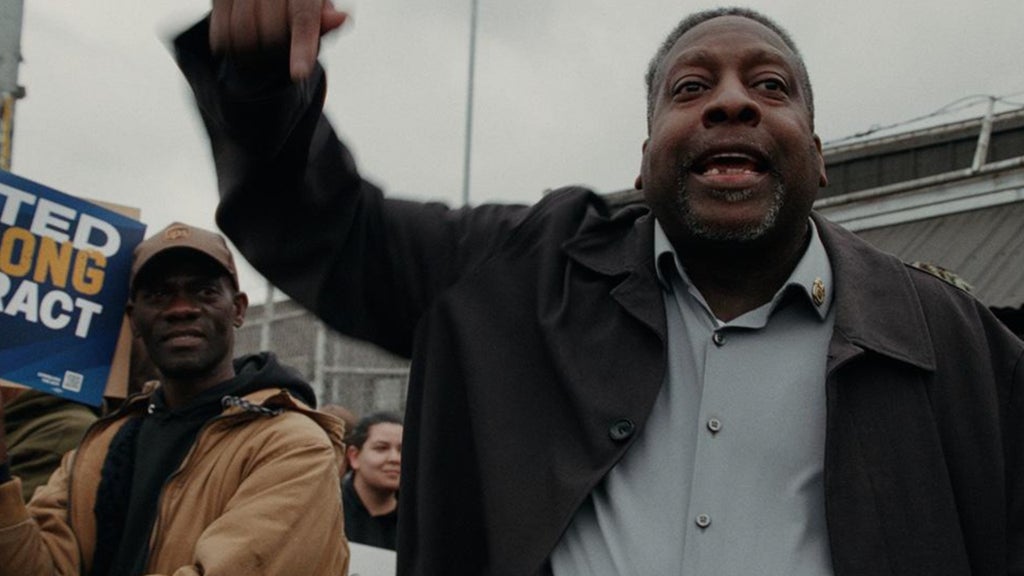
Legendary filmmaker Barbara Kopple, who earned an Oscar for her 1976 documentary "Harlan County, USA," returns to the issue of worker struggles in her latest film, "Union Town." Now 80 years old, Kopple has spent the past five decades chronicling the lives of ordinary people fighting for their rights, and she continues to be passionate about the topic despite labor and the working class falling out of the public eye in recent years.
"Union Town" is a follow-up to her previous documentary, focusing on the current gig economy, which is dominated by large corporations like Amazon, Uber, and Doordash. Kopple has spent three and a half years immersing herself in the lives of undocumented workers who make up approximately 90 percent of the "Deliveristas." These workers earn significantly less than those in traditional jobs, earning as little as $7/hour in New York before tips.
The film follows the stories of three deliveristas and their attempts to organize into a union. They face numerous challenges, including pay dockings, suspensions, and the constant threat of deportation. Kopple's personal approach, which involved living with the subjects and getting to know them as individuals, has once again yielded a groundbreaking documentary, much like her previous work.
One of the key differences between "Harlan County" and "Union Town" is the increased use of union-busting tactics by corporations, with some reportedly paying up to $15,000 per week. Despite this, Kopple believes that the importance of these workers cannot be underestimated. "Without these people, you will have nobody to do these jobs," she emphasizes. "Nobody will clean your house. Nobody will deliver things to you at these wages. It would be a whole different world."
Written by urgent.news from TheWrap's reporting — not their text. Machine-written — may contain errors; check the original before relying on it.