Treasury triples bond buy-back programme to $6bn
The US Treasury Department announced on Wednesday it will buy back up to $6 billion of government debt as it seeks to contain long-term borrowing costs. The move, which is triple the size of its normal operations, comes as Treasury yields have been rising in recent months, making borrowing costs higher for consumers. US Treasury yields are linked closely to Gulf states, where most currencies are…
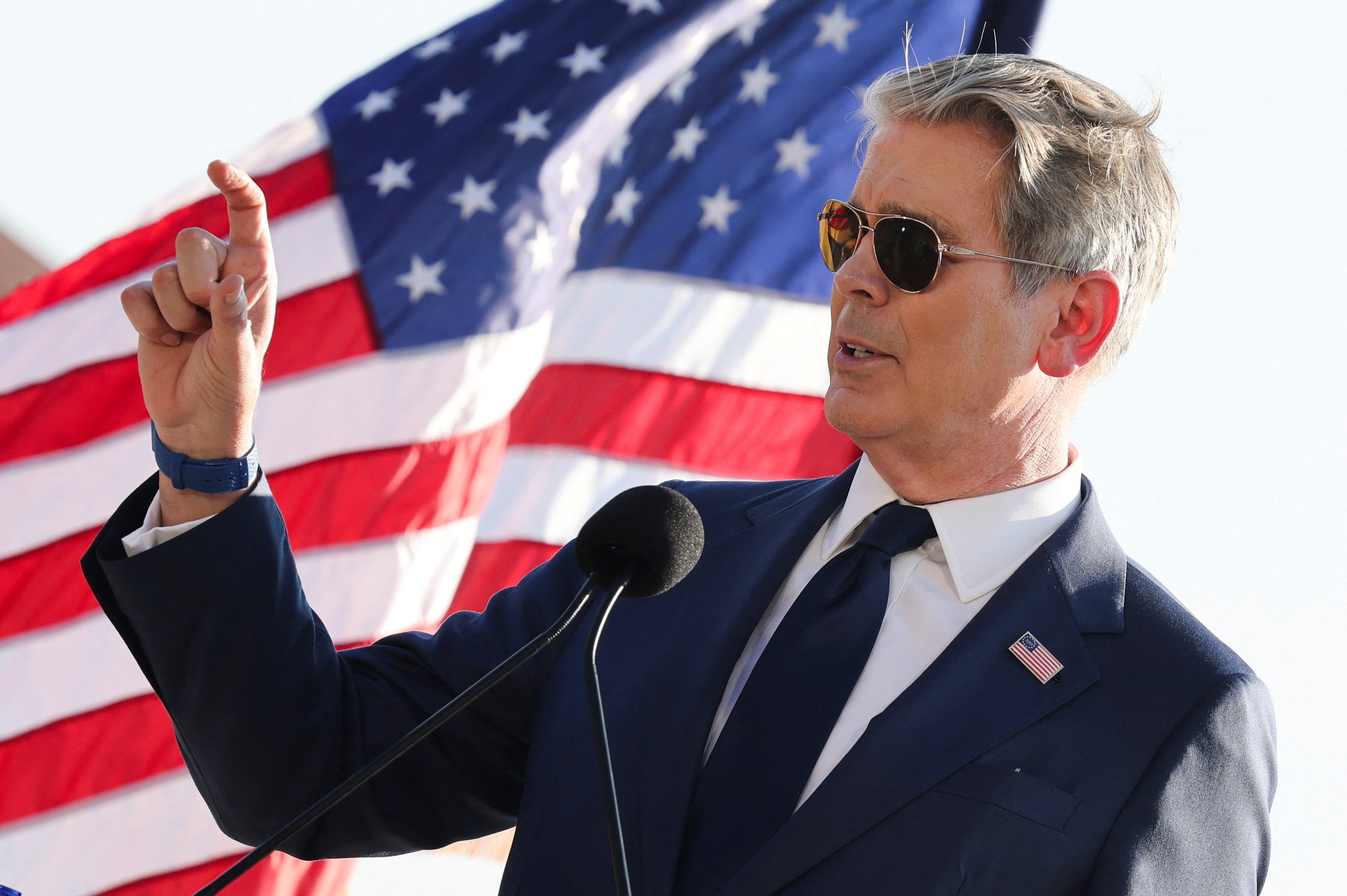
The US Treasury Department has announced it will triple its bond buy-back programme to $6 billion as it aims to control long-term borrowing expenses. This decision follows a recent surge in Treasury yields, which have increased consumer borrowing costs. These yields are closely tied to Gulf states, where most currencies are pegged to the US dollar.
The Treasury Department hinted at this move last month as long-term yields neared two-decade highs due to concerns over rising government debt exceeding $40 trillion and oil-inflated inflation.
Treasury Secretary Scott Bessent stated during a Breitbart News event that the programme was designed to alleviate the rising fever in the bonds market. Despite the announcement, Treasury yields continued to rise, with the 10-year note increasing by more than 3 basis points to 4.835 percent and the 30-year note up by more than 2 basis points at 5.289 percent. The two-year Treasury, closely linked to Federal Reserve policy moves, saw a rise of over two basis points to 4.423 percent.
The increase in yields coincides with escalating tensions in the Middle East, particularly between Iran and the US, which have led to attacks on tankers in the Gulf. This has caused oil prices to surge, breaching the $100-a-barrel mark once again. Additionally, the conflict has prompted some Gulf states to borrow more money to compensate for reduced oil revenues due to the closure of the Strait of Hormuz and Iranian attacks on key energy sites.
Justin Alexander, director of Khalij Economics, commented on the rising yields during an event at the Arab Gulf States Institute. While most Gulf sovereigns' spreads over US Treasuries have either narrowed or remained stable so far, a prolonged conflict could widen these spreads. Alexander noted that this would increase the financing costs for the region, especially for countries like Kuwait, Qatar, and Bahrain, which may need to borrow large sums of money.
Few Gulf states have issued debt during the war; Saudi Arabia raised $3.25 billion through a two-tranche sukuk last week, Kuwait sold $6 billion of bonds in July, and Bahrain raised $1 billion via a bond issuance in June.
Written by urgent.news from The National UAE's reporting — not their text. Machine-written — may contain errors; check the original before relying on it.
Also reported by 4 other outlets
- Treasury triples bond buy-back programme to $6bn thenationalnews.com
- 'I am the house now': U.S. Treasury Secretary Scott Bessent Dares Investors to Short the Yen, as the Treasury Announces a Longer-Dated Bond Repurchase Up to $6 Billion nasdaq.com
- 'I am the house now': U.S. Treasury Secretary Scott Bessent Dares Investors to Short the Yen, as the Treasury Announces a Longer-Dated Bond Repurchase Up to $6 Billion fool.com
- Treasury Department to buy back up to $6 billion in longer-term debt, triple the normal level cnbc.com