This Is the Biggest 2D Map of the Universe. Here’s How to Use It
The map covers 75% of the sky, and you can explore all sorts of cool celestial objects once you know where to look.
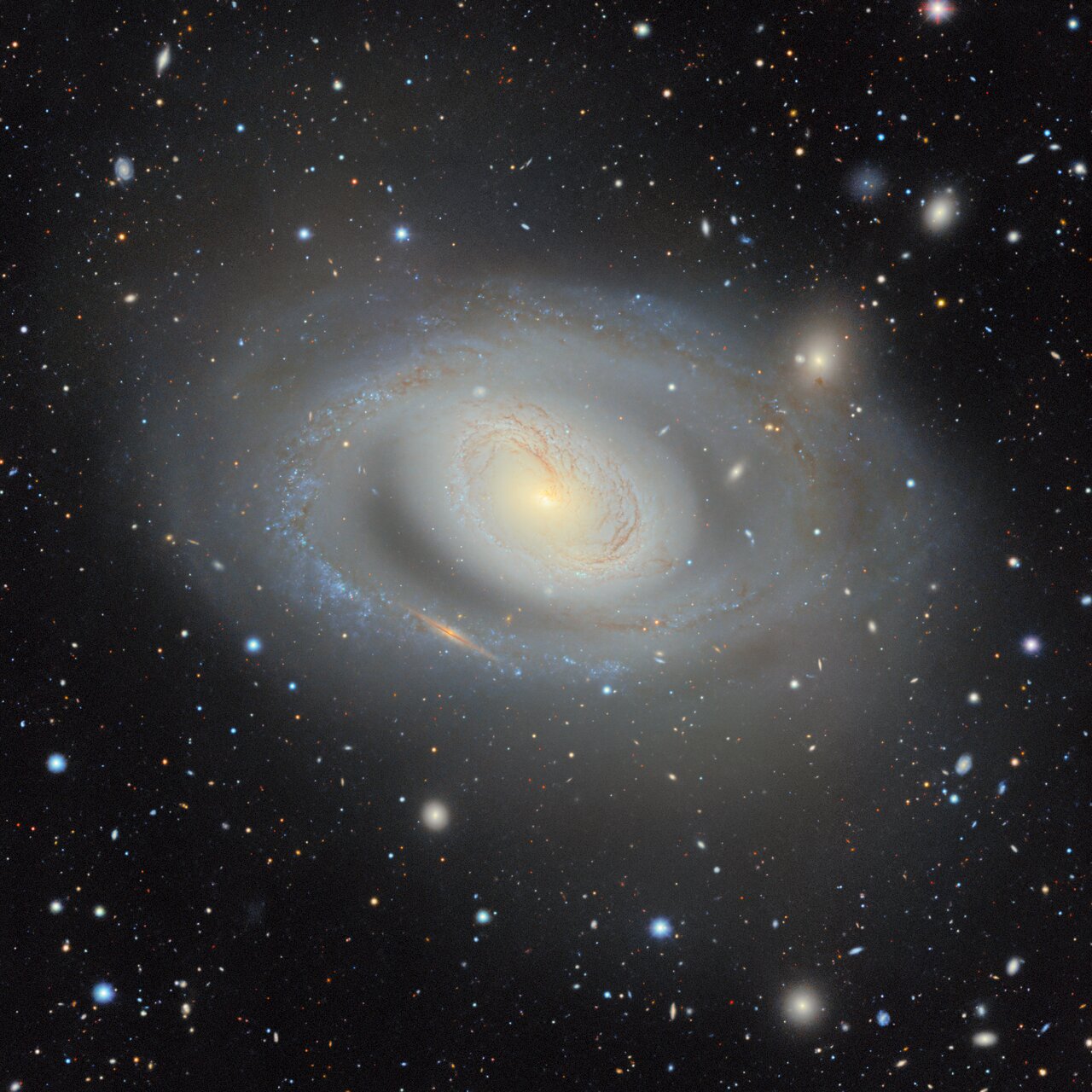
A groundbreaking map of the night sky, called Data Release 11 (DR11), has been released, marking the largest 2D map of the cosmos to date. Created by the DESI Legacy Imaging Surveys team, a collaboration between NSF NOIRLab, Lawrence Berkeley National Laboratory, and other agencies, the map covers 75% of the sky in 5.6 trillion pixels. DR11 builds upon its predecessor, DR9, and includes northern sky coverage from DR10.
The map catalogs an astounding 4 billion celestial objects, including stars, galaxies, black holes, and asteroids, in both visible and near-infrared light. It has already been cited in over 1,800 research papers and is expected to remain the premier 2D map for years. DR11 not only helped identify 60 million targets for the DESI project but also aided in the creation of a full 3D map, which was completed in 2026 and is set for future expansions.
To explore DR11, users can visit the online platform and begin by adjusting the four basic settings: zoom, contrast, brightness, and jump to object. Starting with a zoom level between 20 and 50 arc minutes and leaving contrast and brightness on default settings often yields the best results. The jump to object box allows users to type in the names of celestial bodies to find them on the map.
Zooming in on stars, such as Arcturus or LHS 1140b, reveals their true size and distance, while black holes like Sagittarius A* remain invisible behind blank bands due to their obstructive properties.
Researchers encourage exploration of the remaining blank spots on the map, which represent uncharted areas of the sky. These gaps are caused by factors like space dust, bright stars, and black holes. Users can also experiment with overlays, which include datasets from various telescopes, instruments, and surveys, to enrich their experience.
Written by urgent.news from CNET's reporting — not their text. Machine-written — may contain errors; check the original before relying on it.