This haunting photo shows what a seal would see in their last moments – just before the polar bear launches a deadly attack
Meet the polar bear who found a hidden camera under Arctic ice, looked it dead in the eye, then fell asleep above it for nine hours
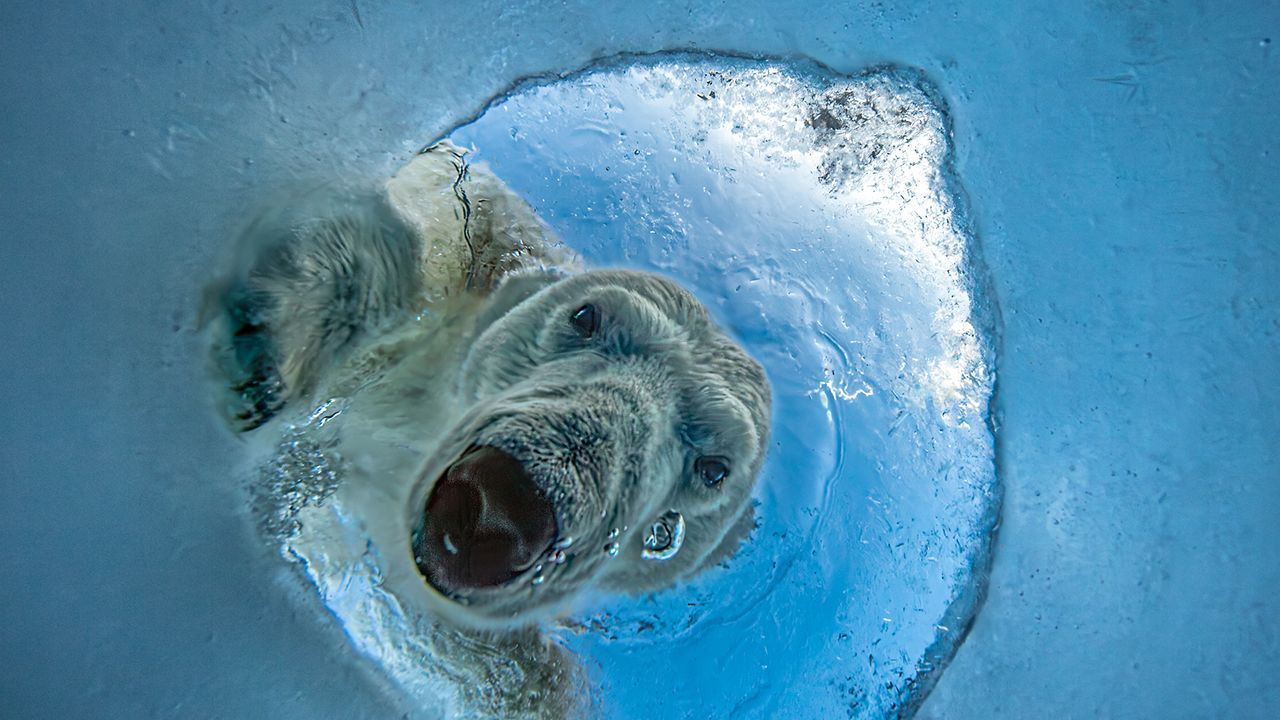
In pursuit of a captivating image, Arctic photographer Audun Rikardsen invested three years in planning, employing a motion sensor and drilling through ice to obtain an exceptional close-up of a polar bear. This photograph, titled "A Seal's Last Sight," secured the Grand Prize in the California Academy of Sciences' 13th annual BigPicture: Natural World Photography Competition, out of over 7,400 submissions from 64 nations.
The image depicts a polar bear observing a seal through a breathing hole in drift ice, situated north of Svalbard, a Norwegian archipelago positioned roughly midway between mainland Norway and the North Pole. This unique viewpoint captures the final moments of a seal's life, showcasing one of nature's most magnificent creatures.
To capture this image, Rikardsen meticulously located a breathing hole that was already occupied by a polar bear. After years of unsuccessful attempts, he finally discovered an area with fresh bear tracks. He drilled through the ice, positioned his camera beneath the hole, attached a motion sensor, and waited. Eight hours later, at 4 am, the polar bear arrived, pushing its head through the thin ice covering the hole, blowing its nose, and staring directly into the lens.
Instead of leaving, the bear ultimately lay down and fell asleep atop the submerged rig. Rikardsen had to wait an additional nine hours before retrieving his camera, totaling 17 hours of waiting. For such an extended period, he opted for a simple yet effective setup, using a Canon EOS 6D DSLR paired with a wide prime lens. He set the camera to f/9 with pattern metering and manual white balance, as no one was present to adjust the settings once the bear appeared.
This remarkable achievement, made possible by years of scouting and perseverance in some of the Earth's harshest weather and terrain, emphasizes the importance of determination and patience in wildlife photography.
Written by urgent.news from Digital Camera World's reporting — not their text. Machine-written — may contain errors; check the original before relying on it.