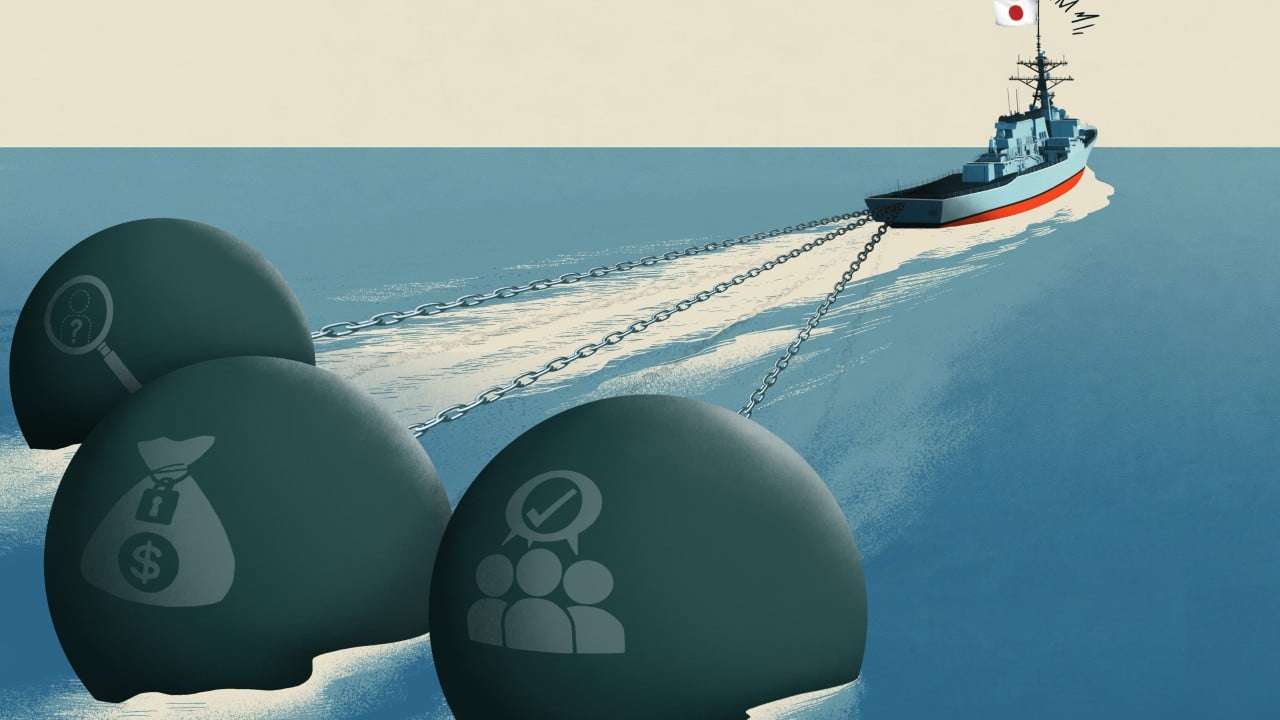
The RBA hoped this year’s three interest rate rises would tame inflation – but nothing is going their way
The breakdown of the US-Iran ceasefire, rising oil prices and the explosion in data centre investment are making the central bank’s task harder Follow our Australia news live blog for latest updates Get our breaking news email , free app or daily news podcast For five years the Reserve Bank has been trying to wrangle inflation back to its 2.5% target, and for years it has essentially failed. The…

The Reserve Bank of Australia (RBA) has faced significant challenges in its efforts to control inflation, despite implementing three interest rate hikes this year. The central bank's task has become even more difficult due to various factors, including the breakdown of the US-Iran ceasefire, rising oil prices, and a surge in data centre investment.
For the past five years, the RBA has been striving to bring inflation back to its target of 2.5%, but has largely failed, resulting in a cost of living crisis that has caused widespread discontent among the community. Andrew Hauser, the RBA's deputy governor, acknowledged the public's frustration with persistent inflation that has remained above target for an extended period. Hauser stated that they will decide to act only when it is deemed necessary.
The RBA's nine-member board had hoped that the three interest rate hikes would be sufficient to gradually bring inflation under control and reach the 2.5% target by the end of next year. However, recent developments, such as the collapse of the US-Iran ceasefire resulting in heightened tensions and increased oil tanker strikes in the Strait of Hormuz, have caused global oil prices to surge above $100 a barrel for the first time since July. Fuel prices are now approaching $2.10 a litre for unleaded and $2.50 for diesel.
Additionally, a sudden increase in data centre investment has added pressure to an already struggling construction sector due to material and labor shortages, which are necessary for the construction of homes, roads, and rails. While households are experiencing higher living costs and declining sentiment, they continue to spend, maintaining a level of consumption growth.
Despite these challenges, productivity in Australia remains stagnant, making it difficult to achieve economic growth without triggering inflation. Financial markets are pricing in a more than 70% probability of another interest rate hike on September 29, with a growing likelihood of a second hike by the end of the year.
Hauser emphasized that the RBA has made a deliberate decision to raise interest rates gradually to preserve jobs in the country, recognizing that the labor market remains at a record-low unemployment rate. The central bank acknowledges that inflation is a significant problem, leading to its three interest rate hikes at the beginning of the year. However, they are now grappling with the question of whether they have done enough or if more action is required.
Written by urgent.news from The Guardian Australia's reporting — not their text. Machine-written — may contain errors; check the original before relying on it.
This story
This is one outlet's version. Read the fullest account.