Tanker war 2.0: How US-Iran ship attacks are escalating
The US and Iran are opening a new front in their six-month-old war : a battle at sea that is increasingly turning commercial shipping into a target and risks repeating the “Tanker War” of the 1980s. The escalation follows the emergence of a tit-for-tat policy of attacks on tankers approved by US President Donald Trump that risks pulling Gulf states, outside powers and global energy markets deeper…
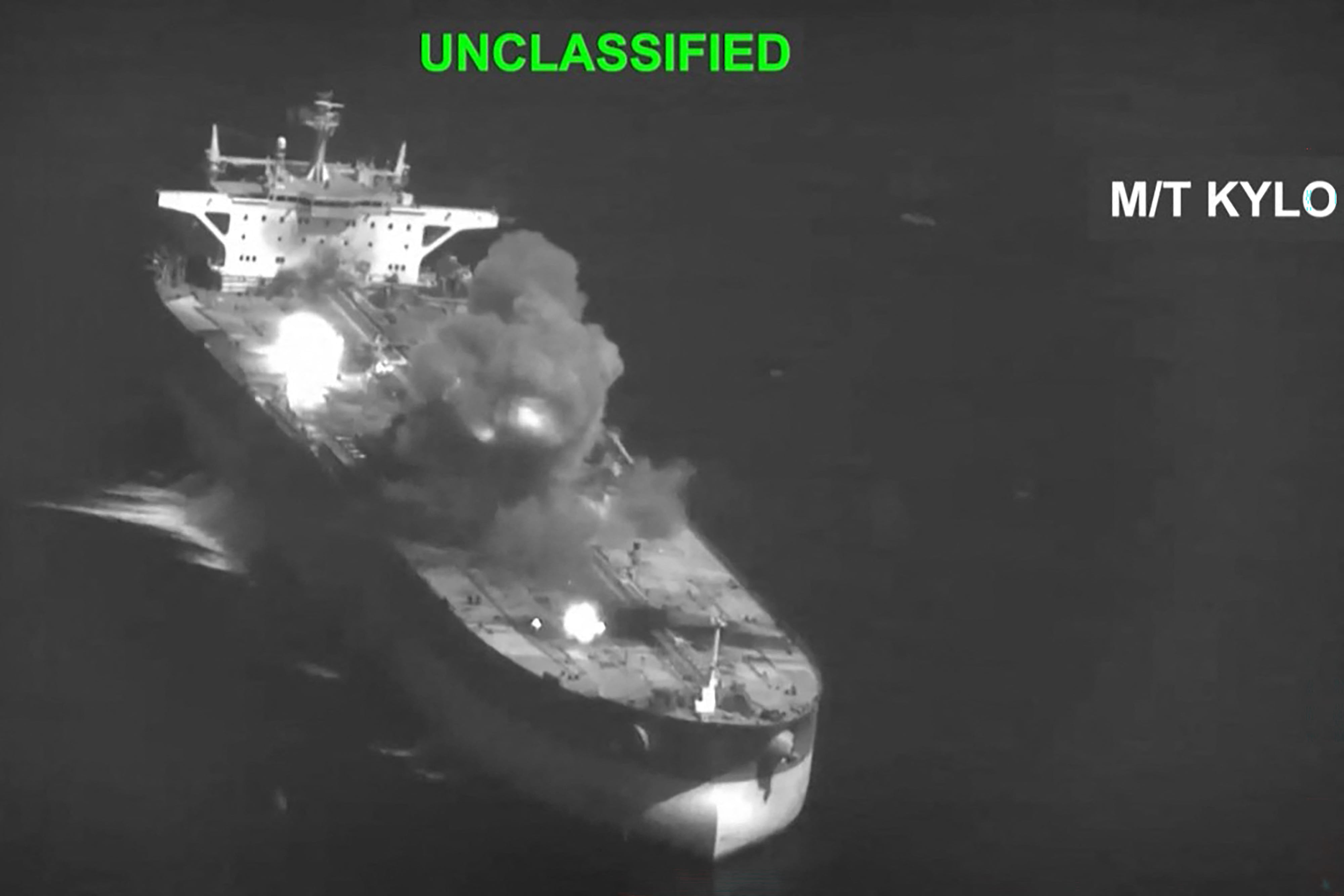
The United States and Iran are engaged in a new phase of their six-month conflict, targeting commercial shipping and raising fears of a repeat of the 1980s "Tanker War." The conflict intensified after Iran's Islamic Revolutionary Guard Corps (IRGC) launched ballistic missiles at two U.S. Navy warships, which narrowly avoided destruction.
In response, the U.S. struck three Iranian oil tankers, crippling two and destroying a third. On Wednesday, Iran retaliated by attacking U.S. warships and commercial vessels, accusing them of violating a restricted zone near the Strait of Hormuz. Iran also threatened oil tankers near Bahrain and Kuwait, and fired 20 ballistic missiles at a U.S. military base in Jordan, though most were intercepted.
The escalating cycle of attacks sees each side imposing a higher economic cost on the other, potentially drawing in Gulf states and global energy markets. This "escalatory trap" mirrors the 1980s Tanker War, where Iran and Iraq targeted oil and merchant vessels, deepening regional tensions and threatening global oil security.
Written by urgent.news from The National Business's reporting — not their text. Machine-written — may contain errors; check the original before relying on it.
This story
This is one outlet's version. Read the fullest account.
- Tanker war 2.0: How US-Iran ship attacks are escalating thenationalnews.com
- Oil tanker hit in Iraqi waters, as vessels get caught in US-Iran attacks al-monitor.com
- Oil tanker hit in Iraqi waters, as vessels get caught in US-Iran attacks koreatimes.co.kr