Russia is still trying to make its Starlink competitor work — 32 new Rassvet satellites launched into orbit, but it still isn't enough to operate fully
Russia has launched 32 Rassvet satellites, though orbital problems, limited launch capacity, and insufficient numbers continue delaying full commercial service.
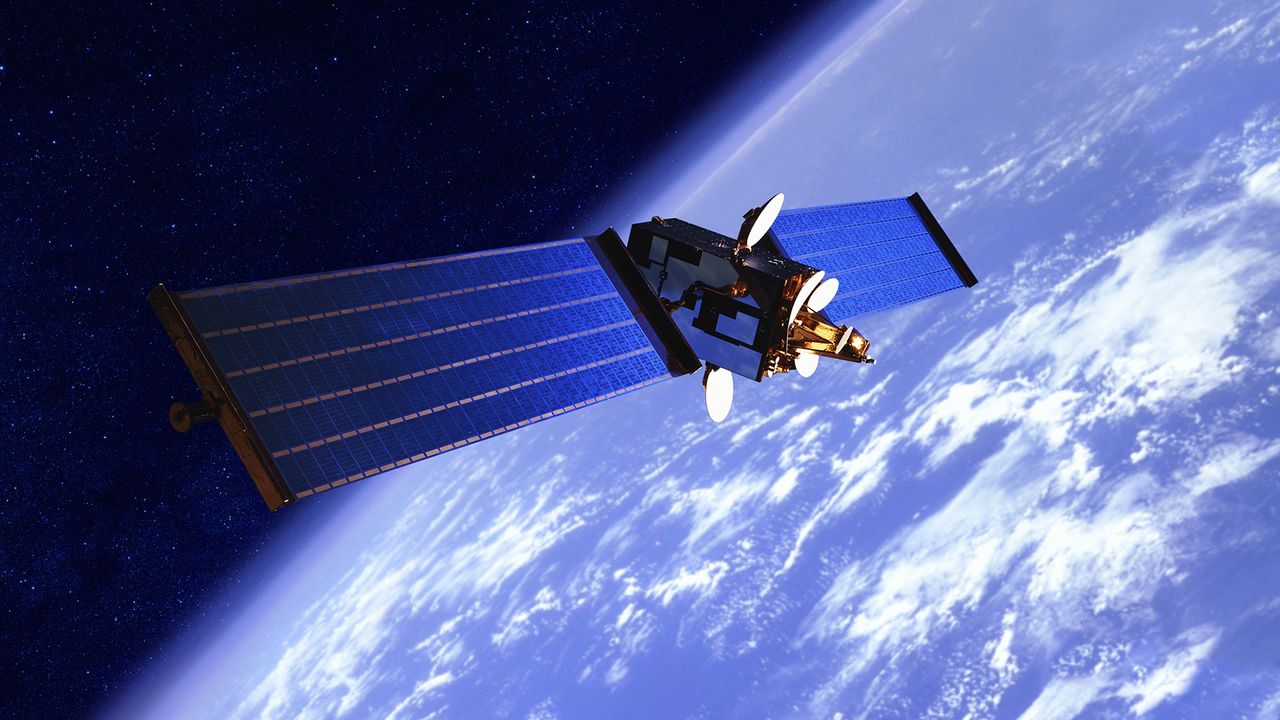
Russia launched 32 Rassvet communications satellites, but coverage remains limited and technical issues have raised doubts about progress. Ukraine's Defense Intelligence chief, Oleh Ivashchenko, stated that the existing constellation cannot deliver reliable communications across the areas Russia intends to serve. Russia plans to launch 156 satellites in 2026, followed by 292 by 2027, 318 by 2028, and about 900 by 2035.
However, the current fleet is far from providing continuous coverage, as reported by Defense Express on August 25, 2026, which mentioned one Rassvet-3 satellite lost and two others potentially reentering the atmosphere. The technical difficulties encountered could complicate Russia's schedule and create additional pressure on future launches.
Building the planned network would require 18 Soyuz-2.1b missions, but Russia currently carries out only six to eight launches annually, creating another obstacle. Despite these setbacks, Russia continues developing Rassvet, but the current constellation remains unable to provide the continuous connectivity expected from a fully operational network.
Written by urgent.news from TechRadar's reporting — not their text. Machine-written — may contain errors; check the original before relying on it.