Africa's rocks hold ancient stories. We need better ways to document and protect them
From the Vredefort Dome in South Africa (the world's oldest and largest known meteorite impact structure) to the volcanic lakes of the Great Rift Valley in Kenya, Africa's landscapes hold some of Earth's oldest stories. Morocco's M'Goun UNESCO Global Geopark records more than 200 million years of geological history, while Tanzania's Ngorongoro-Lengai landscape brings together a vast caldera, an…

Africa's geological wonders, from ancient impact craters to volcanic lakes, hold invaluable stories about Earth's past. However, many of these sites remain poorly documented and unevenly protected. Countries lack comprehensive inventories of geological sites, legal protection varies, and awareness is limited. This lack of visibility makes it harder for researchers, educators, visitors, and funders to find and appreciate Africa's geological heritage.
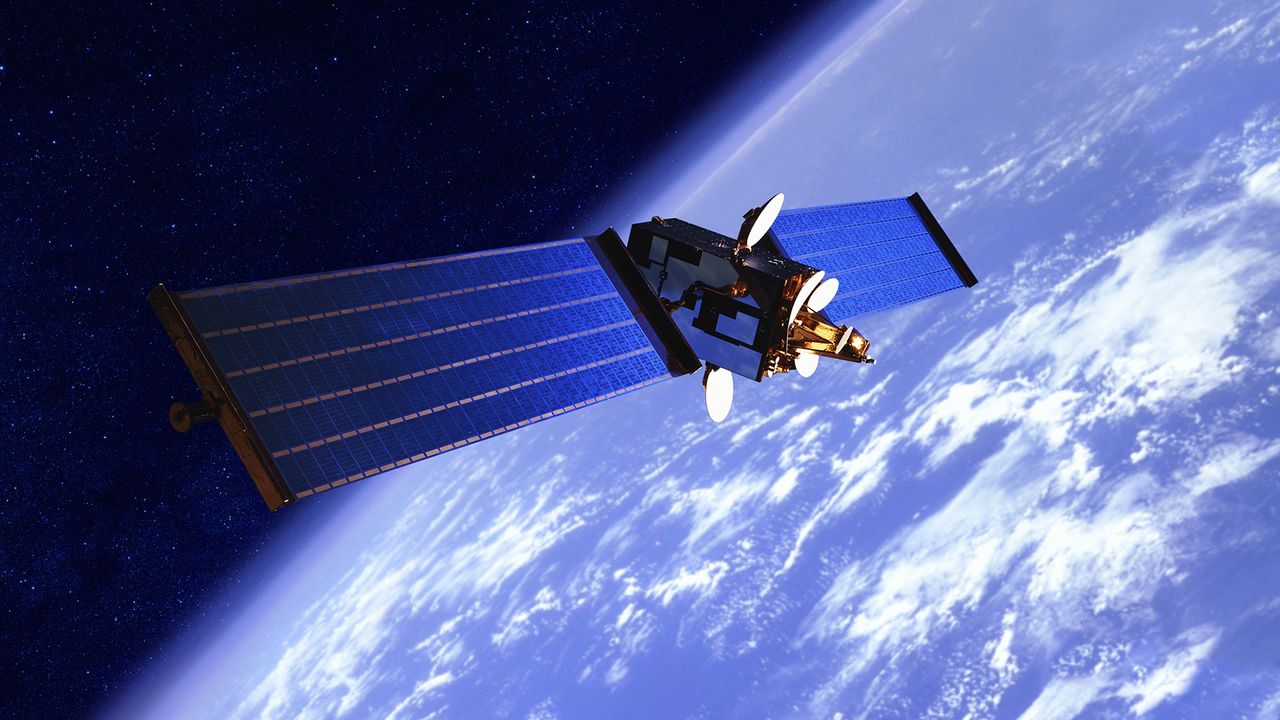
Digital tools like geographic information systems, satellite imagery, drones, and 3D modeling offer solutions. These technologies can document changes, assess risks, and provide accessible learning opportunities. For instance, the M Goun UNESCO Global Geopark in Morocco uses an interactive map and virtual tours to showcase its geological sites. Similarly, the African Fossils virtual laboratory allows global users to examine 3D models of fossils and artifacts from Kenya's Lake Turkana region.
Despite these promising initiatives, Africa's geoheritage remains underrepresented in international research. A study analyzing Scopus and Web of Science databases found that only 31 of 885 geoheritage publications concerned Africa, and fewer than 4% of the results ranked Africa among the top 10 global contributors. Many nations with rich geological histories, such as Ethiopia, had little representation.
Closing this gap requires better documentation, which supports protection, creates economic opportunities, and makes Earth science more relevant to African students. Digital records provide evidence of a site's importance and condition, enabling decision-makers to safeguard these treasures. Moreover, they can stimulate local economies by supporting tourism, accommodation, and other related businesses.
Ultimately, expanding Africa's presence in global geoheritage research is crucial for a complete understanding of Earth's history.
Written by urgent.news from Phys.org's reporting — not their text. Machine-written — may contain errors; check the original before relying on it.