On the strange, literary video games of Inpatient Press.
The indie publisher Inpatient Press is doing fascinating, form-breaking work. The small publisher has been putting out fascinating novels, collections, zines and games since 2013. Inpatient’s publisher, Mitch Anzuoni, studied computer science and creative writing in college (fittingly) and aims
Inpatient Press, an indie publisher founded in 2013, is making waves with their innovative form-breaking work that spans novels, collections, zines and games. Publisher Mitch Anzuoni, a former computer science and creative writing student, aims to publish "what others do not," focusing on the treatment of books as substantial objects in their own right.
This has led to various experiments in form and distribution, like a series of zines sold via newspaper vending machines, including Armageddon News, a collection of leaflets and FBI communications targeting student activists.
Inpatient Press has also published work by Samuel R. Delaney and Copi, as well as archival projects such as a complete reprint of the legendary SF punk zine Search & Destroy. Their games are geared more towards fiction fans than traditional gamers, blending humor, critique, and surrealism. Their first game, "Small Press Tycoon," puts players in charge of a small publisher trying to chase metrics like "hipness" and "quality" by printing chapbooks and zines, holding readings, discovering new authors, signing distribution deals, and winning industry awards.
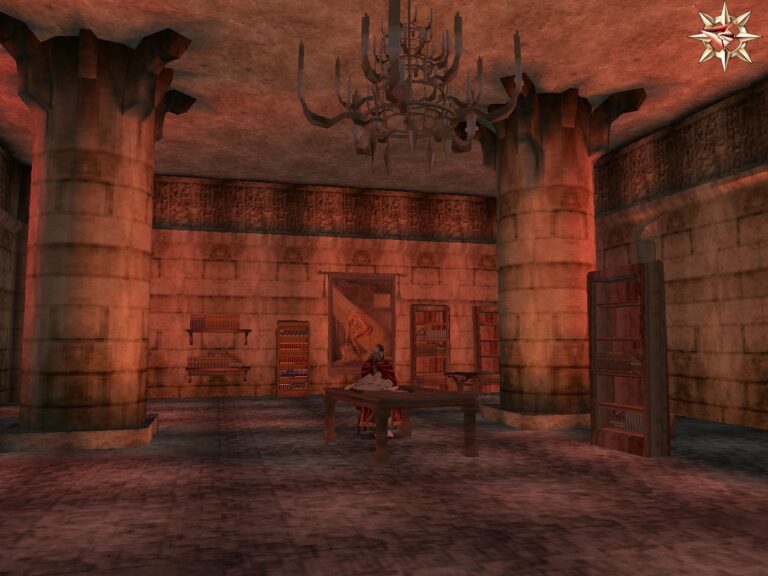
The company's latest game, "Ex Libris," released in April, is perhaps the most literary of the bunch. Players start at the entrance of the Abbey of Theleme, a dark, sunken monastery in the mythic Middle Ages. As they navigate through the abbey, they encounter scattered travelers, locals, and various books and scrolls. The game's moody music, polygonal characters, and text presented in multiple languages create an eerie and mystical experience.
The writing is rich and varied, drawing from authors such as Umberto Eco, Francois Rabelais, Clark Ashton Smith, and Marguerite Porete. The gameplay encourages exploration and reading, offering a unique, narrative-driven experience that differs from traditional gaming.
Written by urgent.news from Literary Hub's reporting — not their text. Machine-written — may contain errors; check the original before relying on it.