NST Leader: Sarawak's healthcare lifeline needs stronger safeguards
THE helicopter crash at Long Lellang is a particularly tragic reminder of the risks some healthcare workers take to simply to reach Malaysians who live far from hospitals and clinics.
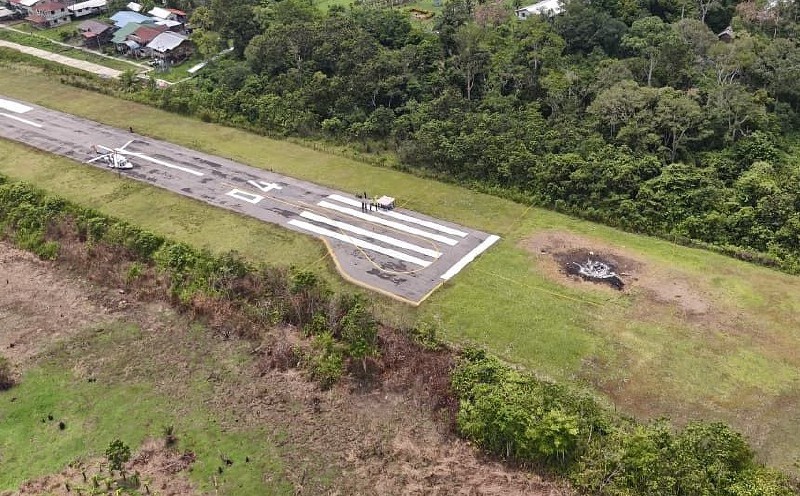
The crash of a helicopter delivering healthcare services to Long Lellang has highlighted the risks faced by those who risk their lives to reach remote areas in Sarawak. The tragedy serves as a stark reminder that access to healthcare is not solely about constructing hospitals, but also about implementing alternative forms of delivery, such as air services.
The steep, mountainous terrain of Sarawak makes it challenging for helicopters to land, with limited escape routes and the impossibility of forced landings. The official investigation by Malaysia's Air Accident Investigation Bureau (AAIB) is currently underway, and the final report will provide valuable insights into the causes of the crash.
For now, the focus must be on mourning the loss of the five individuals who lost their lives, and then examining ways to enhance the safety of medical outreach missions in remote areas.
Written by urgent.news from New Straits Times's reporting — not their text. Machine-written — may contain errors; check the original before relying on it.