NASA's newly launched Roman Space Telescope will 'directly' image exoplanets. But what does that mean?
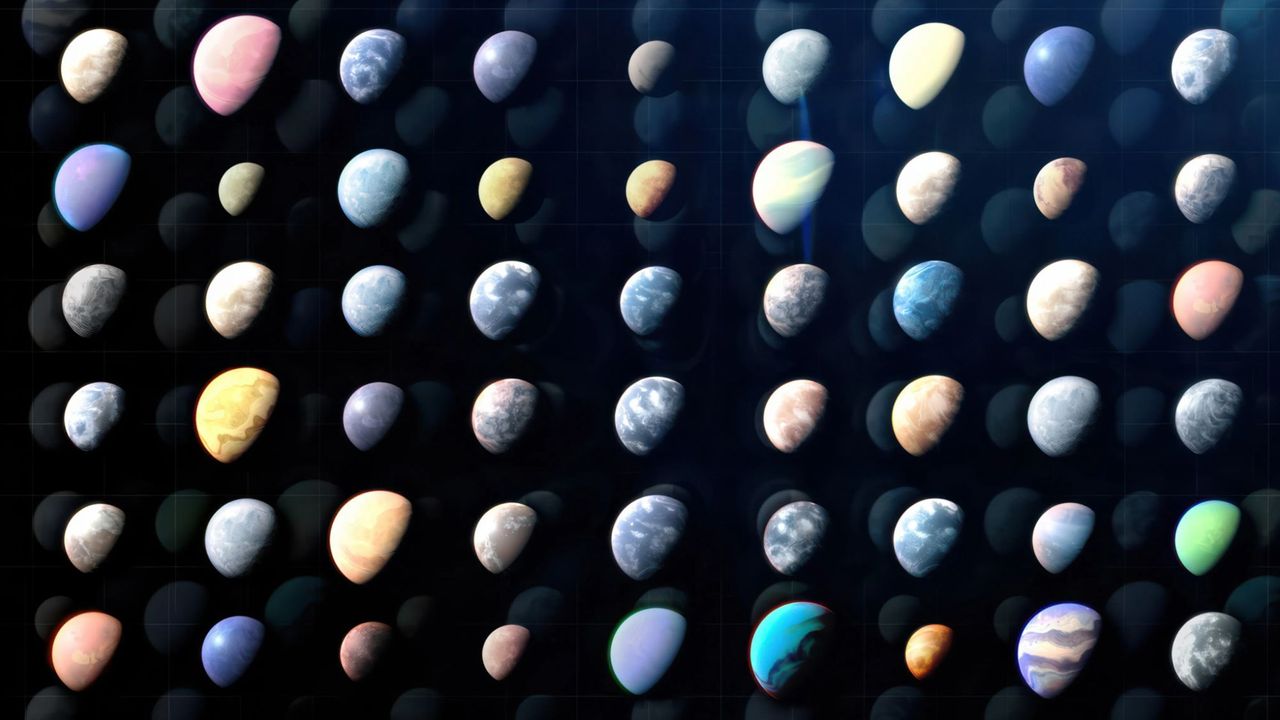
The Nancy Grace Roman Space Telescope, launched on August 30, is equipped with a groundbreaking device that can directly photograph planets beyond our solar system. This tool, known as a coronagraph, works by blocking out the light of a star, allowing scientists to study the features surrounding it. The coronagraph aboard Roman is the most advanced ever placed in space, with the potential to capture images of distant worlds, much like the famous "Pale Blue Dot" photograph of Earth taken by Voyager 1.
Coronagraphs are not entirely new; they are used to study our sun and have even been employed to create artificial eclipses. However, the coronagraph on the Roman Space Telescope is unique. It uses a combination of patterned disks and filters to block out starlight, allowing fainter planets to become visible. This is achieved by creating destructive interference with the star's light, which cancels out the waves of light and leaves only the light reflected off the planets.
Roman's coronagraph can detect exoplanets that are 100 million times fainter than their stars, thanks to its ability to adjust mirrors in real-time to maintain the delicate balance of destructive interference. This is made possible by the telescope's deformable mirrors, which can change shape to correct for distortions caused by light reflecting off the mirrors.
Scientists are most interested in observing nearby star systems that have hints of Jupiter-like planets, as well as any remnants of dust and debris from the process of planet formation. This could provide valuable insights into the birth of our own planet, Earth, and also pave the way for the future Habitable Worlds Observatory.
Written by urgent.news from Space.com's reporting — not their text. Machine-written — may contain errors; check the original before relying on it.