Most Gulf bourses in red as Middle East conflict escalates
Most Gulf stock markets closed lower on Wednesday as the intensifying Middle East conflict and mounting energy security risks weighed on investor sentiment. The conflict escalated sharply after Houthi forces launched strikes across several Saudi cities, setting key oil installations ablaze and drawing a crucial U.S. ally deeper into hostilities. The confrontation worsened after U.S. forces struck…
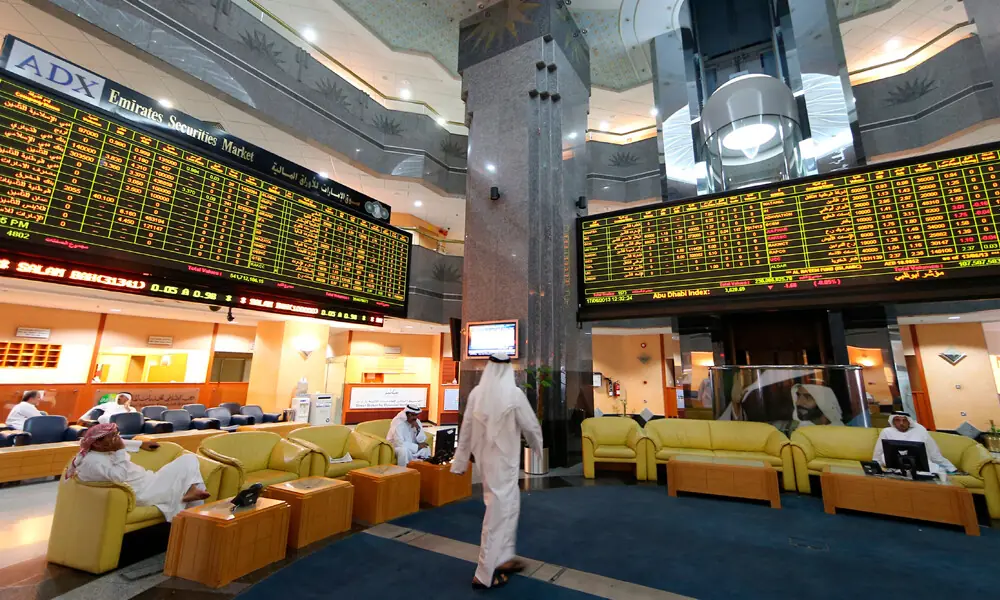
Gulf stock markets fell on Wednesday as heightened tensions in the Middle East and growing concerns over energy security dampened investor confidence. The conflict intensified following Houthi attacks on Saudi cities, causing damage to oil installations. U.S. forces retaliated by striking Iranian oil tankers, which led to counterattacks on commercial ships and an attack on a U.S. military base in Jordan.
This multi-pronged escalation threatens regional energy production and key trade pathways. Notably, the Red Sea route, an alternative to the congested Strait of Hormuz, remains vulnerable to further disruptions. Saudi Arabia's index dropped 0.2%, propelled by a 1.7% decline in the nation's largest lender, Saudi National Bank. Brent crude prices surged by $2.77, or 2.83%, reaching $100.69 a barrel.
Major banks, such as Goldman Sachs and Bank of America, revised upward their oil price projections, citing reduced supplies as crude prices climbed to recent multi-week peaks. Dubai's main share index decreased by 0.3%, partly due to a 1.8% slide in the performance of top lender Emirates NBD. Ongoing geopolitical tensions continue to heighten regional uncertainty, with regular tanker attacks in the Strait of Hormuz, maritime congestion, and tit-for-tat attacks keeping energy supply risks at elevated levels, according to Joseph Dahrieh, managing director at Tickmill.
"The focus remains on the Oman-Iran waterway management agreement and its potential impact on maritime security," Dahrieh noted. Moving forward, Dahrieh pointed out that geopolitical instability will likely remain the main hindrance for GCC equities, potentially suppressing sentiment during flare-ups, while tangible de-escalation could lead to a market rebound.
Nevertheless, strong domestic fundamentals are anticipated to cushion broader downside risks. In Abu Dhabi, the index rose by 0.9%. Qatar's index slipped by 0.1%, with petrochemical company Industries Qatar falling 1.9%. Outside the Gulf region, Egypt's main index increased by 0.6%.
Written by urgent.news from Business Recorder's reporting — not their text. Machine-written — may contain errors; check the original before relying on it.
Also reported by 3 other outlets
- South Korean shares fall over 1% as Middle East conflict escalates brecorder.com
- Brent rises above $107 as Middle East tensions threaten supply businessday.ng
- Costly fuel looms amid renewed Middle East hostilities businessdailyafrica.com