Microsoft bets on on‑device AI, but faces pricing hurdles in SA
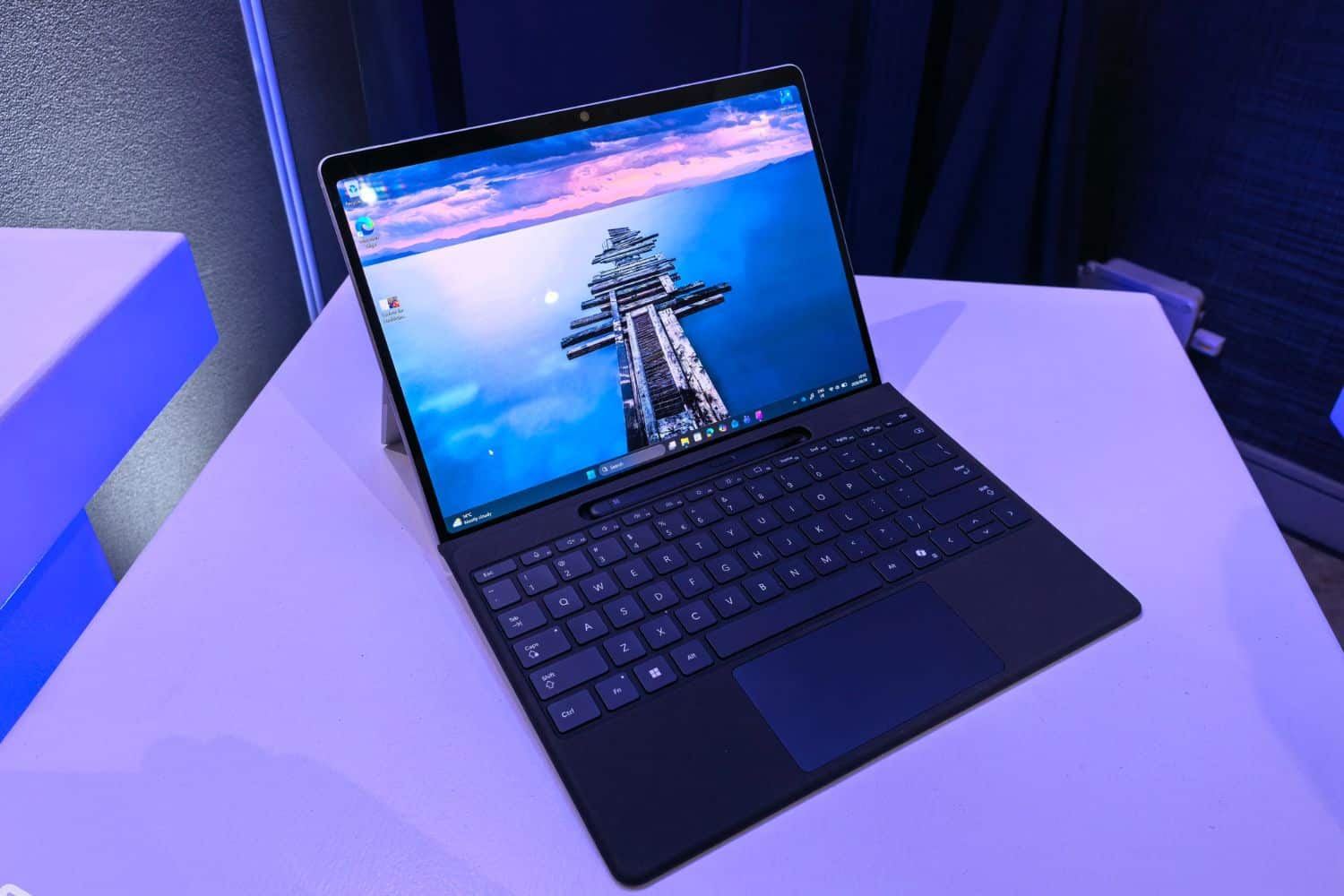
As AI technology gains traction, Microsoft is pushing for on-device AI as a new frontier, driven by rising cloud costs, privacy concerns, and the need for faster processing. During a recent partner event in Sandton, John Press, Microsoft's business unit head for Surface at Core Group, emphasized that integrating AI directly into hardware is becoming critical for the Surface brand's future.
This shift reflects a growing demand from businesses to process workloads locally, rather than solely relying on cloud services. Press explained, "The more we can push those workloads onto devices, particularly the ones that are repetitive, the more these devices are going to make sense." He warned that companies are increasingly wary of the rising costs associated with cloud-based AI models.
Microsoft's strategy focuses on embedding neural processing units (NPUs) into Surface devices, enabling them to handle AI tasks like risk assessment, design applications, and workflow automation without transmitting sensitive data to the cloud. This approach not only cuts costs but also enhances privacy. The company's Surface devices are known for their premium design and durability, with rigorous testing covering everything from hinge cycles to keyboard wear and moisture resistance.
Engineers have even fine-tuned the "click" of the closing device and the feel of the keyboard to ensure top-notch quality.
The upcoming Surface Ultra, touted as an Apple MacBook killer, is positioned as a high-performance machine for creators and developers. It boasts up to 128GB of unified memory, NVIDIA's RTX Spark GPU, and one petaflop of AI compute. This device promises to allow professionals to run massive models locally, reducing dependence on cloud infrastructure.
However, challenges remain. The premium pricing of these advanced devices could limit their adoption in South Africa's cost-sensitive market. Microsoft must demonstrate that embedded AI delivers tangible benefits beyond mere marketing claims. Core Group announced that the Surface Laptop Ultra will launch locally, though specific pricing and release dates have not been revealed.
This device aims to handle heavy workloads such as video editing, 3D rendering, and AI development, while also addressing concerns about cloud costs and data privacy.
The competition is fierce, as the Surface Ultra will enter a market dominated by Apple's MacBook, Lenovo's ThinkPad series, and high-end devices from HP and Dell. Despite Microsoft's focus on premium productivity and tight integration with the Windows ecosystem, the challenge lies in convincing cost-conscious buyers that the added AI capabilities, superior design, and increased durability justify the higher price point, especially in a market where affordability and reliable after-sales support are crucial factors.
Written by urgent.news from The Citizen's reporting — not their text. Machine-written — may contain errors; check the original before relying on it.