Marginalisation of Malaysian Indians: vulnerabilities and interventions
State-led structural opportunities can only achieve maximum efficacy when paired with grassroots agencies and a community-driven commitment to systemic change.
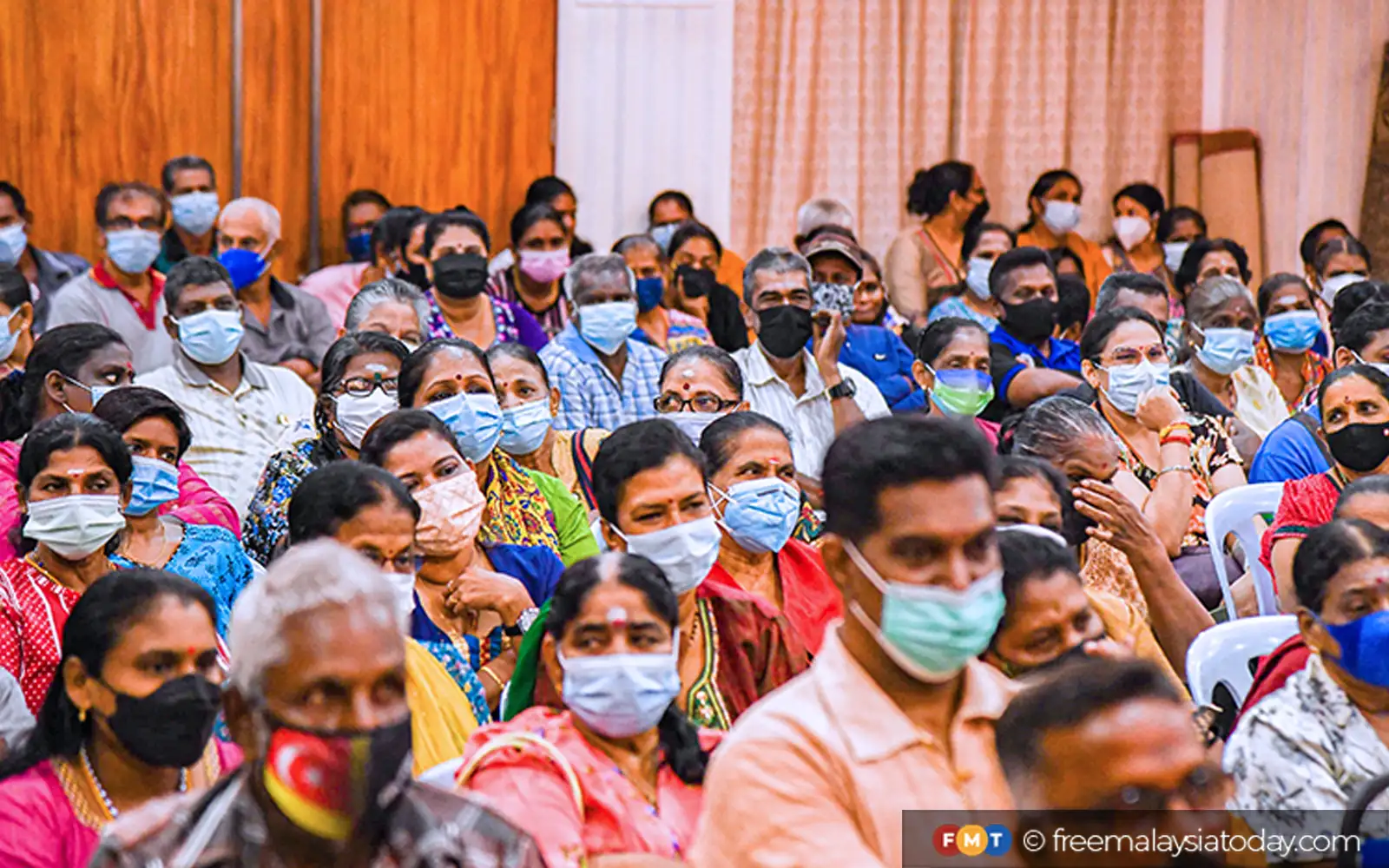
The socio-economic plight of Malaysia's Indian community persists, a legacy of colonial-era indentured labor practices. Post-independence, economic restructuring and land fragmentation left many plantation workers jobless and displaced. Unable to access formal education or gain essential skills, a large segment migrated to urban outskirts, leading to squatter settlements and statelessness due to undocumented status.
Income distribution is highly unequal, with only the top 20% and middle 40% enjoying wealth. Yet, even the broader bottom 40%, which encompasses about 8.5% of the Indian population, grapples with chronic financial instability. Despite government welfare programs like Sumbangan Tunai Rahmah and Mitra, an estimated 65,000 individuals or 15,000 households still live below the poverty line.
The primary challenge lies in the community's concentration of poverty at the bottom of the workforce. Among the bottom 40%, roughly 22,000 families live in precarious conditions with monthly incomes between RM1,000 and RM2,000. This makes them extremely vulnerable to inflation, medical emergencies, or other unexpected costs.
The situation is further exacerbated by documentation issues and political fragmentation. Many low-income Indians lack proper birth registration or identification cards, preventing them from accessing welfare programs, education, and other state benefits. Political representation has also been fragmented, with competing political entities and election-based material inducements failing to create a unified voice for the community.
Education poses another significant barrier. While primary education is accessible, the transition to secondary school can be challenging due to language barriers. Many students struggle academically, leading to dropout rates that only second indigenous Orang Asli children. Privileged Indian families often circumvent this by opting for private, international, or overseas education in English.
To uplift this marginalized population, a two-pronged approach is necessary. First, educational integration and language competency must be improved. Students should be encouraged to complete secondary education in national schools, fostering linguistic skills in Malay and English while promoting inter-ethnic socialization and career aspirations.
Second, micro-finance access should be expanded through structured systems like Amanah Ikhtiar Malaysia's peer-validation models. This empowers micro-entrepreneurs, enabling them to create self-sustaining livelihoods beyond reliance on temporary government subsidies.
Written by urgent.news from Free Malaysia Today's reporting — not their text. Machine-written — may contain errors; check the original before relying on it.
This story
This is one outlet's version. Read the fullest account.
- Marginalisation of Malaysian Indians: vulnerabilities and interventions freemalaysiatoday.com