Kenya’s foreign-trader crackdown exposes an economic fault line
Kenya’s President Ruto is drawing a sharper distinction between the foreigners he says the economy needs and those he says are taking opportunities from Kenyans
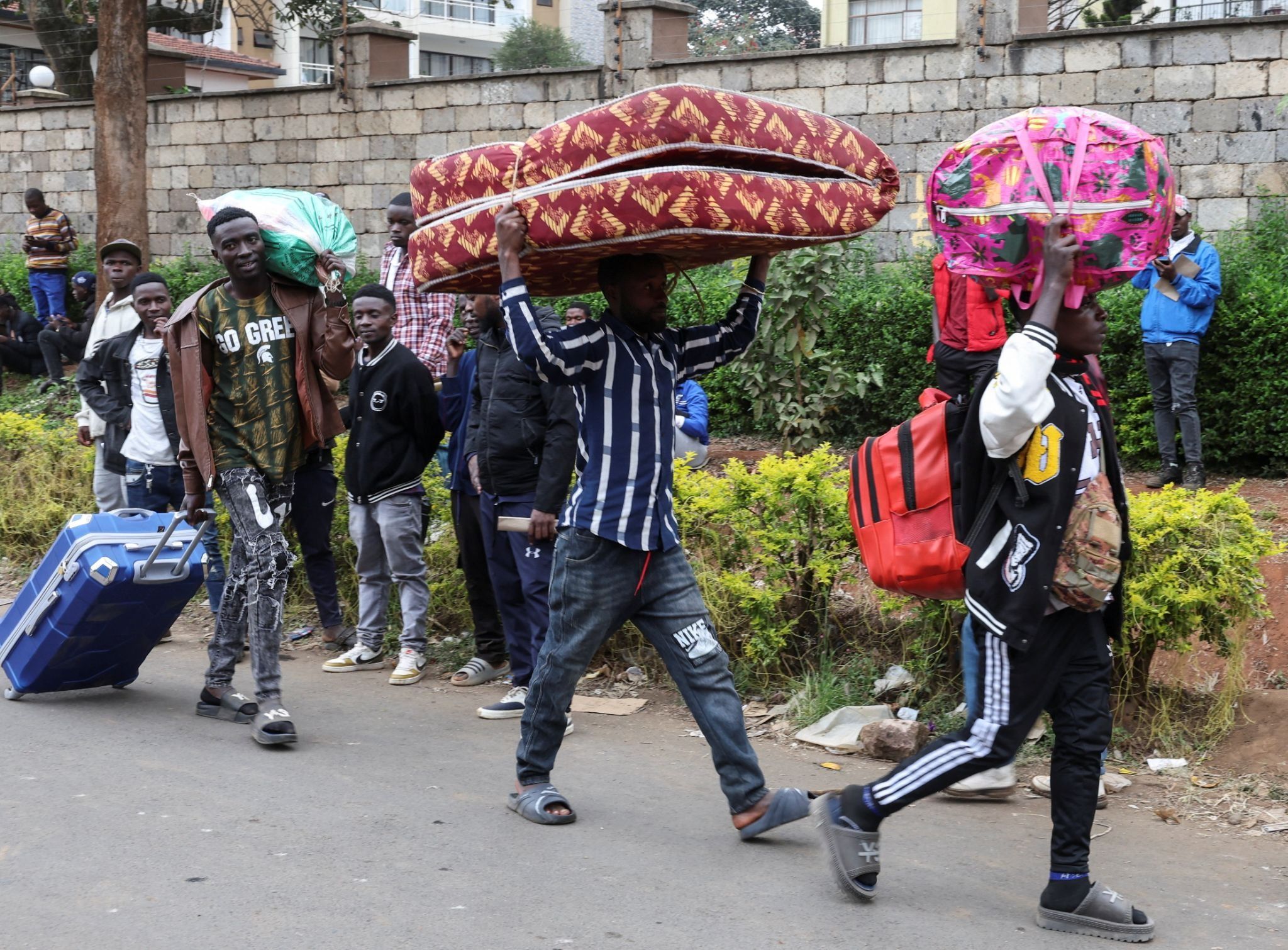
Kenya's government crackdown on small-scale foreign traders has exposed a growing tension in President William Ruto's economic agenda. The policy aims to balance protecting Kenyan jobs while allowing overseas capital and regional trade. However, Ruto's directive has left hundreds of Burundian traders fearing harassment and violence at the Nairobi embassy, seeking travel documents.
Ruto has made a clear distinction between the foreign investment Kenya seeks and small-scale foreign businesses he claims unfairly compete with locals. He stated that the investor confidence built around Kenya is for investors, not traders and hawkers. Despite efforts to soften the policy, some foreign traders feel unwelcome, with one Burundian trader stating the move is unfair and that no Kenyan wants the jobs they do.
The government has offered a 90-day window for undocumented East Africans to regularize their status but insists this is about enforcing immigration and business rules, not targeting foreigners. Ruto has also warned against xenophobia and harassment. However, the broader trend is evident: Kenya is increasingly dictating where foreigners fit in the country's economic hierarchy.
The policy raises questions about Kenya's role as a champion of freer movement and regional integration. The crackdown puts this Pan-African vision in tension with a more protectionist domestic politics, especially as Ruto faces a challenging reelection campaign in August 2027.
Written by urgent.news from Semafor's reporting — not their text. Machine-written — may contain errors; check the original before relying on it.