INEC: Gap Between Women Participation As Voters, Political Leaders Substantial
Adedayo Akinwale in Abuja The Independent National Electoral Commission (INEC) has lamented that the gap between women’s participation as voters and their participation as political leaders is substantial. INEC Chairman,
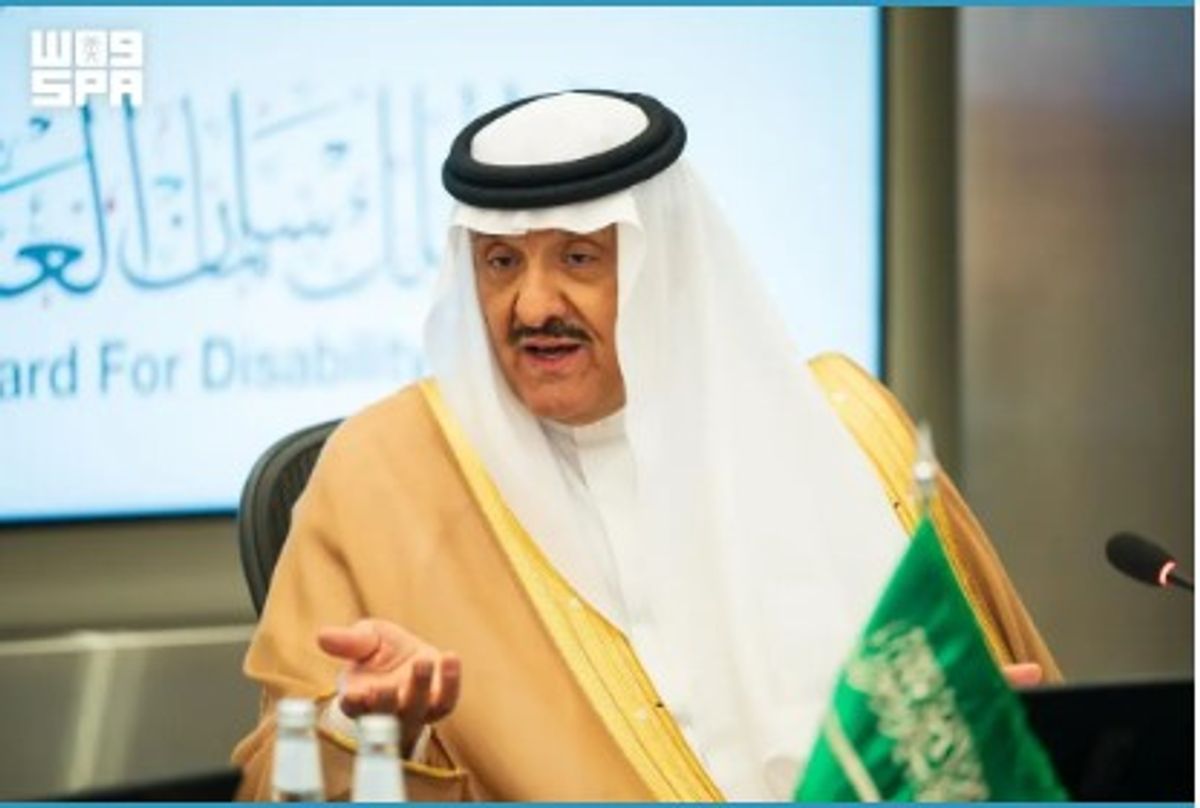
The Independent National Electoral Commission (INEC) has expressed concern over the significant disparity between women's participation as voters and their involvement as political leaders in Nigeria. INEC Chairman, Prof. Joash Amupitan, highlighted this issue during a recent meeting in Abuja with party leaders, female candidates, civil society organizations, development partners, and the media.
Amupitan emphasized that a democracy that encourages women to vote but does not provide adequate pathways for them to become political leaders has yet to achieve its full representative potential.
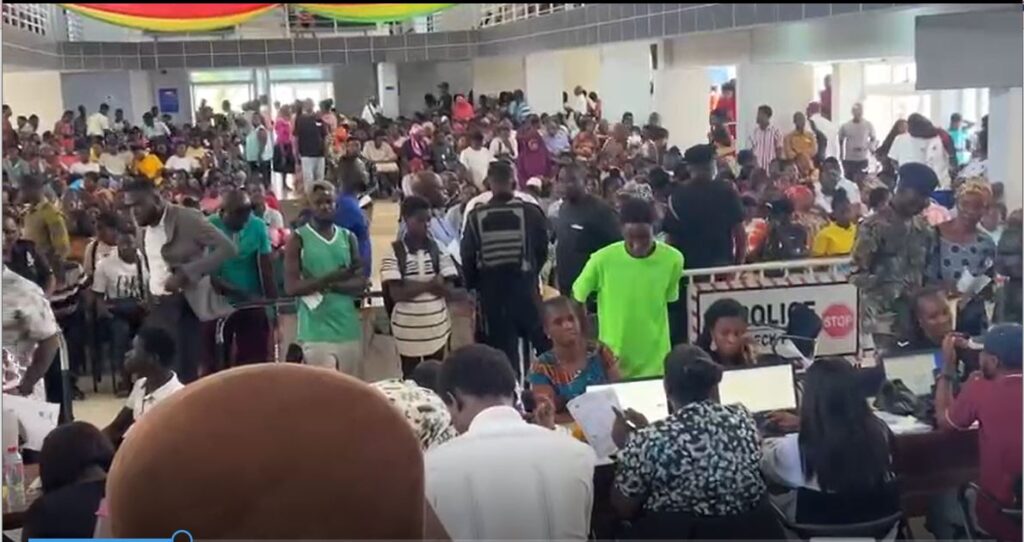
The INEC chairman stressed that although women constitute a substantial portion of Nigeria’s electorate, they remain underrepresented in political positions. According to INEC data, 44,414,846 women out of 93,469,008 registered voters in the 2023 general election, or 47.52%, participated as voters. Similarly, during the current voter registration process for the 2027 elections, women accounted for 52.68% of the 3,867,997 registrants as of July 26, 2026.
Despite this high voter turnout, only 1,556 of the 15,331 candidates in the 2023 election, representing 10.15%, were women, and only three women were elected to the Senate and 16 to the House of Representatives, accounting for 2.8% and 4.4% of the seats, respectively.
Amupitan called on political parties to provide practical support to female candidates, including access to party structures, leadership roles, campaign visibility, fundraising networks, mentoring, and logistical and security assistance. He emphasized that women's political participation is not a favor but a democratic imperative. Amupitan urged political parties to move from mere commitments to concrete actions to ensure a more inclusive and sustainable democracy in Nigeria.
Written by urgent.news from This Day's reporting — not their text. Machine-written — may contain errors; check the original before relying on it.